


Adolescence Books: Essential Reading for Teen Development
The teenage years represent a critical period of transformation, marked by rapid physical changes, emotional turbulence, and the quest for identity. During this pivotal phase, adolescence books serve as invaluable companions, offering guidance, validation, and practical strategies for navigating the complexities of growing up. These specialized resources bridge the gap between childhood dependence and adult independence, providing teenagers with tools to understand themselves, manage their emotions, and develop essential life skills. For parents, educators, and therapists seeking to support young people through this challenging transition, understanding the landscape of adolescence literature becomes paramount.
Understanding the Purpose of Adolescence Books
Adolescence books fulfill multiple critical functions in teen development. Unlike general fiction or academic texts, these specialized resources address the unique psychological, emotional, and social challenges that define the teenage experience. They provide frameworks for understanding rapid developmental changes while offering actionable strategies for managing stress, building relationships, and making informed decisions.
The best adolescence books recognize that teenagers are navigating unprecedented challenges in 2026. Digital connectivity, social media pressures, academic expectations, and global uncertainties create a complex environment requiring sophisticated coping mechanisms. These resources acknowledge teen agency and intelligence while providing age-appropriate guidance.
Categories of Developmental Support
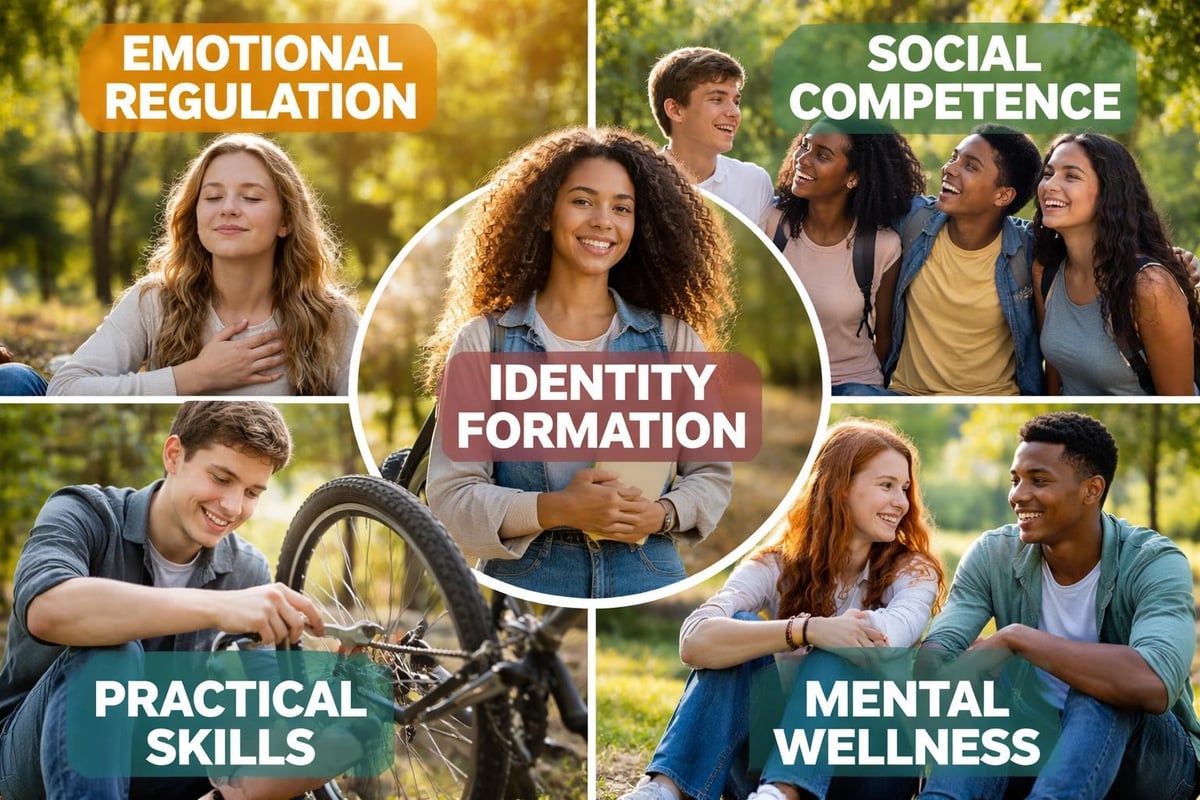
Different adolescence books target specific aspects of teen growth:
- Emotional regulation guides help teens identify, understand, and manage complex feelings
- Social skills resources provide frameworks for building healthy relationships and navigating peer dynamics
- Identity exploration materials support self-discovery and personal values clarification
- Practical life skills books cover financial literacy, time management, and decision-making
- Mental health resources address anxiety, depression, and stress management
- Physical development guides explain bodily changes and promote positive body image
Research in adolescent development, as explored in comprehensive texts on social development during adolescence, demonstrates that appropriate reading materials significantly impact how teenagers process their experiences and build resilience.
Selecting Age-Appropriate Adolescence Books
The adolescent period spans roughly from ages 11 to 19, encompassing early, middle, and late adolescence. Each phase requires different approaches and content depth. Early adolescents need concrete explanations and reassurance about physical changes, while older teens benefit from more nuanced discussions about relationships, future planning, and complex ethical questions.
When evaluating adolescence books for specific age groups, consider developmental readiness. A 12-year-old navigating puberty requires different resources than a 17-year-old preparing for college independence. The language, examples, and complexity should match cognitive development while respecting emotional maturity.
| Age Range | Primary Concerns | Appropriate Book Features | Example Topics |
|---|---|---|---|
| 11-13 years | Puberty, peer acceptance, self-consciousness | Simple language, visual aids, concrete examples | Body changes, friendship skills, basic emotion identification |
| 14-16 years | Identity, relationships, academic pressure | Nuanced discussions, real-life scenarios, practical tools | Self-esteem, healthy relationships, stress management |
| 17-19 years | Independence, future planning, values | Complex analysis, decision-making frameworks, long-term thinking | Financial literacy, career exploration, personal values |
The teen mental health resources available today reflect this developmental spectrum, offering tailored support for each phase of adolescence.
Evidence-Based Content in Adolescence Books
Quality adolescence books ground their guidance in psychological research and therapeutic best practices. Rather than relying on anecdotal advice or outdated assumptions about teenagers, effective resources incorporate findings from developmental psychology, neuroscience, and clinical practice. This evidence-based approach ensures that strategies actually work for the developing adolescent brain.
Cognitive-behavioral techniques, mindfulness practices, and social-emotional learning frameworks have demonstrated effectiveness in supporting teen well-being. Adolescence books that incorporate these methodologies provide practical exercises, reflection prompts, and step-by-step processes teens can apply independently.
Key Research-Backed Approaches
Effective adolescence books integrate multiple therapeutic modalities:
- Cognitive restructuring helps teens identify and challenge negative thought patterns
- Behavioral activation encourages engagement in positive activities to improve mood
- Mindfulness training builds present-moment awareness and reduces anxiety
- Social skills training provides specific techniques for communication and conflict resolution
- Problem-solving frameworks teach systematic approaches to challenges
- Values clarification supports authentic identity development
Publications from research institutions, such as those from Stanford's Center on Adolescence, demonstrate how academic insights can be translated into accessible resources for teenagers and those who support them.
Addressing Emotional Intelligence Through Reading
Emotional intelligence represents one of the most critical competencies adolescence books can develop. During the teenage years, the brain's emotional centers mature faster than the prefrontal cortex responsible for rational decision-making. This neurological reality explains many characteristic adolescent behaviors and underscores the importance of explicit emotional skill development.
Adolescence books focused on emotional intelligence teach teenagers to recognize emotional triggers, understand the connection between thoughts and feelings, and develop healthy expression strategies. These skills prove essential for mental health, academic success, and relationship quality throughout life.
The confidence and social skills resources designed specifically for teens address this critical developmental need through structured exercises and reflection activities.
Components of Emotional Learning
Comprehensive emotional development requires multiple skill areas:
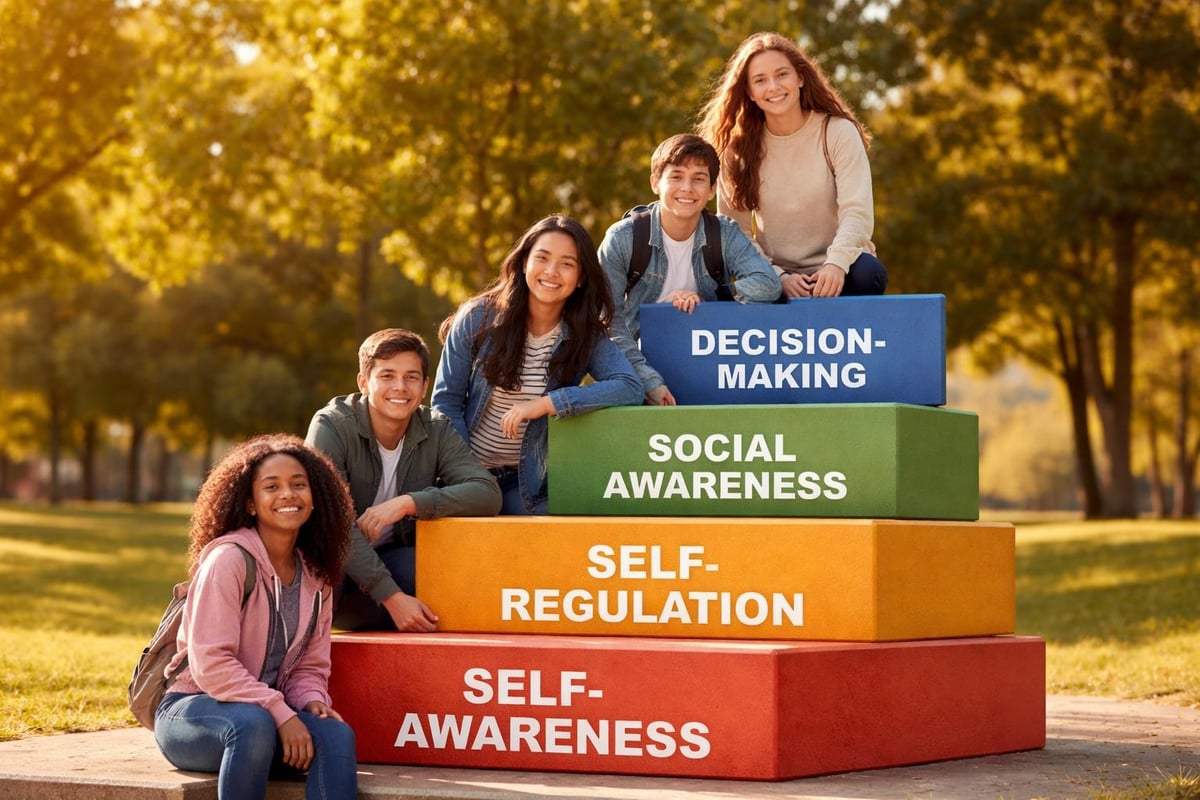
- Self-awareness: Recognizing one's own emotions, strengths, and limitations
- Self-regulation: Managing emotional reactions and impulses appropriately
- Social awareness: Understanding others' perspectives and emotions
- Relationship skills: Communicating effectively and building healthy connections
- Responsible decision-making: Considering consequences and making ethical choices
Books addressing these competencies provide scenarios, journaling prompts, and practical strategies that translate abstract concepts into daily application. The most effective resources avoid lecturing, instead engaging teens as active participants in their own development.
Building Life Skills Through Targeted Reading
Beyond emotional development, adolescence books serve as practical guides for essential life skills often overlooked in traditional education. Financial literacy, time management, household management, and career planning require explicit instruction that many families struggle to provide consistently. Quality resources fill these gaps with age-appropriate content and actionable steps.
Teenagers benefit enormously from learning these practical competencies during adolescence when they can immediately apply new knowledge. A 16-year-old who understands budgeting can manage their first job income responsibly. A 14-year-old with time management skills can balance academics, activities, and social life more effectively.
The comprehensive approach found in books on self-improvement for teenagers integrates practical skills with personal development, recognizing that competence builds confidence.
Essential Life Competencies
Practical adolescence books should address these critical areas:
| Skill Category | Specific Competencies | Real-World Applications |
|---|---|---|
| Financial Literacy | Budgeting, saving, basic investing, understanding credit | Managing allowance, first job earnings, preparing for financial independence |
| Time Management | Prioritization, scheduling, goal-setting, avoiding procrastination | Balancing homework, activities, social time, and rest |
| Communication | Active listening, assertiveness, conflict resolution, professional communication | Family discussions, peer relationships, job interviews |
| Self-Care | Sleep hygiene, nutrition basics, exercise, stress management | Maintaining physical and mental health during demanding periods |
| Digital Citizenship | Online safety, information evaluation, healthy tech boundaries | Navigating social media, protecting privacy, managing screen time |
Resources that combine instruction with practice opportunities create lasting skill development. Interactive workbooks, reflection exercises, and real-life challenges allow teenagers to build competence progressively.
The Role of Parents and Educators
While adolescence books provide valuable content, adult guidance maximizes their impact. Parents and educators who engage with these resources alongside teenagers create opportunities for meaningful conversations about challenging topics. This collaborative approach demonstrates adult support while respecting teen autonomy.
The Adolescence and Society book series recognizes that effective adolescent support requires educating the adults in teens' lives alongside the teenagers themselves. This dual-audience approach creates shared language and understanding.
Strategies for Adult Facilitation
Adults can enhance the effectiveness of adolescence books through several approaches:
- Read together or separately, then discuss: Create regular opportunities to explore content and share reactions
- Respect privacy while staying engaged: Allow teens to choose what they share while expressing genuine interest
- Model vulnerability: Share your own growth experiences and challenges appropriately
- Ask open-ended questions: Encourage reflection rather than interrogation
- Provide resources without pressure: Make books available but avoid forcing engagement
- Connect content to current situations: Help teens apply concepts to real-life challenges
Resources designed for professional use, such as those found in educational libraries on child development, provide adults with theoretical frameworks that inform how they support adolescent growth.
Specialized Topics in Adolescence Literature
Beyond general development guides, adolescence books address specific challenges many teenagers face. Mental health conditions, family transitions, identity questions, trauma recovery, and learning differences require specialized resources that provide both information and coping strategies.
These targeted books validate teen experiences while offering hope and practical support. A teenager struggling with anxiety finds reassurance in learning about the condition's neurobiology and evidence-based management techniques. An adolescent questioning their identity benefits from resources affirming their journey while providing guidance for self-discovery.
The emotional regulation toolkit exemplifies this specialized approach, offering focused support for one of adolescence's most challenging aspects.
Addressing Specific Challenges
Specialized adolescence books cover critical topics including:
- Mental health conditions: Anxiety, depression, ADHD, eating disorders, OCD
- Family changes: Divorce, blended families, parental illness, loss and grief
- Identity development: Gender identity, sexual orientation, cultural identity, values formation
- Social challenges: Bullying, social anxiety, peer pressure, relationship violence
- Academic stress: Test anxiety, perfectionism, learning differences, school transitions
- Physical health: Chronic conditions, disabilities, body image, nutrition and fitness
Quality specialized resources balance accurate information with hope, emphasizing that challenges can be managed and support is available. They connect teens with professional help when needed while offering immediate coping strategies.

Cultural Sensitivity and Inclusivity
Effective adolescence books in 2026 recognize the diversity of teenage experiences across cultures, identities, and circumstances. Generic advice fails to resonate when it doesn't reflect teens' lived realities. Inclusive resources feature diverse characters, acknowledge various family structures, and address systemic challenges affecting marginalized youth.
Cultural sensitivity extends beyond representation to include culturally-responsive strategies. What works for emotion regulation in one cultural context may differ in another. Adolescence books that acknowledge these nuances while identifying universal developmental needs serve broader audiences effectively.
Curated selections like those featured on platforms reviewing adolescence literature highlight diverse voices and perspectives, helping parents and educators select resources matching their teens' backgrounds and experiences.
Elements of Inclusive Resources
Culturally-responsive adolescence books demonstrate several characteristics:
- Diverse representation in examples, scenarios, and illustrations
- Acknowledgment of systemic barriers and inequities affecting teen development
- Multiple pathways to similar outcomes, recognizing different cultural values
- Language accessibility for various reading levels and language backgrounds
- Sensitivity to socioeconomic differences in available resources
- Recognition of intersecting identities and experiences
Inclusivity also means addressing topics historically considered taboo but essential for healthy development. Comprehensive sexuality education, discussions of racism's psychological impact, and economic inequality's effects on teen stress all deserve age-appropriate exploration.
Digital Resources and Interactive Formats
While traditional print books remain valuable, adolescence books in 2026 increasingly include digital components and interactive elements. Apps, online workbooks, video content, and community forums extend learning beyond the page. These hybrid approaches match how contemporary teenagers engage with information while maintaining evidence-based content.
Interactive elements transform passive reading into active skill-building. Digital journals track progress over time, guided meditations provide immediate anxiety relief, and scenario-based decision tools allow teens to explore choices safely. These features increase engagement while deepening learning.
However, digital delivery requires careful consideration of screen time concerns and digital equity. The best adolescence books offer multiple format options, ensuring all teenagers can access critical developmental support regardless of device availability or screen time limitations.
Benefits of Multi-Format Approaches
Modern adolescence books leverage various delivery methods:
| Format | Strengths | Best Used For |
|---|---|---|
| Print books | Deep reading, no device needed, tangible progress | Extended learning, journaling, bedtime reading |
| E-books | Portability, adjustable text, search functions | On-the-go access, specific topic lookup, reading flexibility |
| Audiobooks | Accessibility, multitasking capability, engaging narration | Learning differences, commute time, auditory learners |
| Interactive apps | Immediate feedback, progress tracking, gamification | Skill practice, habit formation, daily engagement |
| Video content | Visual learning, demonstration, emotional connection | Complex concepts, modeling skills, supplementary content |
Resources from parenting education centers increasingly recommend multi-format approaches that meet families where they are while maintaining content quality.
Measuring Impact and Effectiveness
The value of adolescence books ultimately lies in their impact on teen well-being and development. Parents, educators, and therapists should evaluate resources based on observable outcomes rather than marketing claims. Does the teenager demonstrate improved emotional regulation? Are they applying decision-making frameworks to real situations? Has their confidence noticeably increased?
Effective adolescence books include built-in assessment tools allowing teens and adults to track progress. Pre- and post-reading self-assessments, skill checklists, and reflection prompts create awareness of growth. This feedback reinforces learning while building metacognitive skills essential for lifelong development.
Professional reviews, such as those found in library association publications, provide expert evaluation of adolescence books' accuracy, accessibility, and developmental appropriateness.
Indicators of Quality Resources
When selecting adolescence books, look for these markers of effectiveness:
- Evidence-based approaches: Clear grounding in research and therapeutic best practices
- Age-appropriate content: Language and concepts matching developmental stage
- Practical application: Exercises, prompts, and activities for immediate use
- Inclusive representation: Diverse perspectives and experiences reflected authentically
- Professional endorsements: Recommendations from educators, therapists, or child development specialists
- Positive user feedback: Reviews from teens, parents, and professionals noting real impact
- Clear organization: Logical structure supporting both sequential reading and topic-specific reference
- Engaging presentation: Format and tone that respect teen intelligence while maintaining accessibility
The comprehensive resources available through Emma Davis Books demonstrate these quality indicators, combining research-based content with practical application and engaging presentation designed specifically for teenage readers.
Creating a Personal Development Library
Rather than seeking a single perfect book, teenagers benefit from building a personal library of adolescence books addressing different developmental areas. This collection evolves with their changing needs, providing targeted support for current challenges while offering aspirational resources for future growth.
A well-rounded adolescence book collection might include emotional regulation guides, social skills resources, practical life skills books, identity exploration materials, and mental health support. This diversity ensures teenagers can access relevant guidance whenever specific needs arise.
Parents and educators can curate starter collections, then allow teenagers to expand their libraries based on emerging interests and challenges. This autonomy supports self-directed learning while ensuring access to quality resources.
Building a Developmental Collection
A comprehensive personal library for adolescent development includes:
- Foundation texts addressing overall adolescent development and self-understanding
- Emotional intelligence resources for recognizing and managing feelings
- Social competence guides for building healthy relationships
- Practical skill books covering finances, time management, and daily living
- Mental health resources for anxiety, stress, and mood management
- Identity exploration materials supporting self-discovery
- Future planning guides for education, career, and goal-setting
- Specialized resources addressing individual challenges or interests
Starting with comprehensive teen development collections provides a foundation that teenagers can customize based on their unique needs and growth trajectory.
The Long-Term Value of Adolescent Reading
The impact of adolescence books extends far beyond the teenage years. Skills and frameworks learned during adolescence become foundational for adult functioning. A teenager who develops emotional regulation skills through guided reading carries those competencies into college, career, and relationships. Someone who learns financial literacy at 15 avoids costly mistakes in their twenties.
Moreover, adolescence books model lifelong learning and self-improvement. Teenagers who experience the value of targeted reading for personal growth continue seeking resources throughout adulthood. This habit of self-directed development proves invaluable in navigating life's ongoing challenges and transitions.
The investment in quality adolescence books pays dividends across the lifespan, making these resources among the most cost-effective interventions for supporting healthy development. Parents, educators, and therapists who prioritize providing access to excellent adolescent literature contribute to long-term well-being and success.
Lifelong Skills Developed Through Adolescence Books
Reading for personal development during teenage years builds these enduring competencies:
- Self-awareness and continued personal growth orientation
- Emotional intelligence and relationship skills applicable across contexts
- Problem-solving frameworks transferable to diverse challenges
- Critical thinking about personal choices and values
- Resilience and stress management strategies
- Communication skills for personal and professional settings
- Financial literacy and practical life management
- Goal-setting and future planning capabilities
These skills compound over time, creating increasing returns on the initial investment in adolescence books and the time spent engaging with them meaningfully.
Supporting Different Learning Preferences
Teenagers demonstrate varied learning styles and preferences requiring different approaches to content delivery. Some absorb information best through reading narrative examples, while others prefer structured workbooks with clear exercises. Visual learners benefit from diagrams and illustrations, while kinesthetic learners need hands-on activities.
Quality adolescence books recognize this diversity by incorporating multiple teaching modalities within single resources or through complementary materials. A book addressing anxiety might include explanatory text, personal stories, visual diagrams of anxiety's physical effects, breathing exercises, and journaling prompts. This multi-modal approach ensures broader accessibility and deeper learning.
Resources like the puberty and physical development guides exemplify this inclusive approach, recognizing that sensitive topics require multiple entry points for different learning preferences and comfort levels.
Matching Resources to Learning Styles
Consider these approaches when selecting adolescence books for different learners:
- Visual learners: Books with diagrams, charts, illustrations, and graphic organizers
- Auditory learners: Resources available as audiobooks or with companion audio content
- Reading/writing learners: Text-heavy books with extensive journaling and reflection prompts
- Kinesthetic learners: Interactive workbooks with hands-on activities and real-world applications
- Social learners: Resources designed for group discussion or parent-teen collaboration
- Solitary learners: Self-guided materials allowing independent exploration and reflection
Understanding your teenager's learning preferences helps select adolescence books they'll actually engage with rather than abandon after the first chapter. The goal is matching excellent content with effective delivery for each individual.
Professional Use of Adolescence Books
Therapists, counselors, educators, and youth workers increasingly incorporate adolescence books into their professional practice. These resources serve as bibliotherapy tools, curriculum materials, discussion starters, and homework assignments. The structured content and evidence-based approaches complement professional interventions while providing tangible resources clients can reference independently.
In therapeutic settings, adolescence books extend session impact by giving teenagers tools they can apply between appointments. A therapist teaching cognitive-behavioral techniques might assign relevant chapters, then discuss application during sessions. School counselors use these resources in group settings to facilitate peer discussion and skill-building.
The professional-grade quality of materials from providers specializing in teen emotional and mental health resources ensures they meet clinical and educational standards while remaining accessible to teenage readers.
Professional Applications
Adolescence books support various professional contexts:
- Individual therapy: Supplementing sessions with structured content and between-session practice
- Group counseling: Providing common frameworks and discussion materials
- Classroom guidance: Supporting social-emotional learning curricula
- Parent education: Giving families tools to support teen development at home
- Youth programming: Structuring activities and discussions in after-school or community settings
- Crisis intervention: Offering immediate coping strategies while arranging ongoing support
Professionals value adolescence books that balance theoretical grounding with practical application, ensuring interventions translate from clinical settings to daily teen life.
Adolescence books represent powerful tools for supporting healthy teen development across emotional, social, and practical domains. By providing age-appropriate, evidence-based guidance, these resources help teenagers build confidence, manage challenges, and develop essential life skills. Whether you're a parent seeking to support your teen's growth, an educator building student resilience, or a therapist complementing clinical work, quality adolescence literature offers accessible, effective intervention. Emmadavisbooks.com specializes in creating exactly these types of resources, offering comprehensive guides and toolkits designed by experts to help teenagers navigate adolescence with strength and resilience. Explore their collection of targeted materials to find the perfect resources for the teens in your life.