


Top 7 Best Books on Resilience to Read in 2026
In 2026, resilience has become a vital skill as individuals and communities continue to face complex global and personal challenges. Adapting to rapid change and uncertainty is now a part of everyday life, making the search for practical guidance more important than ever.
This article explores the best books on resilience, offering readers a selection of resources designed to strengthen coping skills and foster lasting growth. Our curated list blends science, real-life stories, and actionable strategies so you can build resilience in a practical way.
Whether you are looking for expert insights or step-by-step toolkits, these books will inspire and equip you for whatever lies ahead. Begin your journey toward greater resilience by discovering these transformative reads.
The Importance of Resilience in Today’s World
Resilience is more than just bouncing back from difficult experiences. In psychological terms, resilience is the ability to adapt well in the face of adversity, trauma, or stress. Practically, it means navigating challenges with flexibility and strength, finding ways to cope, and continuing to move forward. The best books on resilience often highlight that this trait is not innate but can be cultivated over time, giving everyone the opportunity to build a more robust foundation for handling life's uncertainties.
In 2026, resilience has become a vital skill for individuals and communities alike. With rapid changes in technology, ongoing economic uncertainty, and global disruptions, the need for resilience has never been clearer. Societal stressors such as employment instability, the mental health crisis, and the pressure to adapt to new ways of living all demand higher levels of adaptability. Scientific research, including resources like the Resilience training overview, shows that resilience training leads to better stress management, improved emotional health, and even enhanced workplace performance. These findings reinforce why the best books on resilience are more relevant than ever.
The impact of resilience stretches across all areas of life. People who develop strong resilience skills tend to have better mental health, greater overall well-being, and higher levels of satisfaction in their relationships and careers. Communities that embrace resilience principles recover more quickly from setbacks and disasters. For example, schools that teach resilience see improved student outcomes, while workplaces that foster resilient mindsets report increased productivity and employee engagement. The best books on resilience provide real-life stories and actionable advice, making the science accessible and applicable to everyday challenges.
Key skills and mindsets associated with resilient people include optimism, emotional regulation, problem-solving, and a willingness to seek support. Common myths suggest resilience is a rare quality or something only certain people possess. In reality, resilience is a set of skills that anyone can learn and strengthen with practice. By challenging these misconceptions, readers can better appreciate the value of the best books on resilience and their potential to inspire growth, foster hope, and support lasting change in an unpredictable world.
How to Choose the Best Resilience Books
Selecting the best books on resilience can be transformative, but it requires thoughtful consideration. With so many options available, focusing on key criteria helps ensure you find resources that truly support your journey.
When evaluating the best books on resilience, consider these essential factors:
- Evidence-based content: Prioritize books grounded in scientific research or proven psychological principles.
- Practical application: Look for titles offering actionable exercises, toolkits, or step-by-step guides.
- Accessibility: Choose books written in clear, engaging language that suit your reading style.
- Diverse perspectives: Select resources that reflect a variety of backgrounds, cultures, and life experiences.
Representation matters. The best books on resilience should address different age groups, from children to adults, and speak to a variety of challenges. For example, those interested in teen-focused strategies can explore the Raising Resilient Teens Collection for resources tailored to adolescent resilience.
Balancing scientific rigor with storytelling ensures the best books on resilience are both informative and relatable. Books authored by psychologists, educators, or individuals with lived experience can provide unique authority and credibility. Always check for expert endorsements or professional reviews, as these signal high-quality content.
Many of the best books on resilience include workbooks, reflection prompts, or online toolkits. These practical elements help readers apply concepts directly to their lives. When browsing, scan for chapters or sections dedicated to actionable strategies.
Finally, consider your personal goals and current challenges. Are you seeking support for grief, professional stress, or parenting? Matching your needs with the specific focus of a book increases its impact. Reading reviews from people with similar backgrounds or circumstances can offer valuable insight into a book’s effectiveness.
A quick comparison table can help summarize what to look for:
| Evaluation Criteria | Why It Matters | Example Feature |
|---|---|---|
| Evidence-based | Ensures reliability | Research citations |
| Practical tools | Supports real-life change | Exercises, toolkits |
| Accessibility | Enhances engagement | Clear writing style |
| Representation | Increases relatability | Diverse authors/topics |
| Expert reviews | Confirms quality | Professional praise |
Choosing the best books on resilience is a personal process. By focusing on evidence, relevance, and representation, you are more likely to discover books that empower you to overcome adversity and thrive.
Top 7 Best Books on Resilience to Read in 2026
Exploring the best books on resilience can transform the way you approach adversity, growth, and well-being. In 2026, these seven titles stand out for their evidence-based insights, practical strategies, and diverse perspectives. Whether you are looking for neuroscience, personal stories, or actionable exercises, these books offer something for every reader seeking to strengthen their resilience.
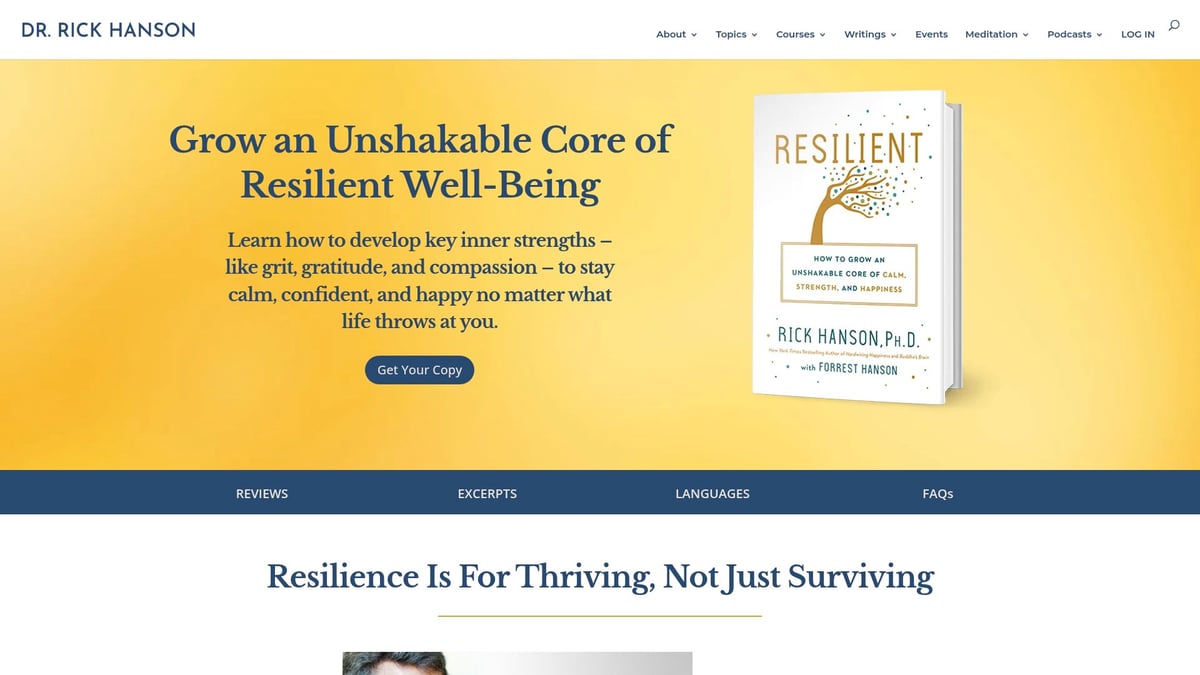
Resilient: How to Grow an Unshakable Core of Calm, Strength, and Happiness by Rick Hanson, PhD
Rick Hanson’s "Resilient" stands out among the best books on resilience for its neuroscience-based approach. Hanson, a psychologist and expert in mindfulness, explores how to hardwire lasting strength and positivity into your brain. The book blends scientific research with practical mindfulness techniques.
Key features include:
- Step-by-step exercises to develop calm, grit, and happiness
- Real-life examples that illustrate core concepts
- Mindfulness practices backed by research
Benefits of this book for readers:
- Builds inner strength and emotional balance
- Enhances stress management skills
- Offers actionable steps for personal growth
Who should read this book? Adults seeking practical, science-backed strategies to thrive in uncertain times. The clear language and hands-on exercises make it accessible, though it is less tailored to teens.
Pros:
- Evidence-based and easy to follow
- Actionable tools for daily life
Cons:
- May not address the unique needs of young readers
Endorsements: Praised by mental health professionals and readers for its clarity and effectiveness. Many consider it a cornerstone among the best books on resilience.
Option B: Facing Adversity, Building Resilience, and Finding Joy by Sheryl Sandberg & Adam Grant
"Option B" is a compelling blend of memoir and social science, earning its place among the best books on resilience. Sheryl Sandberg, with psychologist Adam Grant, shares her journey after loss, offering hope and guidance.

Key elements:
- Personal stories of overcoming adversity
- Research on post-traumatic growth
- Practical advice for navigating grief and setbacks
Unique features:
- Focus on building community and support networks
- Insights into finding meaning after hardship
Ideal for those coping with grief, trauma, or major life transitions, this book connects deeply through its honesty and relatability.
Pros:
- Inspiring narratives
- Actionable insights for individuals and communities
Cons:
- Some advice centers more on adults
Reception: Lauded by critics and readers, "Option B" is often cited as one of the best books on resilience for its balance of empathy and practical tools. Impact statistics show measurable benefits for readers facing adversity.
The Resilience Factor: 7 Keys to Finding Your Inner Strength and Overcoming Life’s Hurdles by Karen Reivich & Andrew Shatté, PhD
"The Resilience Factor" is a highly structured, research-driven guide that remains a classic among the best books on resilience. Reivich and Shatté, both psychologists, present a seven-skill framework for building resilience.
Key components:
- Self-assessment tools to identify strengths and weaknesses
- Exercises for optimism, problem-solving, and emotional regulation
- Real-world applications in personal and professional life
Benefits:
- Enhances ability to cope with stress and setbacks
- Provides a roadmap for sustained growth
Who is it for? Adults and older teens, especially those interested in a more academic yet practical approach. The book is widely used in educational and workplace settings.
Pros:
- Structured, evidence-based content
- Practical tools for immediate use
Cons:
- Academic tone may not engage all readers
Endorsements: Praised by educators and therapists, this book is recommended for anyone seeking the best books on resilience with a scientific foundation. For those interested in resilience training in professional settings, the Resilience interventions in medical students review highlights similar approaches to skill-building.
Raising Resilient Teens: A Practical Guide to Confidence, Coping Skills, and Emotional Strength by Emma Davis
Emma Davis’s guide is one of the best books on resilience for adolescents and their families. The book focuses on empowering teens with actionable strategies grounded in evidence-based therapies like DBT and CBT.

Highlights:
- Step-by-step toolkits for emotional regulation and coping
- Relatable scenarios tailored to teen experiences
- Guidance for parents, educators, and therapists
Key benefits:
- Boosts confidence and self-esteem
- Teaches practical coping skills for real-world challenges
- Strengthens communication between teens and adults
Audience: Ideal for teens, parents, educators, and mental health professionals looking for a user-friendly resource. The language is engaging and accessible for younger readers.
Pros:
- Teen-friendly tone
- Actionable tools used by professionals
Cons:
- Primarily geared toward adolescents
Reviews and Endorsements: Highly rated by parents and educators for its practical impact. For additional strategies, the companion guide Essential Life Skills for Teens expands on actionable life skills that reinforce resilience.
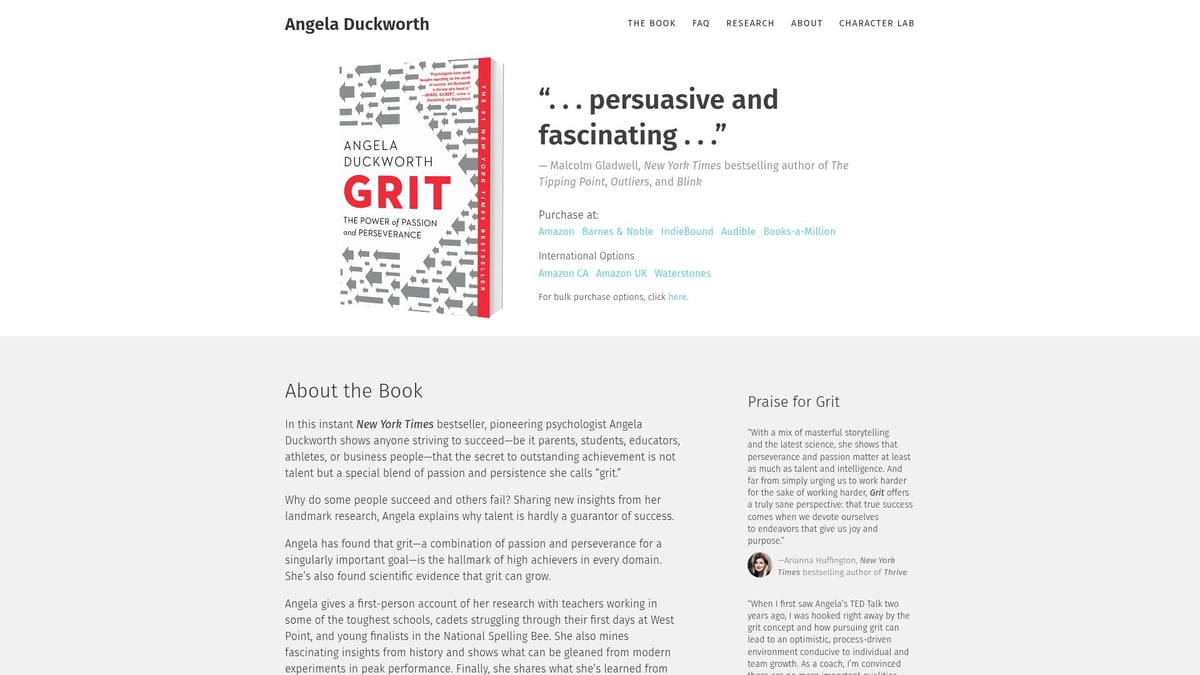
Grit: The Power of Passion and Perseverance by Angela Duckworth
Angela Duckworth’s "Grit" is widely cited among the best books on resilience for its focus on perseverance and sustained effort. Duckworth, a psychologist, unpacks the science behind why passion and persistence are crucial for long-term success.
Key features:
- Research findings on grit and achievement
- Case studies of high performers in diverse fields
- Self-assessment quizzes to measure personal grit
Unique selling points:
- Emphasizes growth mindset
- Encourages readers to embrace challenges
Ideal readers: Anyone seeking motivation to pursue long-term goals, from students to professionals.
Pros:
- Engaging storytelling
- Science-based, practical advice
Cons:
- Focuses more on achievement, less on emotional aspects of resilience
Critical acclaim: Recognized globally, "Grit" has inspired millions and is a staple among the best books on resilience for its actionable insights and motivating stories.
Building Resilience in Children and Teens: Giving Kids Roots and Wings by Kenneth R. Ginsburg, MD
Dr. Kenneth Ginsburg’s book is a must-read among the best books on resilience for parents, teachers, and youth mentors. It offers practical frameworks for nurturing resilience in young people.
Key aspects:
- Real-life stories illustrating resilience in action
- Actionable advice for fostering self-reliance and healthy coping
- Emphasis on emotional intelligence and strong family relationships
Benefits:
- Promotes long-term well-being in children and teens
- Equips caregivers with evidence-based tools
Target audience: Parents, educators, counselors, and anyone supporting youth development.
Pros:
- Accessible, family-focused guidance
- Used widely in schools and clinics
Cons:
- Less relevant for adults seeking self-help strategies
Usage: Endorsed by professional organizations and integrated into educational programs, it is often recommended as one of the best books on resilience for families and communities.
Man’s Search for Meaning by Viktor E. Frankl
Viktor Frankl’s classic memoir is a profound exploration of resilience in the face of unimaginable adversity. "Man’s Search for Meaning" is consistently ranked among the best books on resilience for its timeless wisdom.
Key features:
- Frankl’s personal account of surviving concentration camps
- Introduction to logotherapy and the pursuit of meaning
- Insights into hope, purpose, and human strength
Benefits:
- Offers philosophical and existential perspectives on resilience
- Encourages readers to find meaning in hardship
Audience: Readers seeking deep, reflective insight into what sustains us through suffering.
Pros:
- Timeless, universally applicable lessons
- Deeply moving and impactful
Cons:
- Heavy subject matter, less prescriptive guidance
Influence: Cited in resilience literature worldwide, it remains a touchstone for those exploring the best books on resilience.
Practical Tips for Applying Lessons from Resilience Books
Building resilience requires more than just reading the best books on resilience. To truly benefit, you must put the lessons into practice and make them part of your daily routine. Here are actionable strategies inspired by top titles to help you grow stronger, no matter the challenges you face.
Creating a Personalized Action Plan
Start by identifying which insights from the best books on resilience resonate most with your experiences. Reflect on your current challenges, then outline concrete steps to address them. Journaling is a proven tool for tracking emotions and progress. Set realistic, measurable goals, and break them into smaller, manageable tasks.
Use self-assessment exercises found in many resilience guides to pinpoint your strengths and growth areas. Regular reflection helps you adapt your plan and celebrate small wins. Remember, building resilience is a process, not a quick fix. Consistent effort is key to translating knowledge into meaningful change.
Building Support Networks and Daily Practice
Surround yourself with people who encourage and support your journey. Many lessons from the best books on resilience emphasize the power of community and open communication. Share your goals with trusted friends, family, or mentors, and seek feedback when you encounter obstacles.
Integrate resilience-building habits into your daily routine. Practice mindfulness, try new coping skills, and create regular check-ins to assess your emotional well-being. For teens and young adults, resources like Coping Skills for Teens Unleashed offer practical exercises that can be used individually or in group settings. These routines foster both accountability and growth.
Tracking Progress and Maintaining Motivation
Monitor your development by keeping a journal or using digital tools to record milestones. Celebrate each achievement, no matter how small, and use setbacks as learning opportunities. If motivation wanes, revisit the best books on resilience for inspiration or seek out stories of others who have overcome adversity.
Regularly updating your action plan keeps your journey dynamic and responsive to new challenges. With sustained effort and the right support, you will see lasting transformation in your resilience and overall well-being.
After exploring these powerful books and practical strategies for building resilience, you might be wondering how to put these lessons into action for yourself or the teens in your life. The journey to greater confidence, emotional strength, and adaptability starts with the right tools and support. If you’re ready to take the next step, you can begin developing these essential life skills today with a comprehensive, expertly designed toolkit. Together, we can empower the next generation to thrive, no matter what challenges come their way.
Start the Growth Pack