


Best Reads for Teenagers: Essential Books for Growth
Finding the best reads for teenagers means identifying books that do more than entertain. The right books can shape identity, build emotional resilience, and provide practical tools for navigating the complex journey of adolescence. Whether you're a parent, educator, or therapist seeking resources that genuinely support teen development, understanding which books offer real value makes all the difference. This guide explores categories, selection criteria, and specific recommendations that align with the developmental needs of today's teenagers, helping them build confidence and essential life skills through meaningful reading experiences.
Understanding What Makes Books Truly Valuable for Teens
The best reads for teenagers serve multiple purposes beyond simple entertainment. They act as mirrors reflecting teen experiences, windows into different perspectives, and sliding doors into possibilities for growth and change.
Effective teen literature addresses real challenges that young people face daily. Books covering topics like social anxiety, identity formation, peer pressure, and emotional regulation provide frameworks for understanding complex feelings. These narratives validate teen experiences while offering strategies and perspectives that build resilience.
Key Characteristics of Impactful Teen Reading
Quality books for this age group share several essential features:
- Authentic voice that respects teen intelligence and emotional complexity
- Relatable characters facing genuine developmental challenges
- Practical insights applicable to real-world situations
- Emotional depth that encourages reflection and growth
- Diverse perspectives representing various backgrounds and experiences
Research shows that teenagers who engage with thoughtfully selected literature develop stronger emotional intelligence and better coping mechanisms. The connection between reading and personal development becomes particularly powerful during adolescence, when identity formation reaches critical stages.
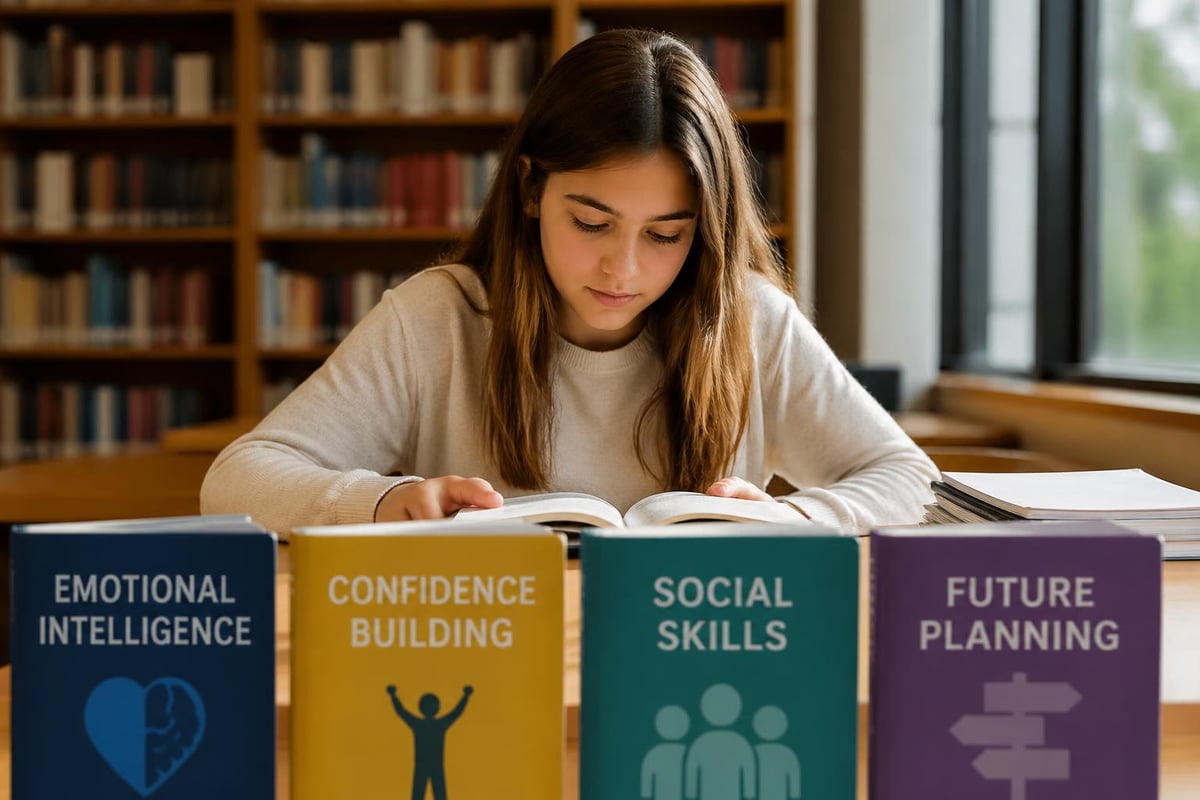
Self-Help and Personal Development Books That Build Real Skills
Self-help literature designed specifically for teenagers differs significantly from adult versions. The best reads for teenagers in this category acknowledge developmental stages while offering actionable strategies rather than abstract concepts.
Effective self-help books for teens focus on immediate, practical application. They break down complex skills into manageable steps, use language that resonates with teenage experiences, and provide exercises that fit into busy schedules. These resources become particularly valuable when they address the specific pressures teens face in 2026, including social media challenges, academic stress, and future uncertainty.
Categories Within Teen Self-Help Literature
| Category | Focus Areas | Primary Benefits |
|---|---|---|
| Emotional Regulation | Anxiety management, stress reduction, mood awareness | Better emotional control, reduced overwhelm |
| Social Skills | Communication, boundary setting, friendship building | Stronger relationships, improved confidence |
| Identity Development | Values clarification, self-discovery, authenticity | Clearer self-understanding, purposeful choices |
| Future Planning | Goal setting, decision making, life skills | Better preparation, reduced anxiety about the future |
Books focused on books on self-improvement provide teenagers with frameworks for understanding themselves and navigating challenges. When selecting materials in this category, prioritize resources backed by psychological research and written by experts in adolescent development.
The Confidence Social Skills Pack exemplifies how comprehensive toolkits can address multiple developmental areas simultaneously, offering structured approaches to building essential capabilities.
Fiction That Teaches Life Lessons
Narrative fiction remains one of the most powerful vehicles for teaching emotional intelligence and life skills. The best reads for teenagers in fiction categories blend compelling storytelling with themes that promote growth and self-awareness.
Contemporary realistic fiction offers teenagers the opportunity to explore challenging situations through character experiences. These stories create safe spaces for examining difficult emotions, ethical dilemmas, and complex social dynamics without personal risk. Readers develop empathy by experiencing perspectives different from their own while gaining insight into handling their own challenges.
Fantasy and science fiction genres provide unique advantages for teen development. These stories often explore themes of power, responsibility, identity, and moral choice within imaginative frameworks that reduce defensiveness. Teenagers can examine serious concepts through metaphorical distance, making it easier to apply lessons to their own lives.
Building Emotional Intelligence Through Story
According to research on book genres and their impact, different narrative styles influence how readers process and internalize information. Fiction creates emotional connections that make lessons more memorable than direct instruction.
Stories featuring characters who overcome obstacles, manage failures, and develop resilience provide models for teenage readers. These narratives demonstrate that growth comes through challenge, mistakes provide learning opportunities, and personal development is an ongoing process rather than a destination.
Curated lists like those found on Good Housekeeping's teen book recommendations offer starting points for discovering fiction that balances entertainment with meaningful content.
Books Addressing Specific Developmental Challenges
The teenage years bring distinct challenges that vary by developmental stage and individual circumstances. The best reads for teenagers often target specific areas where young people need support and guidance.
Social Anxiety and Confidence Building
Books addressing social confidence help teenagers understand that their struggles with peer interactions are common and manageable. These resources typically include:
- Cognitive strategies for managing anxious thoughts
- Practical techniques for starting conversations and building friendships
- Exercises for developing authentic self-expression
- Methods for setting healthy boundaries
Resources focused on best books on social skills provide targeted support for teens struggling with social interactions, offering evidence-based techniques presented in accessible formats.
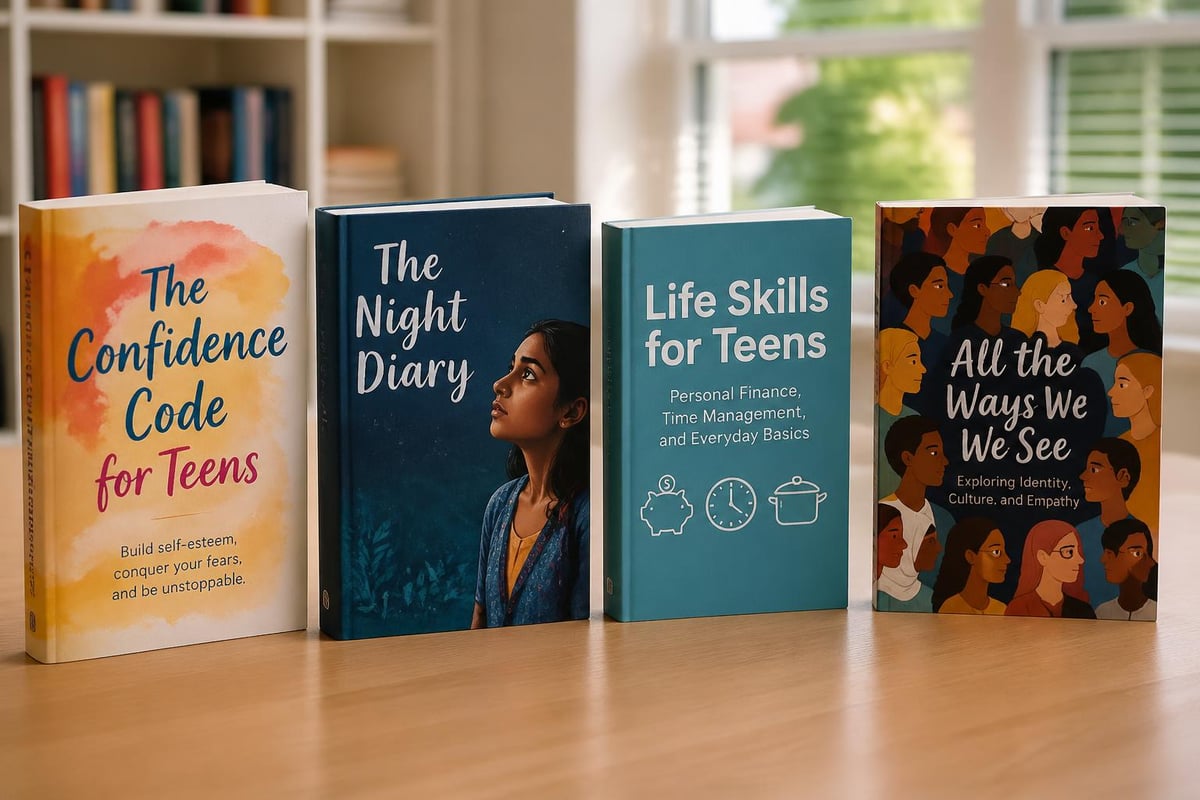
Emotional Health and Mental Wellness
Mental health awareness has grown significantly, making books that address anxiety, depression, and emotional regulation increasingly important. Quality resources in this area avoid oversimplification while remaining accessible to teen readers.
Effective mental health books for teenagers:
- Normalize emotional struggles without pathologizing normal developmental challenges
- Provide coping strategies grounded in therapeutic approaches like CBT or DBT
- Encourage professional help when appropriate while reducing stigma
- Build self-awareness through reflection exercises and journaling prompts
- Offer hope through recovery stories and evidence of growth potential
The connection between reading and mental health support becomes particularly valuable for teenagers who may not have access to therapy or who want to supplement professional support with self-directed learning.
Genre-Specific Recommendations for Different Interests
Matching books to individual interests increases engagement and maximizes developmental benefits. The best reads for teenagers span multiple genres, each offering unique advantages for personal growth.
Mystery and thriller genres develop critical thinking skills and analytical reasoning. These books engage problem-solving abilities while exploring themes of justice, truth, and moral complexity. Teenagers learn to evaluate evidence, consider multiple perspectives, and think through consequences.
Historical fiction provides context for understanding current social issues while building empathy across time and culture. These stories help teenagers recognize patterns in human behavior, understand how societies change, and develop appreciation for progress while acknowledging ongoing challenges.
Romance and Relationship Literature
Well-written romance novels for teens model healthy relationships, communication skills, and emotional boundaries. Quality books in this genre:
- Demonstrate consent and respect in relationships
- Show characters maintaining individual identity within partnerships
- Address relationship challenges realistically
- Model effective communication and conflict resolution
- Explore various types of love and connection
The diverse book selections available today ensure teenagers can find stories reflecting their own experiences while discovering perspectives different from their own.
Building a Personal Reading Journey
Creating a meaningful reading practice requires more than simply collecting titles. The best reads for teenagers become truly effective when integrated into a purposeful developmental plan.
Strategies for Selecting Appropriate Books
| Selection Criterion | Questions to Ask | Why It Matters |
|---|---|---|
| Developmental Fit | Does this match the reader's emotional maturity? | Ensures content is neither overwhelming nor condescending |
| Interest Alignment | Does the topic or genre appeal to the teen? | Increases engagement and completion rates |
| Skill Focus | What specific areas does this book develop? | Allows targeted growth in needed areas |
| Reading Level | Is the complexity appropriate for current abilities? | Builds confidence through achievable challenge |
Parents and educators should involve teenagers in the selection process rather than simply assigning books. This approach builds ownership, increases motivation, and develops the critical thinking skills necessary for evaluating resources independently.
According to The Happy Book Stack's organized reading lists, categorizing books by theme and interest helps teenagers discover materials aligned with their current needs and curiosities.
Creating Sustainable Reading Habits
The best reads for teenagers deliver maximum benefit when reading becomes a consistent practice rather than an occasional activity. Building sustainable habits requires:
- Designating specific reading time that fits naturally into daily routines
- Creating comfortable reading spaces free from digital distractions
- Setting realistic goals based on available time and reading speed
- Discussing books with peers, family, or reading groups
- Tracking progress through journals or reading logs
Reading journals enhance the developmental benefits of books by encouraging reflection and application. Teenagers who write about their reading experiences process information more deeply and identify connections to their own lives more readily.

Practical Skills and Real-World Preparation
The best reads for teenagers increasingly include materials focused on practical life skills that schools often overlook. Books covering financial literacy, career exploration, time management, and decision-making prepare teenagers for adult responsibilities.
Financial Literacy for Teens
Money management books designed for teenagers address:
- Budgeting basics and tracking expenses
- Saving strategies and goal-setting for purchases
- Understanding credit and avoiding debt traps
- Income generation through entrepreneurship or employment
- Investment fundamentals for building long-term wealth
These practical skills provide immediate value while establishing patterns that benefit teens throughout their lives. Resources that combine financial concepts with broader life planning help teenagers see how money management connects to their larger goals and values.
Career and Future Planning
Books addressing career exploration and future planning help reduce anxiety about post-secondary decisions. Quality resources in this area:
- Explore multiple pathways beyond traditional four-year college
- Help teenagers identify interests, strengths, and values
- Provide frameworks for setting meaningful goals
- Address practical concerns about education costs and career choices
- Encourage experimentation and exploration rather than premature commitment
The comprehensive approach found in resources like best books for teens ensures teenagers receive guidance across multiple developmental areas rather than fragmented advice.
Diverse Perspectives and Inclusive Literature
The best reads for teenagers include voices and experiences representing the full diversity of human experience. Exposure to varied perspectives builds empathy, challenges assumptions, and helps all teenagers see themselves reflected in literature.
Diversity in teen literature encompasses multiple dimensions including race, ethnicity, religion, socioeconomic background, family structure, ability status, gender identity, and sexual orientation. Books featuring authentic representations of diverse experiences help teenagers understand that there are many valid ways to be human.
For teenagers from marginalized communities, seeing their own experiences reflected in literature provides validation and reduces feelings of isolation. For teenagers from majority groups, diverse reading builds understanding and challenges stereotypes that lead to prejudice.
Evaluating Authenticity in Diverse Books
When selecting diverse literature, consider:
- Author background and connection to the experiences portrayed
- Reviewer feedback from members of represented communities
- Avoidance of stereotypes or "single story" narratives
- Complexity and nuance in character development
- Integration of diverse elements naturally rather than tokenistically
Resources like Feeding Trends' impactful book list often highlight titles that authentically represent various experiences while addressing universal themes of growth and development.
Integrating Reading with Other Developmental Resources
Books work most effectively when combined with other tools and experiences that support teenage development. The best reads for teenagers complement rather than replace other forms of learning and growth.
Comprehensive development programs integrate reading with activities, discussions, and practical exercises. This multi-modal approach accommodates different learning styles while reinforcing key concepts through varied experiences.
Parents and educators can enhance the impact of reading by:
- Facilitating discussions that help teenagers apply lessons to their lives
- Providing opportunities for practicing skills learned through books
- Connecting book concepts to real-world examples and current events
- Encouraging creative responses like art, writing, or projects inspired by reading
- Supporting teen-led book clubs or reading groups with peers
The toolkit approach used by Emmadavisbooks.com demonstrates how reading materials gain power when combined with structured activities, reflection prompts, and implementation strategies. These comprehensive resources acknowledge that reading provides knowledge, but application requires additional support and practice.
Digital vs. Physical Reading Experiences
While the format debate continues, research suggests that the best reading medium depends on individual preferences and specific contexts. Both physical books and digital formats offer advantages:
Physical books provide:
- Fewer distractions from notifications or other apps
- Tactile engagement that some readers find more satisfying
- Easier annotation and note-taking for some learners
- No screen time or battery concerns
Digital reading offers:
- Portability of entire libraries
- Adjustable text size and formatting
- Built-in dictionaries and note-taking tools
- Accessibility features for various learning needs
The key is finding the format that each teenager will actually use consistently rather than insisting on a particular medium based on abstract preferences.
Building Critical Evaluation Skills Through Reading
The best reads for teenagers not only provide information and stories but also teach teenagers to evaluate content critically. This skill becomes increasingly important in an era of information overload and varying content quality.
Teaching teenagers to assess reading materials develops broader critical thinking abilities applicable to all information sources. Key evaluation questions include:
- Who wrote this and what are their credentials or biases?
- What evidence supports the claims or advice presented?
- How does this information compare to other sources?
- What perspectives might be missing from this narrative?
- How applicable is this advice or information to my specific situation?
Books that model critical thinking, present multiple viewpoints, or encourage questioning help teenagers develop these analytical skills. Resources addressing real-world skills often emphasize independent thinking alongside practical knowledge.
Understanding Subjectivity in Reviews and Recommendations
Teenagers benefit from understanding that book recommendations reflect subjective preferences influenced by individual experiences and values. Research on subjectivity in book reviews demonstrates how personal perspectives shape evaluations of literary quality.
This understanding helps teenagers:
- Seek diverse opinions rather than relying on single sources
- Recognize their own preferences and reading style
- Distinguish personal taste from objective quality
- Make informed choices about which recommendations to follow
Developing these discernment skills prepares teenagers for navigating recommendations in all areas of life, from products to political information.
Supporting Reluctant Readers
Not all teenagers embrace reading enthusiastically, yet these reluctant readers still need the developmental benefits that books provide. The best reads for teenagers who resist reading often differ from those that appeal to avid readers.
Strategies for engaging reluctant readers include:
- Starting with shorter books or graphic novels that provide quick wins
- Choosing topics aligned with existing hobbies or interests
- Allowing audiobook options that reduce barriers
- Reducing pressure by eliminating forced book reports or discussions
- Modeling reading behavior rather than simply mandating it
Graphic novels and illustrated books deserve particular attention for reluctant readers. These formats combine visual and textual literacy, often addressing sophisticated themes while remaining accessible. The misconception that graphic novels are less valuable than traditional text-only books prevents many teenagers from accessing stories that could engage them.
Audiobooks as Gateway to Literary Engagement
Audiobooks provide legitimate reading experiences that develop comprehension, vocabulary, and engagement with complex narratives. For teenagers with learning differences, attention challenges, or simply busy schedules, audiobooks remove barriers to accessing valuable content.
The best reads for teenagers increasingly include audio versions that professional narrators bring to life through skilled performance. These productions can make challenging classics more accessible while introducing teenagers to storytelling techniques that enhance appreciation for narrative structure.
Creating Community Around Reading
Reading becomes more impactful when it connects teenagers with communities of fellow readers. Book clubs, online forums, and reading challenges provide social contexts that enhance individual reading experiences.
Benefits of reading communities include:
- Exposure to books outside individual comfort zones
- Deeper processing through discussion and debate
- Social motivation to complete books and maintain reading habits
- Development of communication and critical thinking skills
- Reduced isolation for teenagers feeling alone in their experiences
Parents and educators can facilitate these communities by organizing school or community book clubs, connecting teenagers with online reading communities appropriate for their age, or simply creating family reading time where everyone reads individually but shares space.
Genre-specific lists like those available through library resources help reading groups select books that match collective interests while ensuring everyone has access to the same material.
Measuring Progress and Growth
The impact of reading extends beyond immediate enjoyment to long-term developmental outcomes. Parents, educators, and teenagers themselves benefit from tracking how reading contributes to personal growth over time.
Rather than focusing solely on quantity (number of books completed), meaningful assessment considers:
- Application of skills or strategies learned through reading
- Changes in emotional awareness or regulation
- Expanded perspective or increased empathy
- Improved communication or relationship skills
- Progress toward specific developmental goals
Reflection journals where teenagers record insights, questions, and applications create records of growth while deepening engagement with reading material. These journals need not be formal or lengthy; even brief notes about key takeaways or personal reactions provide value.
Long-Term Benefits of Teen Reading Habits
Research consistently demonstrates that teenagers who read regularly develop advantages that extend far beyond adolescence:
| Benefit Area | Specific Outcomes | Long-Term Impact |
|---|---|---|
| Academic | Improved vocabulary, comprehension, writing skills | Better educational and career opportunities |
| Emotional | Enhanced emotional intelligence, empathy, self-awareness | Stronger relationships, better mental health |
| Cognitive | Critical thinking, analytical reasoning, creativity | Superior problem-solving throughout life |
| Social | Understanding diverse perspectives, communication skills | More effective leadership and collaboration |
These benefits compound over time, making the reading habits developed during teenage years some of the most valuable investments in long-term success and wellbeing. The best reads for teenagers plant seeds that grow throughout their lives, shaping how they think, feel, and engage with the world.
Selecting the best reads for teenagers requires understanding how books serve developmental needs beyond entertainment, matching content to individual interests and challenges, and creating supportive contexts that maximize reading's impact. Whether you're seeking resources to build emotional intelligence, develop practical skills, or simply engage reluctant readers, the right books combined with thoughtful implementation create powerful opportunities for growth. Emmadavisbooks.com offers comprehensive toolkits and guides specifically designed to help teenagers build confidence, manage emotions, and develop essential life skills through evidence-based strategies that complement meaningful reading experiences.