


8 Must-Read Books About Mental Illness in 2026
Mental health challenges are more visible than ever, affecting individuals and communities worldwide. As society seeks greater understanding, books about mental illness have become powerful tools to spark empathy, break stigma, and inspire change.
This article presents eight must-read books about mental illness for 2026, each chosen for its distinct voice, insight, and ability to foster hope. From deeply personal memoirs to investigative narratives, these selections offer diverse perspectives on navigating mental health.
Explore this curated list to discover why each title matters and how literature can fuel crucial conversations about mental well-being.
Why Books About Mental Illness Matter
Books about mental illness have become essential tools for understanding, compassion, and change. As mental health challenges affect millions worldwide, literature provides a window into experiences that might otherwise remain unseen or misunderstood.
Breaking the Silence: The Role of Literature
Books about mental illness have a unique ability to break through silence and stigma. By sharing personal stories, memoirs, and fictional narratives, these books foster empathy and understanding among readers from all walks of life.
According to Mental Health Statistics 2025, 1 in 5 adults in the United States experiences mental illness each year. This staggering figure highlights the importance of making mental health conversations mainstream. Books about mental illness serve as bridges, helping readers grasp the complexities of diagnoses, emotions, and daily struggles.
Memoirs often spark national conversations and challenge stereotypes. Novels, too, can illustrate the nuances of living with mental illness. For example, stories featuring characters from marginalized communities provide much-needed representation, empowering readers who rarely see themselves reflected in literature.
Mental health professionals agree that storytelling holds therapeutic power. Reading about others’ journeys can reduce isolation and encourage help-seeking behaviors. The growing presence of books about mental illness on bestseller lists and in reading groups demonstrates their widespread impact.
A quick comparison of impact:
| Impact Area | Example |
|---|---|
| Destigmatization | Memoirs like "Strangers to Ourselves" |
| Representation | Stories by BIPOC and LGBTQ+ authors |
| Community Dialogue | Book clubs discussing mental health |
The ongoing popularity of these books shows their crucial role in building empathy and awareness.
Trends in Mental Health Literature for 2026
The landscape of books about mental illness is rapidly evolving. In 2026, several key trends are shaping the genre and expanding its reach to new audiences.
Emerging themes include intersectionality, neurodiversity, and trauma-informed narratives. Authors are increasingly exploring how race, gender, and sexuality intersect with mental health experiences. This shift brings more authentic and varied stories to the forefront, especially from BIPOC, LGBTQ+, and global communities.
A notable trend is the blending of science, memoir, and self-help in new releases. Readers now seek both personal stories and actionable insights in books about mental illness. The influence of social media and book influencers cannot be understated, as these platforms amplify new voices and help books gain traction quickly.
Anticipated releases for 2026 continue to build on the foundation of classic works, ensuring that both new and time-tested books about mental illness remain relevant. The table below summarizes current trends:
| Trend | Description |
|---|---|
| Intersectionality | Diverse identities in mental health stories |
| Neurodiversity | Focus on ADHD, autism, and other conditions |
| Science/Memoir Integration | Blending research with lived experience |
| Social Media Influence | BookTok, Instagram driving discovery |
These developments ensure that books about mental illness continue to broaden understanding, foster dialogue, and inspire hope for the future.
8 Must-Read Books About Mental Illness in 2026
Exploring books about mental illness can open doors to understanding, empathy, and hope. In 2026, a diverse range of authors and stories continue to shape how we view mental health. Each title below offers a unique window into the lived experiences, challenges, and triumphs of those facing mental health conditions.
Whether you are new to the topic or a long-time advocate, these recommended reads promise to enrich your perspective and spark important conversations.
Strangers to Ourselves by Rachel Aviv
Rachel Aviv’s "Strangers to Ourselves" is an investigative narrative that blends memoir with case studies. Aviv draws from her own childhood experience in a psychiatric ward, as well as the stories of others from vastly different backgrounds. This book asks thought-provoking questions about how diagnoses shape identity and self-perception.
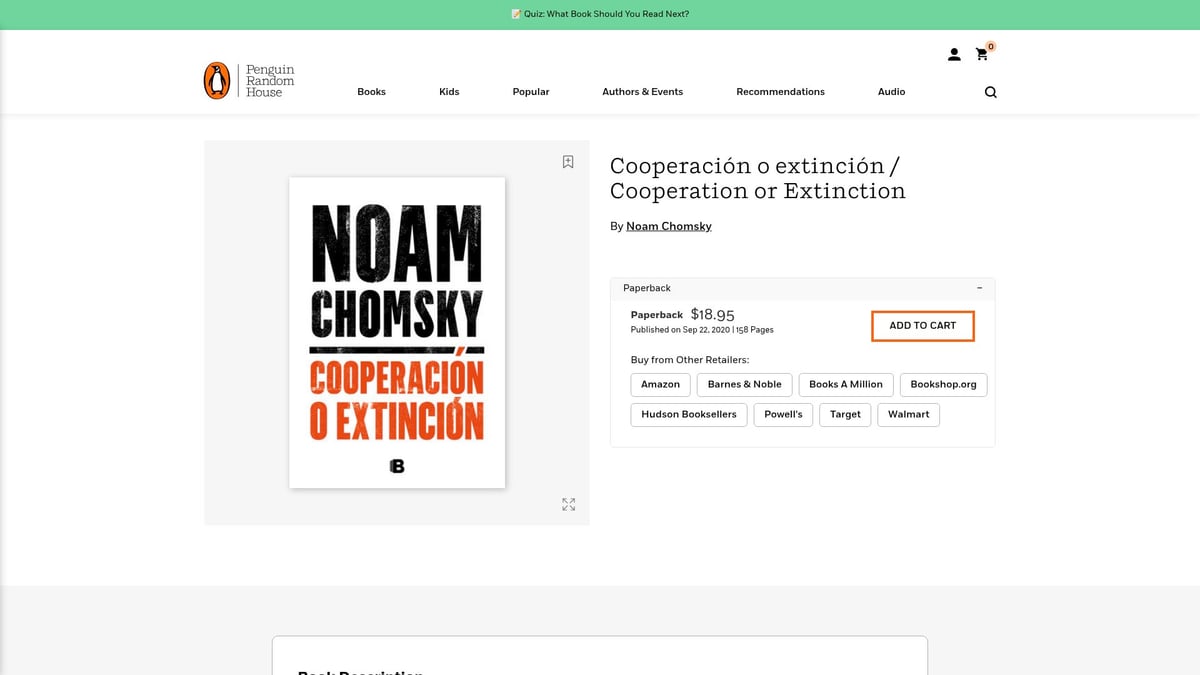
By weaving together personal stories and research, Aviv shows how cultural, social, and systemic factors influence mental health journeys. The book challenges readers to reconsider what it means to live with a mental illness and how labels can both help and harm.
"Strangers to Ourselves" has been widely praised for its nuanced portrayal of mental health systems. It won several literary awards and was frequently cited in 2025 mental health discussions. Readers looking for books about mental illness that combine storytelling and research will find this title compelling.
Aviv’s sensitive exploration of identity, stigma, and recovery makes this an essential read for anyone seeking a deeper understanding of mental health.
I Want to Die but I Want to Eat Tteokbokki by Baek Sehee
This international bestseller by Baek Sehee offers a candid, relatable look at depression and therapy. Structured around therapy session transcripts and Sehee’s personal reflections, the book resonates with younger readers and those new to mental health conversations.
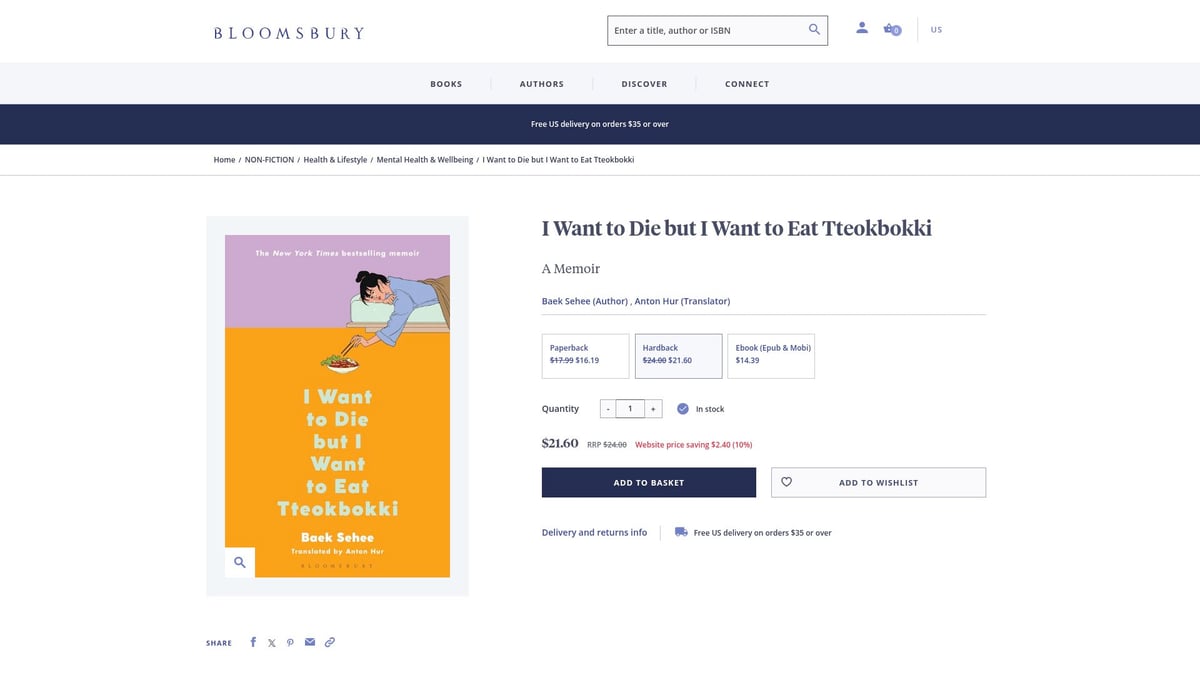
Sehee’s honest writing style makes complex emotions accessible. She discusses self-doubt, anxiety, and the gradual path to healing, providing insights into the everyday realities of living with depression. The book also highlights cultural differences, particularly how mental illness is discussed in South Korea compared to Western countries.
Praised for its accessibility, "I Want to Die but I Want to Eat Tteokbokki" is ideal for those seeking books about mental illness that feel like a conversation with a trusted friend. It’s especially helpful for readers who may feel isolated or misunderstood.
Sehee’s journey encourages readers to seek support and embrace vulnerability, making this title a valuable resource for anyone beginning their mental health journey.
The Center Cannot Hold by Elyn R. Saks
Elyn R. Saks’ memoir "The Center Cannot Hold" tells the story of her life as a law professor living with schizophrenia. Saks details her experiences with psychosis, treatment, and ultimately, academic and professional achievement.
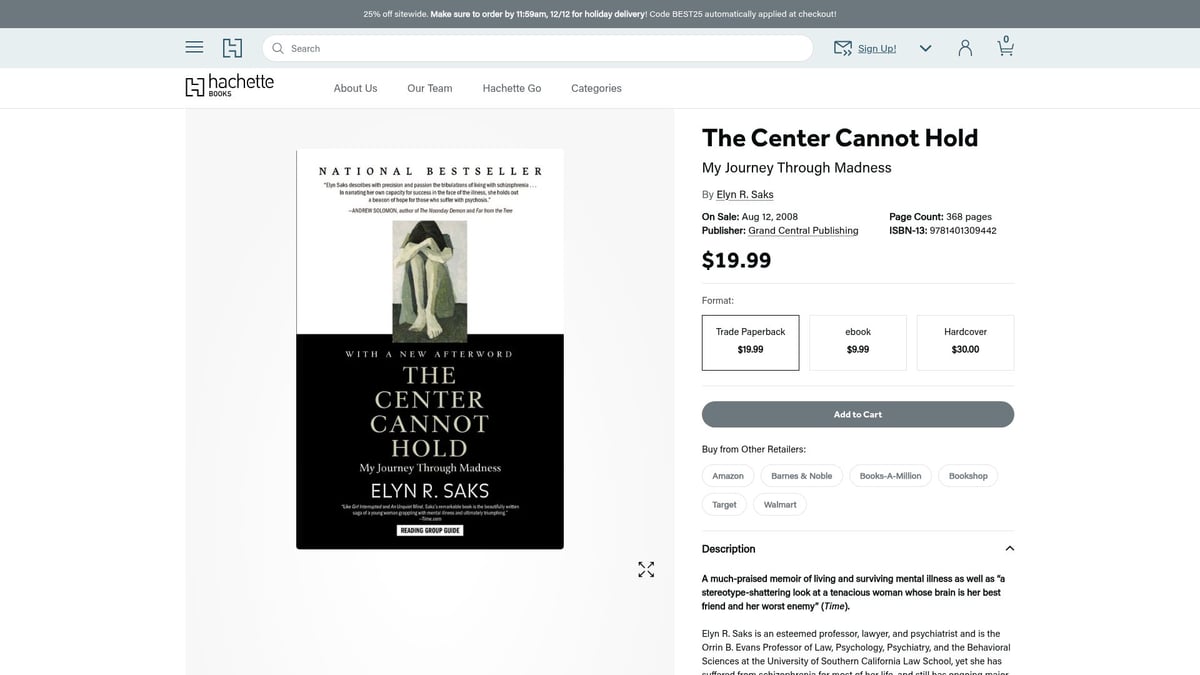
Her account challenges many misconceptions about severe mental illness. Saks emphasizes the importance of autonomy and patient rights, sharing her advocacy work alongside her personal journey. The memoir is used in university courses on psychology and law, reflecting its impact beyond general readership.
Saks’ story is one of resilience and determination. She received several mental health advocacy awards for her contributions to destigmatizing schizophrenia. Readers seeking books about mental illness that highlight overcoming adversity and the power of self-advocacy will find inspiration in her words.
This memoir is essential for anyone interested in learning how individuals living with mental illness can lead fulfilling, successful lives.
Furiously Happy by Jenny Lawson
"Furiously Happy" by Jenny Lawson offers a humorous and heartfelt exploration of living with anxiety and depression. Lawson uses comedy to break down stigma, inviting readers to find joy and laughter even in difficult moments.
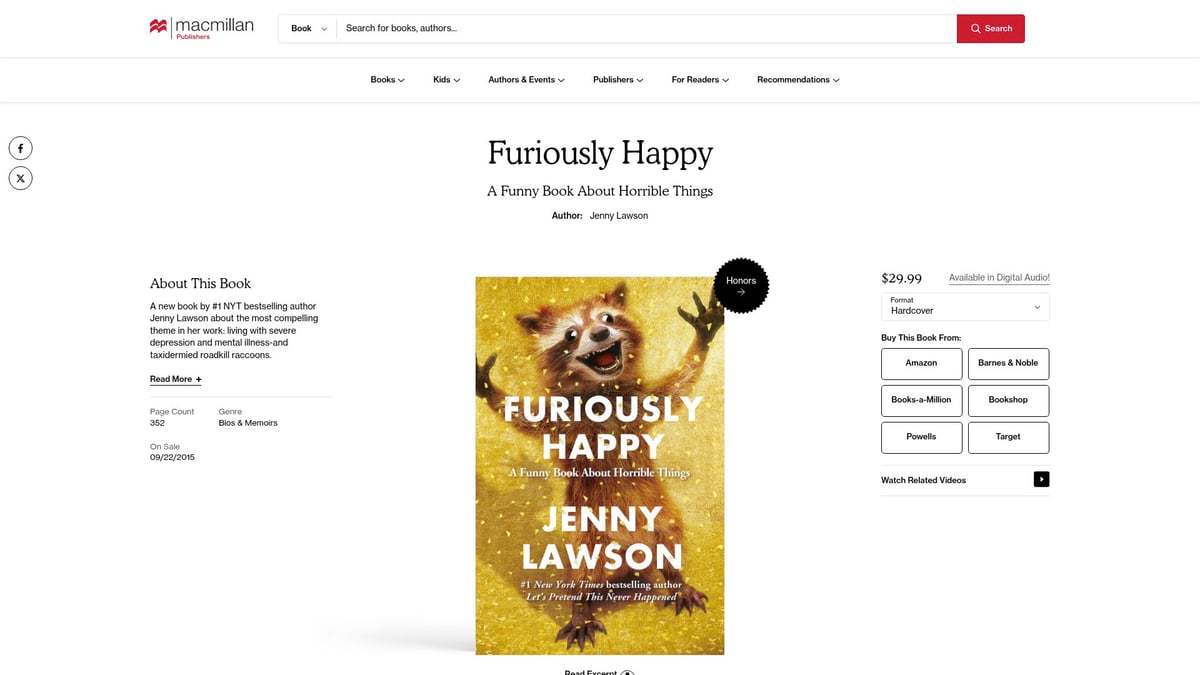
Her stories are both raw and uplifting, drawing from personal experiences and her viral blog community. The book has become a bestseller, with readers forming strong online connections around its themes. Lawson emphasizes that happiness is possible, even if it looks different for everyone.
For those who appreciate humor and candidness, "Furiously Happy" stands out among books about mental illness. Lawson’s approach makes heavy topics approachable and reminds readers that they are not alone.
The book’s blend of wit and vulnerability has inspired countless readers to embrace their own journeys and seek out supportive communities.
Everything Is Fine by Vince Granata
Vince Granata’s "Everything Is Fine" is a harrowing family memoir that addresses schizophrenia, grief, and forgiveness. Granata recounts the impact of his brother’s mental illness on their family, exploring tragedy, love, and the long road to healing.
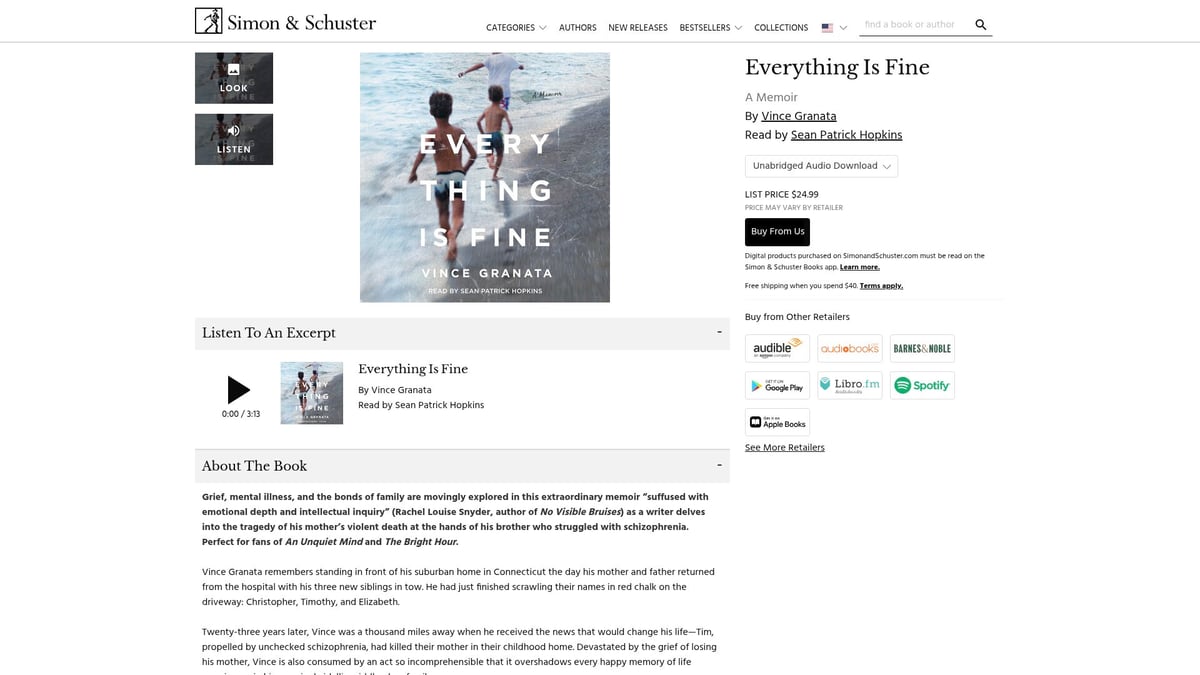
The memoir is lauded for its compassionate honesty. Granata does not shy away from the pain and complexity of his family’s experience, making this one of the most powerful books about mental illness for those seeking deep emotional narratives.
Therapists and support groups often use this book to facilitate conversations about loss, trauma, and resilience. Granata’s advocacy for mental health support shines through, encouraging families to seek help and understanding.
Readers who want to explore the intersection of tragedy and hope will find this memoir a moving and essential addition to their reading list.
Willow Weep for Me by Nana-Ama Danquah
Nana-Ama Danquah’s memoir "Willow Weep for Me" broke new ground by spotlighting depression among Black women. Danquah writes candidly about her struggles, the cultural barriers to seeking help, and the intersectionality of race, gender, and mental health.
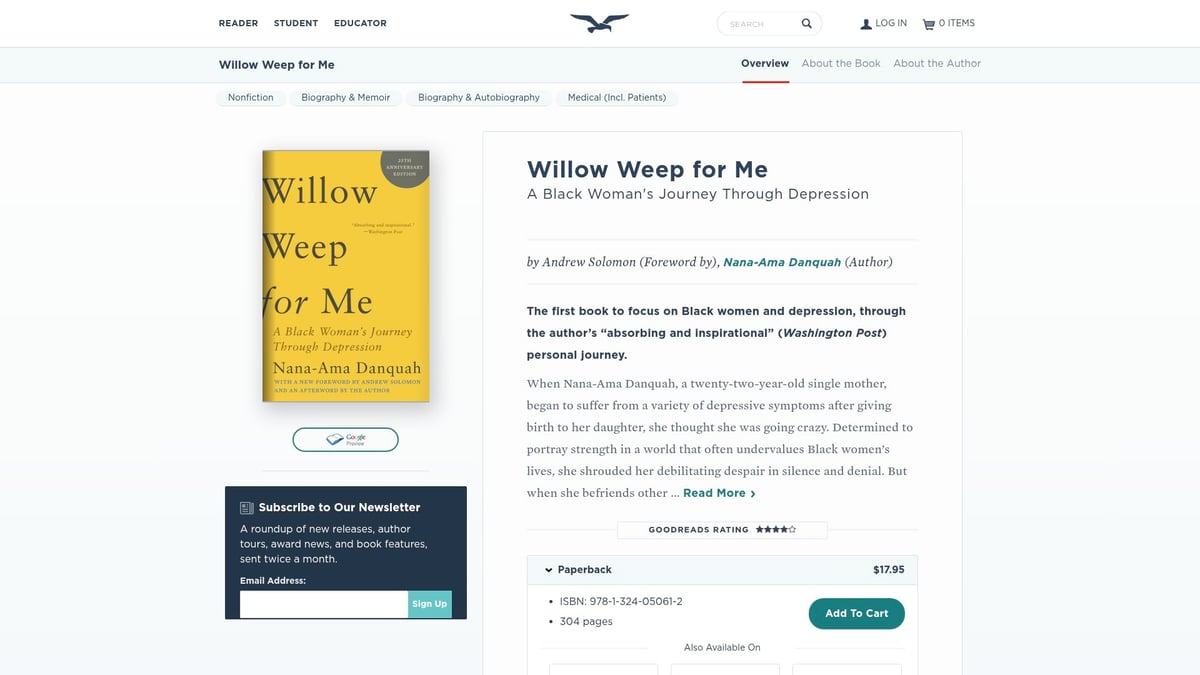
Her voice fills a gap in literature where too often the experiences of marginalized communities are overlooked. The memoir is frequently referenced in both academic and grassroots discussions about mental health. Danquah’s work in community outreach and advocacy further amplifies the book’s impact.
This title is vital for readers interested in books about mental illness that address underrepresented stories. Danquah’s insights help challenge stereotypes and foster a more inclusive understanding of mental health.
Her memoir encourages open dialogue and community-building, making it a valuable resource for readers from all backgrounds.
Brain on Fire by Susannah Cahalan
"Brain on Fire" by Susannah Cahalan is an investigative memoir that documents her sudden descent into psychosis and the medical mystery that followed. Cahalan’s search for answers led to the diagnosis of a rare autoimmune encephalitis, highlighting the challenges of misdiagnosis.
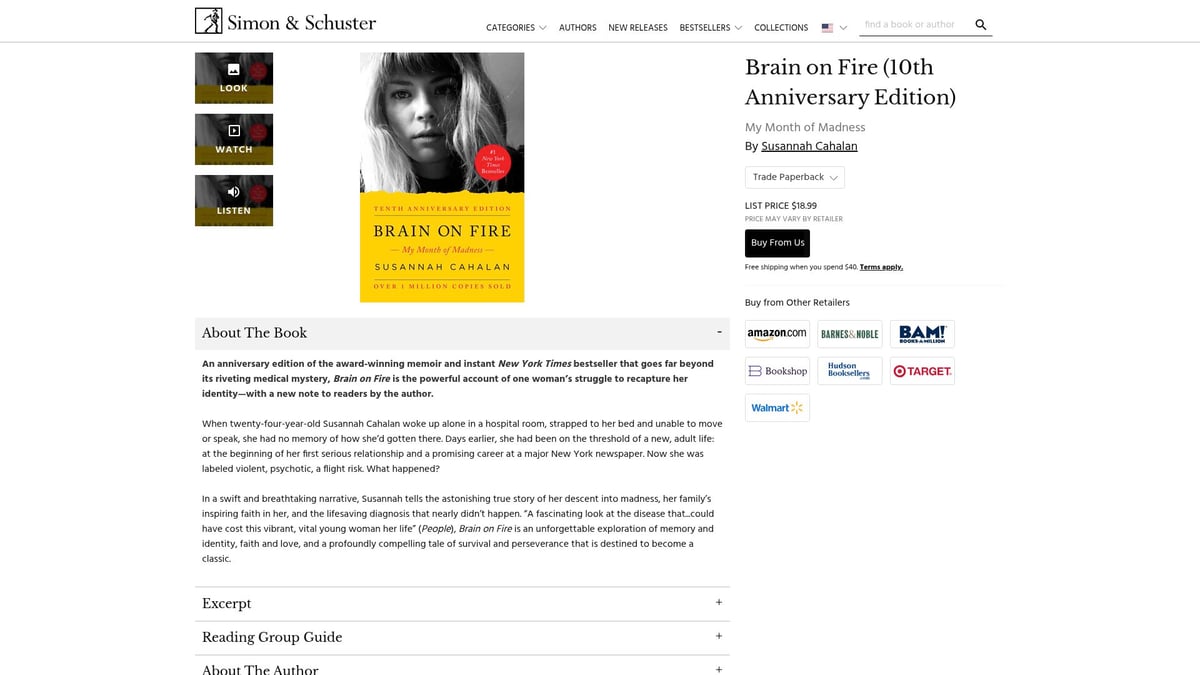
The book combines journalistic rigor with emotional depth, making it a standout among books about mental illness. It was adapted into a major film, further raising awareness of the complexities surrounding mental health and rare illnesses.
Cahalan’s advocacy for diagnostic accuracy and patient empowerment resonates with readers and medical professionals alike. The memoir is ideal for those interested in medical mysteries, resilience, and the intersection of physical and mental health.
Her story is a reminder of the importance of persistence and the need for compassionate, thorough care in mental health systems.
Girl, Interrupted by Susanna Kaysen
Susanna Kaysen’s "Girl, Interrupted" is a classic memoir that explores psychiatric hospitalization in the 1960s. The book delves into themes of identity, diagnosis, and institutionalization, offering a historical perspective on mental illness.
Kaysen’s reflections on her time in a psychiatric hospital continue to influence mental health discourse decades after publication. The memoir inspired a film adaptation and is often studied in academic settings for its honest portrayal of mental health care.
For those seeking books about mental illness that provide insight into the evolution of mental health treatment, "Girl, Interrupted" remains essential reading.
Kaysen’s narrative invites readers to reflect on how far we have come and how much work remains in supporting those with mental health conditions.
How to Choose the Right Mental Health Book for You
Selecting the most impactful books about mental illness can feel overwhelming with so many options available. The right book can offer comfort, insight, and even spark healing on your mental health journey. To make the best choice, it’s important to reflect on your needs, values, and preferred learning style.
Assessing Your Needs and Preferences
Begin by asking yourself what you hope to gain from books about mental illness. Are you seeking personal stories that mirror your experiences, research-based insights, or practical self-help strategies? Memoirs can offer raw, relatable narratives, while scientific texts provide evidence-based knowledge. Self-help guides may give actionable steps for managing symptoms.
For teens or those supporting young people, consider collections like Managing Teen Emotions and Mental Health, which curate relevant titles for this age group. Understanding your preferred format—whether audiobook, e-book, or print—can also support your reading habits.
Make a list of topics or diagnoses that resonate with your situation. This will help you narrow down the vast selection of books about mental illness and find those most aligned with your goals.
Prioritizing Representation, Credibility, and Safety
Representation matters deeply when choosing books about mental illness. Seek out authors whose lived experiences reflect your own background or offer new perspectives. Diverse voices, including BIPOC, LGBTQ+, and neurodivergent authors, contribute to richer understanding and empathy.
Check author credentials, especially for research or self-help titles. Authenticity lends credibility and ensures the advice is sound. Always look for content advisories or trigger warnings to safeguard your emotional well-being. Peer and professional reviews can guide you toward high-quality, impactful reads.
If you are unsure, ask a mental health professional or trusted community member for recommendations. They can help you find books about mental illness that are both informative and sensitive to your needs.
Integrating Books into Your Mental Health Journey
Books about mental illness can be powerful tools for growth and recovery when integrated thoughtfully into your routine. Try joining a book club, therapy group, or online forum where readers discuss mental health literature. Shared reading encourages reflection and connection.
Choose books that fit your cultural and personal context. The Mindset and Mental Wellness Books collection offers titles that bridge mental health and personal development, supporting a holistic approach.
Remember, literature complements but does not replace professional care. Use what you learn as a catalyst for conversations with therapists or loved ones. With intention and awareness, books about mental illness can become a valuable part of your self-care toolkit.
Additional Resources for Mental Health Support
Finding support beyond books about mental illness is crucial for anyone facing mental health challenges. While literature can foster understanding, connecting with real-world resources ensures comprehensive care.
Essential Helplines and Communities
If you or someone you know needs immediate help, reach out to these trusted services:
- SAMHSA National Helpline (U.S.): 1-800-662-HELP
- NAMI HelpLine (U.S.): 1-800-950-NAMI
- Mind UK Infoline: 0300 123 3393
- Crisis Text Line: Text HOME to 741741
Online forums and support groups offer spaces to discuss books about mental illness, share experiences, and find community.
Further Reading and Professional Guidance
Explore more resources such as podcasts, reputable blogs, and recommended reading lists. For teens, curated selections like Best Books for Teens provide age-appropriate introductions to books about mental illness.
Remember, books about mental illness are most powerful when paired with professional help and supportive networks. Literature can be a guide, but real-world assistance is essential for lasting well-being.
As you reflect on these powerful books and the conversations they spark about mental health, remember that real change starts with the practical steps we take every day. Whether you're supporting a teen, guiding a classroom, or working on your own growth, having the right resources can make all the difference. If you're looking for more focused ways to boost resilience, manage emotions, and build confidence, I invite you to Start the Reset. It's a thoughtfully curated toolkit designed to help teens and those who care for them take the next step toward emotional well-being.