


Books on Life: Essential Reading for Teen Growth
Reading books on life during the teenage years creates a foundation for personal growth that lasts a lifetime. Adolescence brings complex challenges, from managing emotions to building confidence, and the right books provide guidance exactly when teens need it most. These resources offer more than entertainment; they serve as mentors, presenting real-world strategies and proven techniques that help young people develop resilience and navigate uncertainty. Whether a teen struggles with self-doubt, relationships, or finding purpose, books on life deliver insights that make a tangible difference in their daily experiences.
Why Teens Need Books on Life More Than Ever
The modern teenage experience includes unprecedented pressures. Social media comparison, academic competition, and rapidly changing social dynamics create an environment where young people often feel overwhelmed. Books on life address these challenges head-on, providing frameworks for understanding emotions and building coping mechanisms.
Research consistently shows that reading about life experiences different from our own builds empathy and emotional intelligence. For teenagers still developing their sense of identity, exposure to diverse perspectives through books creates cognitive flexibility. This mental agility proves essential when facing difficult decisions or navigating peer relationships.
Building Emotional Vocabulary Through Reading
Many teenagers struggle to articulate what they feel. Books on life introduce language for complex emotions that teens experience but cannot name. When a character in a book faces anxiety, rejection, or confusion, readers gain vocabulary to describe their own internal states.
This emotional literacy translates directly into better mental health outcomes. Teens who can identify and name their feelings show greater ability to regulate those emotions effectively. The managing teen emotions and mental health resources available today recognize this connection between reading and emotional development.
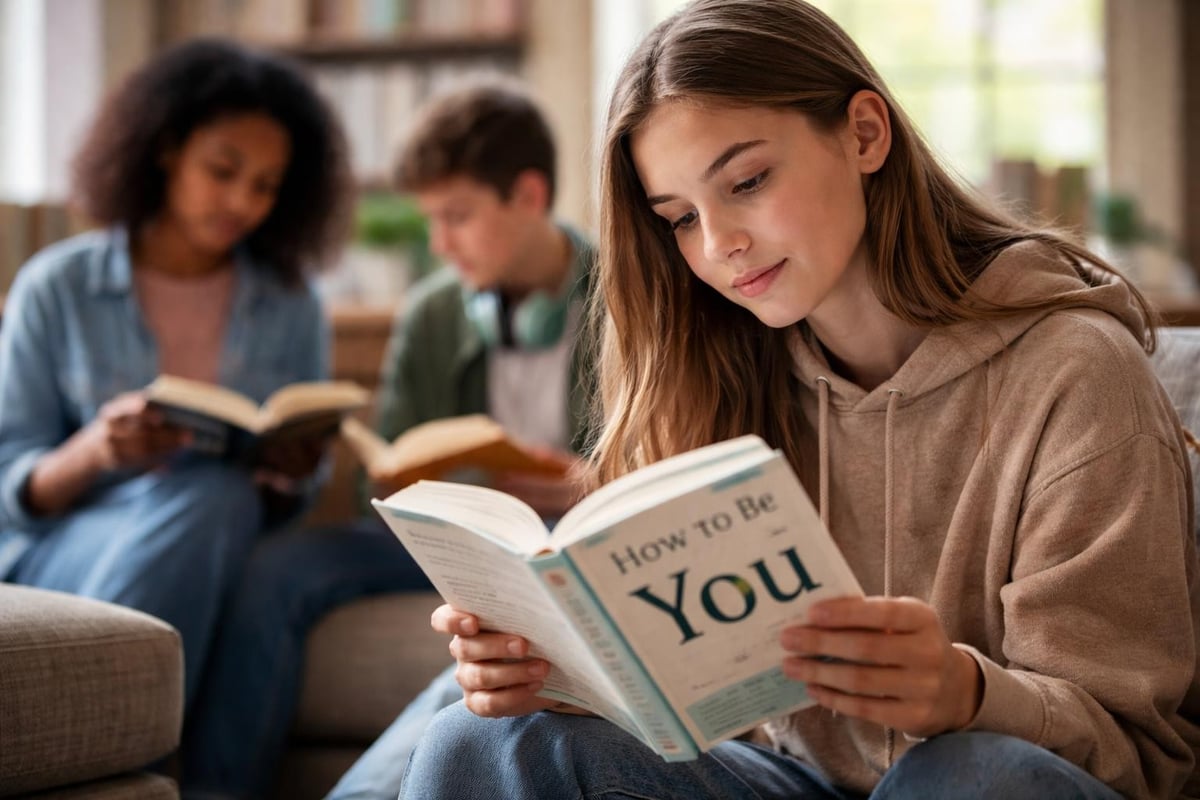
Consider these specific benefits teens gain from reading books on life:
- Enhanced self-awareness through seeing their experiences reflected in characters
- Problem-solving skills by observing how others navigate challenges
- Reduced isolation from realizing their struggles are universal
- Future planning abilities through exposure to different life paths
- Stress reduction via the calming effects of focused reading
Types of Books on Life That Transform Teen Development
Not all books on life serve the same purpose. Understanding different categories helps teens and their parents select resources that match specific needs and growth goals.
Self-Help and Personal Development Books
These direct, practical guides offer actionable strategies for improvement. Unlike fiction that teaches through story, self-help books on life provide exercises, worksheets, and step-by-step processes. For teenagers ready to take active control of their growth, these resources deliver immediate tools.
The best books for teens often combine relatable language with evidence-based techniques. Teenagers respond well to materials that respect their intelligence while acknowledging their unique developmental stage. Books specifically written for teens avoid condescension while addressing genuine concerns.
Memoirs and Autobiographies
Real stories from real people create powerful learning experiences. When teens read about someone who overcame adversity, built a career against odds, or navigated difficult relationships, they internalize possibility. Memoirs show that growth happens through consistent effort, not overnight transformation.
| Book Type | Primary Benefit | Best For | Reading Time |
|---|---|---|---|
| Self-Help Guides | Practical strategies | Teens ready for action | 2-4 hours |
| Memoirs | Inspiration and perspective | Teens seeking motivation | 4-8 hours |
| Philosophical Works | Deep thinking skills | Intellectually curious teens | 6-12 hours |
| Skill-Building Books | Specific competencies | Goal-oriented teens | 3-6 hours |
Philosophical and Meaning-Making Texts
Some books on life tackle bigger questions about purpose and existence. While these might seem abstract, many teenagers crave this level of depth. Adolescence naturally brings existential questioning, and books that explore meaning provide intellectual frameworks for these queries.
Works like those discussed in curated selections of influential books offer teens entry points into philosophical thinking. These resources teach critical thinking alongside life lessons, building analytical skills that serve students across all subjects.
How Books on Life Build Essential Teen Skills
Reading creates measurable improvements in capabilities that matter for both immediate success and long-term thriving. The connection between reading books on life and skill development operates through multiple mechanisms.
Developing Critical Thinking and Decision-Making
Every book presents choices and consequences. Characters make decisions, and readers observe outcomes. This vicarious learning builds decision-making muscles without real-world risk. Teens mentally rehearse different scenarios, considering variables and predicting results.
Critical thinking develops through:
- Analyzing character motivations and outcomes
- Comparing different approaches to similar problems
- Evaluating the effectiveness of strategies presented
- Identifying patterns across multiple narratives
- Applying book concepts to personal situations
Strengthening Communication and Social Skills
Books on life model conversation, conflict resolution, and relationship building. Teenagers absorb communication patterns through reading, expanding their repertoire of social responses. Dialogue in books demonstrates how people navigate disagreement, express feelings, and build connections.
The books on self-improvement category specifically addresses interpersonal development. These resources often include communication frameworks that teens can practice immediately in their own relationships.

For teens struggling with social anxiety or awkwardness, reading provides safe exposure to social situations. They observe successful interactions and learn scripts for common scenarios. This preparation reduces anxiety in real encounters.
Building Resilience and Growth Mindset
Perhaps the most valuable skill books on life teach is resilience. Stories of overcoming obstacles rewire teenage brains to view challenges as opportunities rather than threats. This growth mindset proves essential for academic success and personal development.
Books normalize struggle and failure as parts of growth. Teenagers see that setbacks happen to everyone, and success comes from persistence rather than innate ability. This perspective shift dramatically impacts how teens approach difficult tasks and setbacks.
Choosing the Right Books on Life for Individual Teens
Matching books to individual teenagers requires understanding their current needs, interests, and reading level. The wrong book, no matter how acclaimed, will sit unread. The right book creates transformation.
Assessing Readiness and Interest
Start by identifying what challenges a teen currently faces. A student struggling with confidence needs different resources than one managing anger or planning for the future. Books on life work best when they address pressing concerns.
Key questions to ask:
- What specific challenge is the teen facing right now?
- What topics naturally interest them?
- What is their current reading level and attention span?
- Do they prefer direct advice or story-based learning?
- Are they open to self-reflection exercises?
Interest matters enormously. A teen passionate about music might engage deeply with a musician's memoir about overcoming obstacles, even if they wouldn't touch a traditional self-help book. Finding the right entry point makes all the difference.
Age-Appropriate Content and Complexity
Books on life must match developmental stage. Materials written for adults often miss the mark with teenagers, using examples and language that feel irrelevant. Conversely, content aimed at younger children feels insulting to adolescents.
The best resources for teenagers acknowledge their growing autonomy while providing structure. They treat teens as capable of complex thinking while recognizing their limited life experience. This balance creates engagement without overwhelm.
| Age Range | Appropriate Themes | Ideal Length | Complexity Level |
|---|---|---|---|
| 13-14 | Identity, friendship, school | 150-200 pages | Moderate |
| 15-16 | Relationships, future planning, values | 200-300 pages | Moderate to High |
| 17-18 | Independence, purpose, adult transitions | 250-350 pages | High |
Combining Different Types of Books on Life
Variety prevents reading fatigue and addresses multiple growth areas. A balanced reading diet might include a practical skills book, an inspiring memoir, and a thought-provoking novel. This combination develops different capabilities while maintaining engagement.
Parents and educators can create reading plans that cycle through different types of books on life. After finishing an intense self-help guide with exercises, a teen might appreciate a lighter memoir. Following a philosophical work, a practical skills book provides concrete application.
Maximizing Learning From Books on Life
Simply reading books on life provides value, but active engagement multiplies impact. Teenagers who interact with material through discussion, journaling, or application retain more and transform faster.
Active Reading Strategies for Teens
Passive reading entertains but doesn't necessarily change behavior. Active reading involves questioning, connecting, and applying information. These strategies transform books on life from interesting to transformational.
Encourage teens to:
- Highlight or note passages that resonate personally
- Write questions in margins when confused or curious
- Make connections between book content and their own experiences
- Set implementation goals for applying new concepts
- Discuss insights with trusted adults or peers
Some teenagers benefit from structured reading journals. After each chapter or section, they write brief reflections on what stood out and how it applies to their lives. This practice solidifies learning and creates a personal record of growth.
Discussion and Application
Books on life generate the most value when their lessons move from page to practice. Discussion helps teens process ideas and gain new perspectives. Whether talking with parents, friends, or counselors, conversation deepens understanding.

Effective discussion approaches include:
- Weekly book club meetings with peers reading the same material
- Parent-teen conversations about specific chapters or concepts
- Therapy sessions incorporating book insights
- Online communities focused on book themes
- Personal reflection through journaling prompts
Application matters most. A teen might read about confidence-building techniques in resources focused on self-assurance, but transformation requires practicing those techniques. Setting small, specific goals for trying new approaches makes concepts real.
Building a Lifelong Reading Habit
The goal extends beyond reading a few helpful books during teenage years. Establishing reading as a lifelong practice for personal growth creates ongoing benefits. Adults who regularly read books on life report higher life satisfaction and better stress management.
Parents model this behavior powerfully. When teenagers see adults reading and discussing books on life, they internalize reading as a normal part of growth. Sharing what you are learning from your own reading creates household culture around continuous improvement.
Integrating Books on Life With Other Growth Resources
Books work best as part of a comprehensive development approach. While powerful alone, combining reading with other resources creates synergistic effects that accelerate growth.
Complementary Tools and Materials
Many books on life pair well with journals, planners, or structured programs. A book teaching goal-setting becomes more effective when accompanied by a planning system. Resources teaching emotional regulation gain power when paired with mindfulness apps or counseling.
The mindset books collection demonstrates how different resources address related themes from various angles. A teenager might read about growth mindset, use a journal for daily affirmations, and attend workshops on resilience. Each element reinforces the others.
Professional Support and Guidance
Therapists, counselors, and coaches often recommend specific books on life as supplements to their work. These professionals help teens process material and apply it to their unique situations. The combination of reading and professional guidance accelerates progress.
Parents should consider books as conversation starters rather than replacements for professional help when needed. Serious mental health concerns require trained intervention, but books can support therapeutic work beautifully.
The Science Behind Why Books on Life Work for Teens
Understanding the mechanisms behind reading's impact helps appreciate its power. Neuroscience reveals how books physically change teenage brains, creating new neural pathways and strengthening existing ones.
Brain Development During Adolescence
The teenage brain undergoes massive restructuring. The prefrontal cortex, responsible for planning and decision-making, develops throughout adolescence and into the mid-twenties. Reading books on life exercises this developing brain region, strengthening executive function.
Simultaneously, the limbic system, governing emotions, operates at full intensity during teenage years. This creates the characteristic emotional intensity of adolescence. Books help teens understand and manage these powerful feelings by providing context and strategies.
Research from institutions exploring life course development patterns shows how experiences during adolescence create lasting trajectories. Books consumed during these formative years influence values, beliefs, and behaviors for decades.
Neuroplasticity and Reading
The brain's ability to rewire itself, called neuroplasticity, peaks during adolescence. Every book a teen reads creates new neural connections. Repeated exposure to concepts through reading strengthens these pathways, making new behaviors easier to execute.
When a teenager reads about someone overcoming social anxiety, their mirror neurons fire as if they were experiencing that triumph themselves. This vicarious experience creates real neural changes that support similar confidence in their own lives.
Measurable benefits of regular reading include:
- Increased gray matter density in language processing areas
- Enhanced connectivity between brain regions
- Improved working memory capacity
- Greater emotional regulation ability
- Stronger analytical thinking skills
Long-Term Outcomes of Teen Reading
Longitudinal studies tracking individuals who read regularly during teenage years show remarkable advantages. These individuals demonstrate higher educational attainment, better career outcomes, and greater life satisfaction. The causation runs both directions, but books clearly contribute to positive trajectories.
Adults who read books on life during adolescence report feeling better equipped to handle adult challenges. They credit teenage reading with providing frameworks they still use for decision-making, relationship building, and stress management decades later.
Current Trends in Books on Life for Teenagers
The landscape of books on life continues evolving to meet changing teenage needs. Publishers and authors recognize that today's teens face unique challenges requiring updated approaches.
Digital Versus Print Reading
While digital reading offers convenience, research suggests print books create stronger comprehension and retention. The physical act of turning pages and the spatial memory of where information appeared on pages enhances learning. For books on life intended to change behavior, print format may provide advantages.
However, accessibility matters most. Teens who will only read digitally benefit far more from e-books than from print books they never open. The key is matching format to individual preference while encouraging deep engagement regardless of medium.
Diverse Voices and Perspectives
Modern books on life increasingly feature authors from varied backgrounds, offering teenagers exposure to different cultural perspectives on growth and success. This diversity helps all teens find relatable voices while expanding worldviews.
Books addressing specific identity experiences provide essential validation for teens navigating those identities. LGBTQ+ teens, teens of color, teens with disabilities, and others benefit from seeing their experiences reflected in books on life. Representation matters profoundly during identity formation.
Integration With Mental Health Resources
The boundaries between self-help books and mental health resources blur productively. Many contemporary books on life incorporate evidence-based therapeutic techniques like cognitive behavioral therapy, dialectical behavior therapy, and mindfulness practices. This integration brings professional-grade tools to wider audiences.
Parents and educators should recognize quality resources that complement professional care. The best books on social skills often draw from therapeutic frameworks, making them valuable supplements to counseling or standalone resources for typical developmental challenges.
Books on life provide teenagers with essential guidance during the most formative years of their development, building skills and perspectives that create lasting positive outcomes. When teens engage actively with well-chosen resources, they develop emotional intelligence, resilience, and confidence that serve them throughout adulthood. Emmadavisbooks.com specializes in creating exactly these kinds of transformative guides, offering toolkits and books specifically designed to help teenagers navigate adolescence with practical strategies and proven techniques. Explore the collection today to find resources that will empower the teens in your life to build the skills they need for lifelong success.