


Top 8 Books on Life Skills to Read in 2026
In a rapidly changing world, mastering essential life skills is more important than ever. Many people find themselves unprepared for real-world challenges like managing emotions, effective communication, or handling finances.
The right books on life skills can bridge these gaps, providing practical wisdom and actionable strategies that help readers thrive in every aspect of life. Imagine feeling more confident, resilient, and ready for anything life brings your way.
This article spotlights the top 8 books on life skills to read in 2026, each carefully chosen to empower you in personal, social, and professional settings. Discover which books will give you the edge you need, and why building these skills matters now more than ever. From emotional intelligence to financial literacy and resilience, there is something here for every reader.
Why Life Skills Matter in 2026
In 2026, the concept of life skills is more dynamic than ever. The challenges people face are rapidly evolving, and the demand for practical, adaptable skills is rising. Understanding why books on life skills are essential starts with recognizing how these abilities are defined and valued in the modern world.
The Evolving Definition of Life Skills
Life skills now encompass much more than basic tasks. In 2026, they include emotional intelligence, adaptability, digital literacy, and critical thinking. The Future of Jobs Report 2025 highlights that employers prioritize these human-centric skills. For example, managing remote work, digital collaboration, and mental health are crucial daily realities. As technology reshapes the workplace, books on life skills help readers keep pace with the skills needed for both personal growth and professional advancement.
The Impact of Life Skills on Personal and Professional Success
Strong life skills drive both academic achievement and career advancement. Research from Harvard’s Center on the Developing Child shows that social-emotional abilities directly influence long-term outcomes. Companies now seek candidates who possess not only technical expertise but also communication, resilience, and teamwork. Personal stories consistently show that people who invest in books on life skills can overcome setbacks, make better decisions, and thrive in high-pressure situations.
The Gap in Formal Education
Despite their importance, life skills are still missing from many school curriculums. Young adults often report feeling unprepared for financial planning, conflict resolution, or stress management. Surveys reveal that over 60 percent of adults wish they had learned more practical skills during their education. This gap highlights the need for supplementary resources, such as books on life skills, to provide guidance where formal instruction ends.
The Role of Books in Bridging the Gap
Books on life skills offer accessible, self-paced learning for people at every stage of life. Many bestselling titles provide evidence-based strategies, practical exercises, and relatable examples. By reading widely, individuals can develop empathy, self-awareness, and hands-on know-how. These books serve as a bridge, empowering readers to acquire and apply essential skills long after formal schooling is complete.
How We Selected the Top Life Skills Books for 2026
Selecting the best books on life skills requires a thoughtful, transparent process. Our aim is to ensure every recommendation is relevant, actionable, and valuable for readers facing the challenges of 2026. We evaluated each title using clear criteria and prioritized a diverse, up-to-date selection.
Criteria for Selection
To identify the top books on life skills, we set rigorous standards:
- The book must be recently published or updated for 2026 to address present-day issues.
- Content must be grounded in evidence-based research and offer practical, real-life applications.
- We looked for high ratings and endorsements from educators, psychologists, and everyday readers.
- Books with actionable exercises and clear frameworks were prioritized.
This process ensures that the books on life skills featured in our list are not only current but also proven to deliver measurable results.
Diversity of Skills Covered
A well-rounded collection of books on life skills should represent a spectrum of topics and audiences. Our selections include titles on emotional intelligence, financial literacy, communication, resilience, and more. We aimed to include resources suitable for teens, adults, and professionals from different backgrounds.
For readers interested in recommendations tailored to younger audiences, the Best Books for Teens guide offers additional insights into age-appropriate life skills literature.
This diversity ensures everyone can find books on life skills that meet their unique needs.
Balancing Classic Wisdom with Fresh Perspectives
We believe the best books on life skills blend timeless principles with innovative new approaches. Our list includes both enduring classics and recent releases, providing readers with a mix of foundational wisdom and cutting-edge insights.
We also considered global and multicultural perspectives, ensuring the books reflect a range of cultural backgrounds and lived experiences.
Reader Accessibility and Engagement
Accessibility is essential when recommending books on life skills. We favored titles with clear, engaging language and practical steps. Formats such as workbooks, case studies, and stories make lessons relatable and actionable.
Availability in print, digital, and audio formats was also a priority, so readers can access content in the way that suits them best.
Transparency in Recommendations
Our recommendations for books on life skills are entirely independent. We avoid publisher bias, focusing solely on genuine value for readers. The list is regularly reviewed and updated to reflect new releases and community feedback.
We believe this transparent approach builds trust and ensures our readers always have the most relevant and effective resources at their fingertips.
Top 8 Books on Life Skills to Read in 2026
In 2026, the demand for books on life skills continues to rise as individuals look for ways to thrive in personal, social, and professional environments. The right resources can make a profound difference, equipping readers with practical tools to navigate real-world challenges. This list features eight standout books on life skills, each offering a unique approach to growth, resilience, and success. Whether you are a teen, a young adult, or a seasoned professional, these selections provide actionable insights to help you build a well-rounded skillset and create lasting positive change.
Essential Life Skills for Teens: The Complete Guide to Confidence, Emotional Resilience, and Future Success
Emma Davis Books delivers a comprehensive guide for teenagers eager to master the core books on life skills. This resource covers emotional regulation, communication, money management, social skills, and growth mindset, making it a top choice for teens, parents, and educators alike.
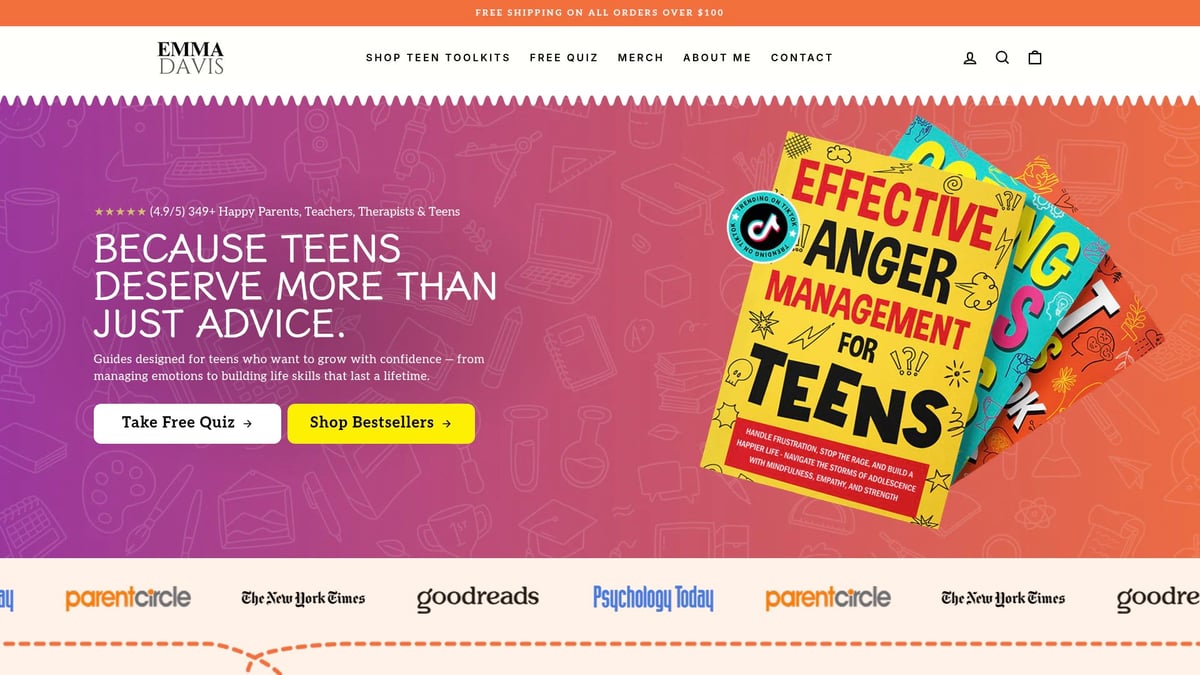
The book stands out for its evidence-based approach, drawing from CBT and DBT techniques. It uses teen-friendly language and provides actionable exercises that make the learning process engaging and effective. With professional endorsements and a reputation trusted by over 10,000 teens, it has become a go-to reference for developing practical skills.
One unique aspect is the holistic coverage of life skills, ensuring that readers are not just focusing on academics but also on emotional and social growth. The guide's 30-day money-back guarantee reflects confidence in its impact. Parents and therapists often recommend it for its structured, step-by-step format.
While primarily aimed at teens, adults can benefit from the foundational principles. For those seeking to develop social skills further, the Social Skills Book Guide provides complementary recommendations. Ultimately, this book ensures teens gain confidence, resilience, and readiness for the future, reinforcing the importance of books on life skills for the next generation.
Atomic Habits: An Easy & Proven Way to Build Good Habits & Break Bad Ones
James Clear’s "Atomic Habits" has become a staple among books on life skills, offering readers a clear framework for lasting behavior change. The book introduces the concept of micro-habits—small, incremental changes that lead to significant results over time.
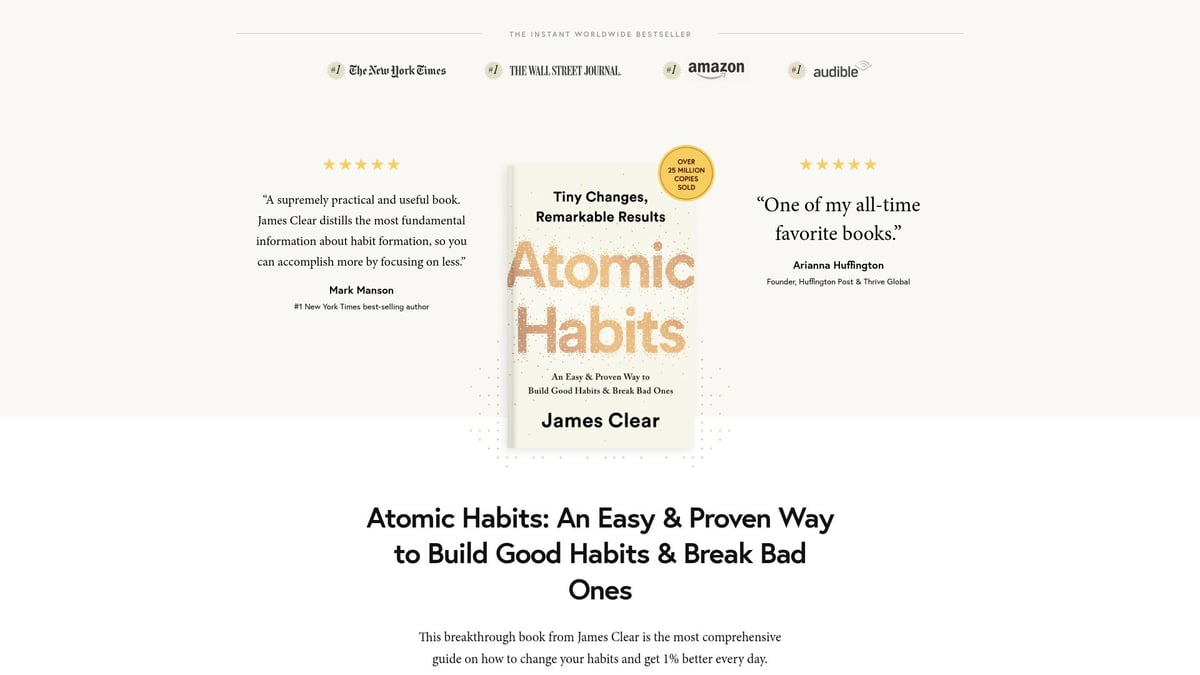
Clear’s approach is grounded in scientific research and real-world case studies. He provides readers with practical strategies for building positive habits and breaking negative ones, ensuring that the process feels manageable and sustainable. The clarity of explanation and step-by-step guidance make it accessible to anyone, regardless of their starting point.
One of the key benefits of this book is its universal applicability. Whether you are striving for professional growth, personal wellness, or stronger relationships, the principles apply. Readers are encouraged to measure progress, celebrate small wins, and adapt techniques to their unique circumstances.
While the primary focus is on habit formation, readers find that the skills learned here extend to other areas of life. "Atomic Habits" remains a must-read for anyone serious about personal growth and serves as a foundational text in the wider landscape of books on life skills.
The Defining Decade: Why Your Twenties Matter—And How to Make the Most of Them Now
Dr. Meg Jay’s "The Defining Decade" is an essential entry among books on life skills for young adults navigating their twenties. The book addresses the unique challenges and opportunities of this formative decade, offering research-based advice to help readers make informed, impactful decisions.
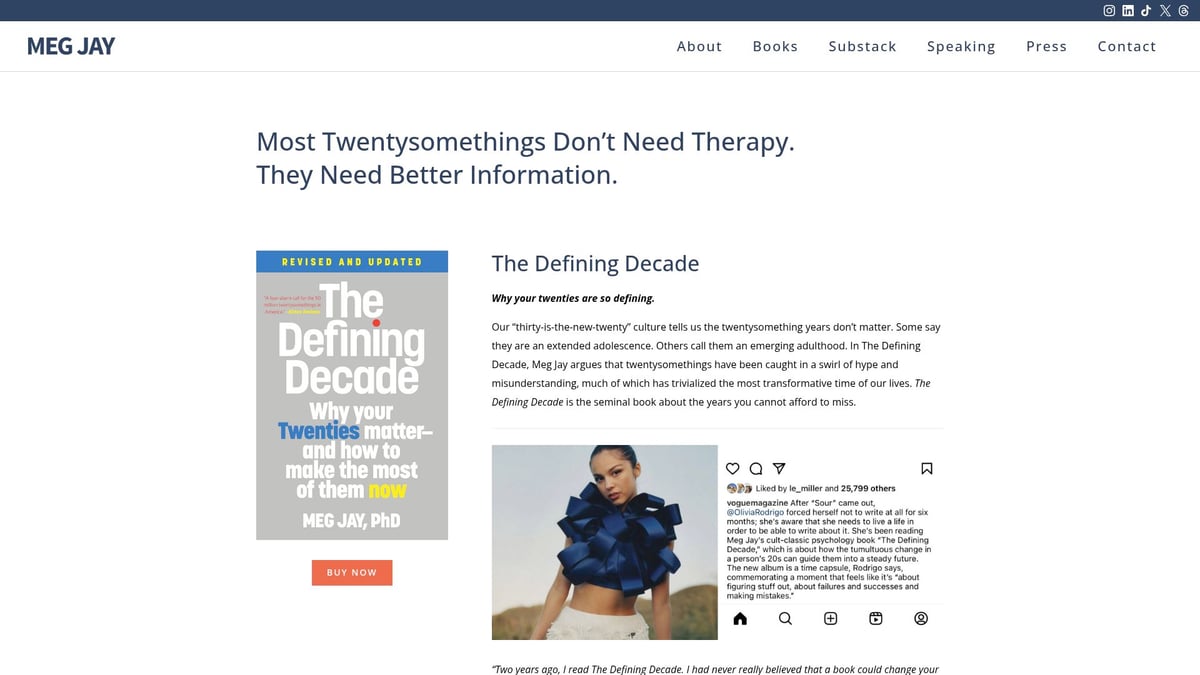
Jay combines compelling case studies with actionable exercises. She covers career planning, relationship building, and identity formation, urging readers to use their twenties deliberately. The book’s tone is empowering, reminding readers that choices made in early adulthood can shape the trajectory of their lives.
What sets this book apart is its focus on urgency and opportunity. Jay advocates for proactive decision-making, encouraging readers to avoid drifting through their twenties. Instead, she provides frameworks for setting goals, building professional networks, and nurturing personal values.
While the advice is tailored to young adults, the underlying principles resonate with anyone seeking direction during times of transition. "The Defining Decade" continues to be a popular choice among books on life skills, especially for those aiming to maximize their potential during a pivotal life stage.
Crucial Conversations: Tools for Talking When Stakes Are High
Effective communication is a cornerstone of all books on life skills, and "Crucial Conversations" by Patterson, Grenny, McMillan, and Switzler is a definitive guide for mastering it. The book focuses on strategies for navigating high-pressure conversations where emotions run high and outcomes matter.
The authors present clear, actionable frameworks that readers can apply in both professional and personal contexts. Real-world examples and practical scripts help demystify difficult discussions, making it easier to approach conflict with confidence and empathy.
A unique feature of this book is its emphasis on practice. Readers are encouraged to rehearse techniques, reflect on past conversations, and develop personalized strategies for improvement. The step-by-step approach ensures that even those new to these skills can build competence quickly.
"Crucial Conversations" is widely used in organizations and leadership training programs, but its lessons are equally valuable at home or in social situations. As part of a comprehensive approach to books on life skills, it equips readers to handle challenges with clarity, composure, and respect.
Emotional Intelligence 2.0
"Emotional Intelligence 2.0" by Travis Bradberry and Jean Greaves is a standout among books on life skills, focusing on the vital role of emotional intelligence (EQ) in personal and professional success. The book provides readers with both theory and hands-on tools for developing self-awareness, self-management, social awareness, and relationship management.
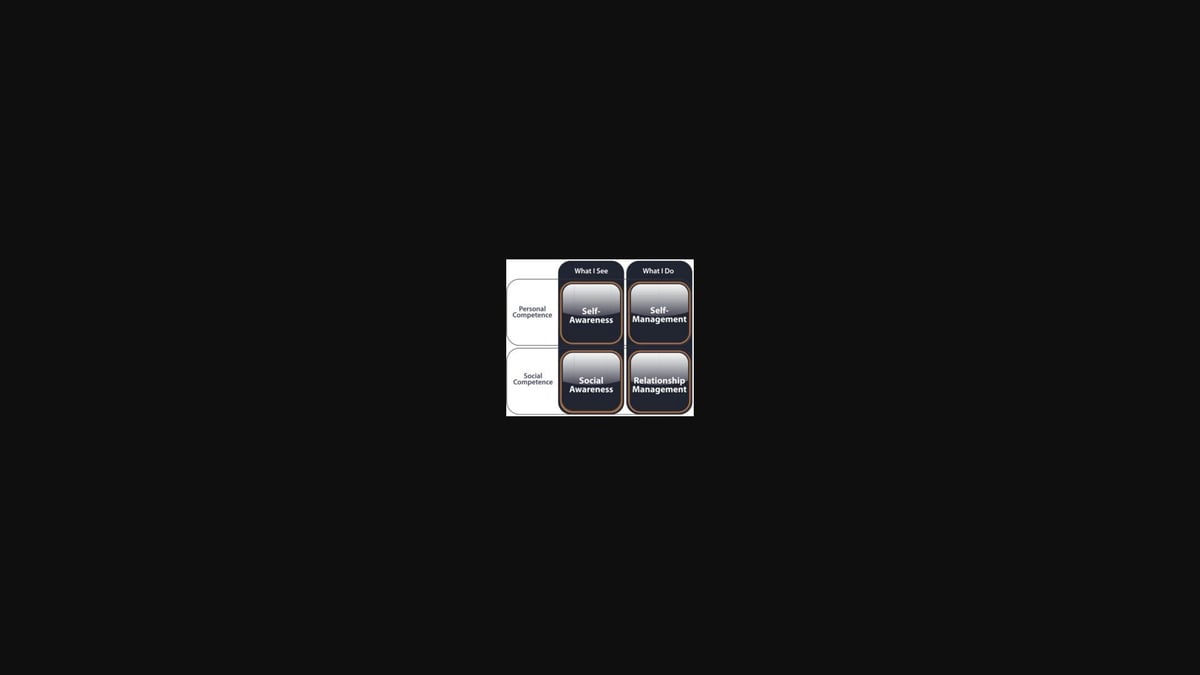
One of the key features is the inclusion of an online EQ assessment, allowing readers to gauge their current skills and track progress over time. Actionable strategies are presented in a clear, concise format, making it easy to implement changes in daily life.
The book’s practical focus is one of its greatest strengths. Exercises and reflection prompts encourage readers to personalize lessons and apply them in real-world scenarios. The concise writing style ensures that concepts remain accessible and actionable.
While the primary emphasis is on emotional intelligence, the skills gained here benefit all areas of life. "Emotional Intelligence 2.0" remains a top recommendation for anyone looking to strengthen their toolkit of books on life skills, especially those seeking measurable growth in EQ.
The 7 Habits of Highly Effective People: Powerful Lessons in Personal Change
Stephen R. Covey’s "The 7 Habits of Highly Effective People" is a classic among books on life skills, celebrated for its enduring principles and practical exercises. Covey introduces a holistic framework that addresses personal and professional effectiveness through universal habits.
Each habit is presented with relatable examples and actionable steps. Readers learn to be proactive, set clear goals, prioritize tasks, and collaborate effectively with others. The integration of character ethics with practical routines distinguishes this book from others in the genre.
What makes this book especially valuable is its adaptability. The principles apply to all ages and backgrounds, ensuring relevance for students, professionals, and families. The structured approach helps readers build sustainable routines and foster long-term growth.
While some concepts may be familiar to seasoned readers, the comprehensive nature of Covey’s framework ensures there is always something new to discover. As a cornerstone of books on life skills, "The 7 Habits" continues to inspire and guide readers worldwide.
I Will Teach You to Be Rich, Second Edition
Financial literacy is a critical component of books on life skills, and Ramit Sethi’s "I Will Teach You to Be Rich" delivers a modern, actionable guide to mastering personal finance. The book covers budgeting, investing, automation, and even scripts for navigating tough money conversations.
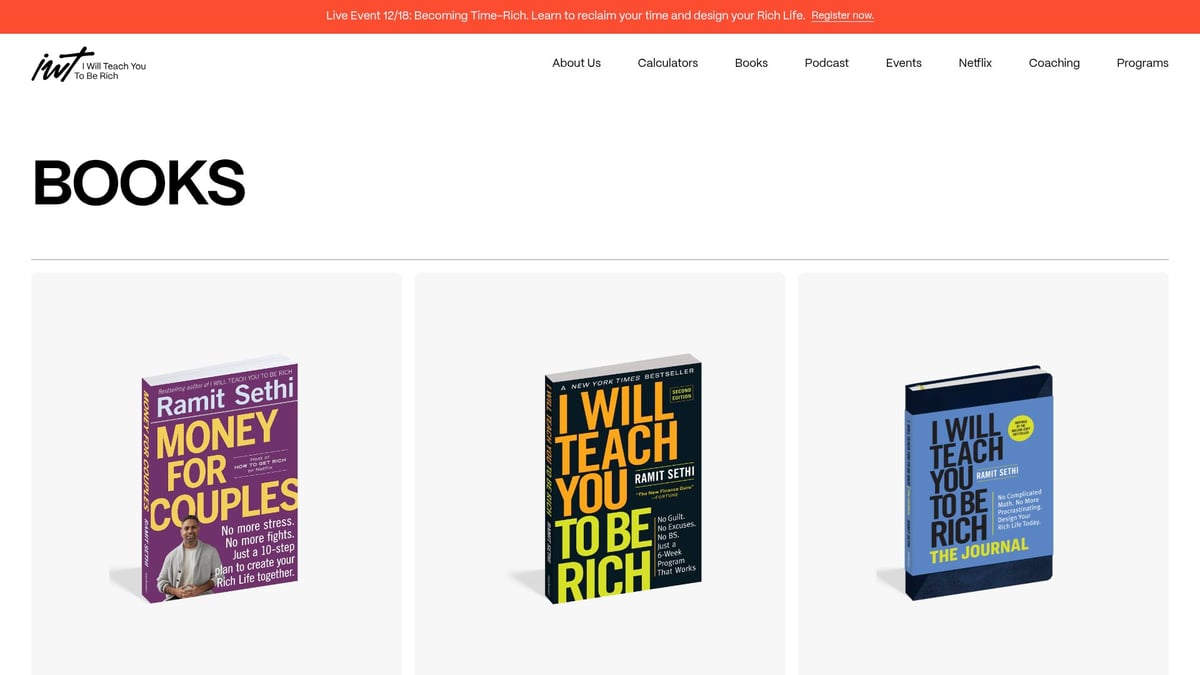
Sethi’s approach is direct and relatable, using humor and real-life stories to demystify complex financial topics. Step-by-step plans help readers set up effective systems, automate saving and investing, and make confident financial decisions without guilt.
One of the book’s standout features is its focus on automation, reducing the stress and effort required to manage money effectively. Readers appreciate the practical tips and the flexibility to adapt strategies to their unique circumstances.
While the advice is primarily tailored to a U.S. audience, the core concepts are universally applicable. For those seeking to expand their financial knowledge, exploring dedicated money and finance books can further enhance financial skills. "I Will Teach You to Be Rich" remains a vital resource among books on life skills for anyone seeking greater financial independence.
Grit: The Power of Passion and Perseverance
Angela Duckworth’s "Grit" explores the power of passion and perseverance, making it a key title among books on life skills focused on resilience. Drawing on years of scientific research, Duckworth reveals how grit—not just talent—drives long-term achievement.
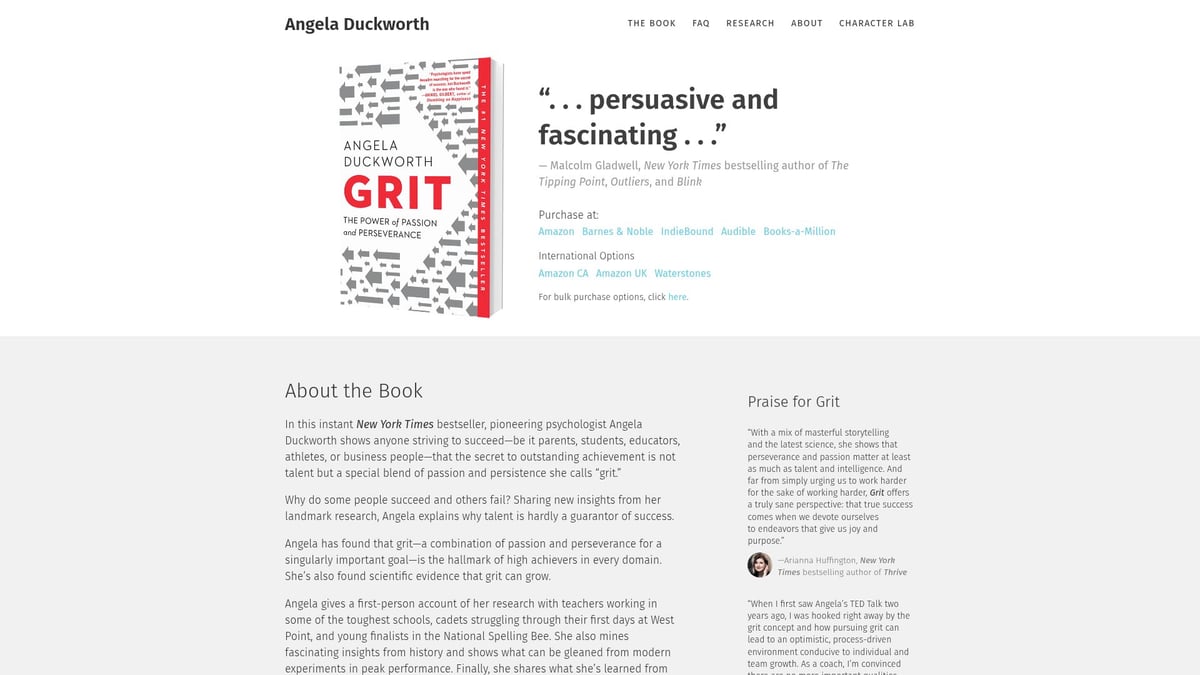
The book combines inspiring stories with self-assessment tools, allowing readers to evaluate and strengthen their own resilience. Actionable strategies help individuals cultivate grit in the face of setbacks, with practical tips for maintaining motivation and purpose.
Duckworth’s insights are relevant to students, professionals, athletes, and anyone facing challenges. The emphasis on effort, mindset, and persistence resonates across contexts, reinforcing the idea that success is often the result of sustained hard work.
While the focus is specifically on resilience, the lessons extend to all areas of life. "Grit" is a powerful reminder that determination and passion are essential elements in the toolkit of books on life skills, inspiring readers to pursue their goals with unwavering commitment.
Comparison Table: Top 8 Books on Life Skills
| Book Title | Author | Core Focus | Best For | Unique Feature |
|---|---|---|---|---|
| Essential Life Skills for Teens | Emma Davis Books | Emotional, social, financial skills | Teens, parents, educators | Holistic, CBT/DBT-based |
| Atomic Habits | James Clear | Habit-building | All ages | Micro-habits method |
| The Defining Decade | Dr. Meg Jay | Career, relationships, identity | Young adults | Focus on twenties |
| Crucial Conversations | Patterson et al. | Communication under pressure | Professionals, families | Practical scripts |
| Emotional Intelligence 2.0 | Bradberry & Greaves | Emotional intelligence | Adults, students | Online EQ test |
| The 7 Habits | Stephen R. Covey | Personal effectiveness | Everyone | Universal principles |
| I Will Teach You to Be Rich | Ramit Sethi | Financial literacy | Young adults, professionals | Automation focus |
| Grit | Angela Duckworth | Resilience | All ages | Self-assessment tools |
In summary, these top books on life skills provide a diverse toolkit for navigating the complexities of modern life. Whether you are building new habits, enhancing communication, or strengthening resilience, there is a resource here to match your needs. Investing in books on life skills is a step toward greater confidence, adaptability, and lifelong success.
How to Get the Most Out of Life Skills Books
Unlocking the full benefits of books on life skills requires more than just reading. To translate insights into growth, it is crucial to approach each book with intention, engagement, and a willingness to put strategies into practice. Here are proven ways to maximize your learning and development journey.
Active Reading Strategies
To get the most from books on life skills, read actively instead of passively. Annotate the margins, highlight essential lessons, and jot down summaries after each chapter. Many books on life skills include reflection questions—use these to personalize your learning.
- Take structured notes for quick review later
- Summarize main ideas in your own words
- Highlight actionable advice or exercises
By interacting with the material, you deepen your understanding and retain more useful knowledge.
Applying Lessons in Real Life
Reading books on life skills is only the first step—real change happens when you put ideas into action. Set measurable goals inspired by the books, such as practicing a new communication skill or starting a budget. The modern workplace increasingly values adaptability and human-centric skills, as highlighted in AI is shifting the workplace skillset.
- Test techniques from chapters in daily situations
- Join book clubs or online forums for accountability
- Ask for feedback from trusted peers
Taking these steps ensures you move from theory to practical improvement.
Tracking Progress and Measuring Growth
To see real progress, track your journey as you apply books on life skills. Use self-assessment tools included in titles like “Emotional Intelligence 2.0” or “Grit.” Journaling weekly about your experiences helps you recognize both achievements and areas needing attention.
Create a simple tracking table:
| Week | Skill Focus | Successes | Challenges | Next Steps |
|---|---|---|---|---|
| 1 | Communication | 2 | 1 | Practice scripts |
| 2 | Money Management | 3 | 2 | Adjust budget |
Regular check-ins help maintain momentum and celebrate growth.
Combining Multiple Resources
Enhance your learning by pairing books on life skills with other resources. For example, supplement reading with podcasts, online courses, or interactive workbooks. The Growth Mindset Book Collection offers additional options for building resilience and self-improvement.
- Attend workshops or webinars on related topics
- Use apps for habit tracking or mindfulness
- Explore companion guides for hands-on activities
Combining varied resources accelerates your development and keeps things engaging.
Overcoming Common Challenges
Staying consistent with books on life skills can be tough. Procrastination, busy schedules, or feeling overwhelmed are common obstacles. Set a realistic reading schedule and break big goals into smaller steps.
Remember, skill-building is a lifelong process. Progress may be slow at times, but steady effort leads to lasting results. Celebrate small wins, and do not hesitate to revisit favorite chapters for renewed motivation.
Frequently Asked Questions About Life Skills Books
What are life skills and why are they important?
Life skills are the essential abilities that help individuals manage daily tasks and challenges. Skills like communication, emotional regulation, problem-solving, and financial management fall into this category. These tools are vital for success in both personal and professional life.
Research shows that strong life skills are linked to better mental health, relationships, and achievement. For example, children's emotional development is built into the architecture of their brains, highlighting why social-emotional growth is foundational. Building these skills early can set the stage for lifelong success.
Can life skills really be learned from books?
Absolutely. Books on life skills deliver proven frameworks, step-by-step exercises, and relatable stories. These resources break down complex concepts, making them easier to apply in real life.
Many books include workbooks or online tools for hands-on learning. The key is to actively practice what you read, turning theory into everyday habits.
How do I choose the right life skills book for me?
Start by identifying your current goals or challenges. Do you want to improve communication, boost resilience, or master financial basics? Look for books on life skills that offer practical exercises and clear instructions.
- Read reviews from trusted sources.
- Skim sample chapters when possible.
- Seek recommendations from educators or professionals.
Choosing the right title ensures the book meets your unique needs and learning style.
Are these books suitable for teenagers as well as adults?
Yes, several books on life skills are written specifically for teens, while others are accessible to all ages. For instance, guides like “Essential Life Skills for Teens” are tailored for younger readers, with age-appropriate language and examples.
Books such as “Atomic Habits” or “Grit” can be valuable for both teens and adults. Parents and educators often use these titles as conversation starters or teaching tools.
How often should I revisit life skills books?
It is helpful to review books on life skills regularly. Rereading or referencing favorite sections can reinforce learning and help you adapt lessons to new life stages.
Many readers revisit these books annually or when facing new challenges. Integrating exercises into your daily routine and updating your reading list with new releases will support ongoing growth.
As we’ve explored, the right books can equip you or your teen with practical tools for confidence, emotional resilience, and future success—skills that are more essential than ever in 2026. If you’re ready to take the next step and put these powerful lessons into action, there’s a curated resource designed to help guide this journey. You don’t have to navigate these challenges alone. Give your teen the advantage of evidence based strategies and a supportive framework for growth. Together, let’s build a foundation for lifelong achievement—Future Proof Your Teen's Future.