


Books That Increase Confidence: Guide for Teens
Confidence forms the foundation of success in nearly every aspect of teenage life, from academic performance to social relationships and future career prospects. For many teenagers, navigating the complex landscape of adolescence while maintaining a healthy sense of self-worth presents significant challenges. Books that increase confidence offer powerful tools for personal transformation, providing strategies, perspectives, and inspiration that can reshape how young people view themselves and their potential. Reading the right materials at the right time can become a catalyst for profound personal growth, helping teens develop the resilience and self-assurance they need to thrive.
Understanding How Reading Builds Self-Esteem
The connection between reading and confidence development operates on multiple levels. When teenagers engage with books that increase confidence, they gain access to expert knowledge, relatable experiences, and proven frameworks for personal growth. This process creates what psychologists call "vicarious learning," where readers absorb lessons and strategies without having to experience every challenge firsthand.
Books provide a safe space for exploration and self-reflection. Unlike social media or peer interactions, reading allows teenagers to process information at their own pace, revisit challenging concepts, and integrate new ideas without judgment or pressure. This private learning environment can be particularly valuable for teens who feel anxious about discussing personal struggles openly.
The Science Behind Reading and Self-Worth
Research consistently demonstrates that reading improves emotional intelligence, expands perspective-taking abilities, and enhances problem-solving skills. These cognitive benefits directly translate into increased confidence because teenagers develop better tools for understanding themselves and navigating social situations.
Key psychological benefits include:
- Enhanced empathy through exposure to diverse characters and situations
- Improved self-awareness from reflection on relatable scenarios
- Reduced anxiety through normalization of common struggles
- Increased vocabulary for expressing emotions and needs
- Stronger critical thinking skills that support decision-making
The books focusing on self-esteem and self-worth available today incorporate evidence-based approaches from cognitive behavioral therapy, positive psychology, and neuroscience research, making them particularly effective for teenage readers.

Essential Categories of Confidence-Building Literature
Books that increase confidence span multiple genres and approaches, each offering unique benefits for different aspects of personal development. Understanding these categories helps parents, educators, and teens themselves select the most appropriate resources for specific needs and learning styles.
Personal Development Classics
Traditional self-help books provide structured frameworks for building confidence through systematic exercises and proven methodologies. These works typically include actionable strategies, reflection prompts, and step-by-step guidance for implementing new habits and thought patterns. The advantage of established classics lies in their track record of helping millions of readers achieve measurable results.
Popular titles in this category address fundamental confidence issues like fear of failure, negative self-talk, and social anxiety. They teach practical techniques such as affirmation practices, visualization exercises, and cognitive reframing that teenagers can apply immediately to real-world situations.
Narrative-Driven Inspiration
Story-based books offer a different pathway to confidence building by showing rather than telling. Memoirs, biographies, and narrative nonfiction allow teenagers to witness how others overcame similar challenges, providing both inspiration and practical examples of resilience in action.
| Book Type | Primary Benefit | Best For |
|---|---|---|
| Self-Help Guides | Structured strategies and exercises | Systematic learners who want clear steps |
| Memoirs | Emotional connection and inspiration | Visual learners who relate to stories |
| Psychology Books | Understanding the science of confidence | Analytical thinkers seeking evidence |
| Workbooks | Active engagement and practice | Hands-on learners who prefer interaction |
Subject-Specific Confidence Builders
Specialized books address particular confidence challenges common during adolescence. These might focus on public speaking, athletic performance, creative expression, or academic achievement. By targeting specific areas where teenagers struggle, these resources provide deeper, more nuanced guidance than general confidence books.
The collection of self-improvement books at Emmadavisbooks.com demonstrates this targeted approach, offering resources tailored specifically to teenage experiences and developmental needs.
Selecting Age-Appropriate Confidence Resources
Not all books that increase confidence work equally well for every age group. Teenage readers need materials that respect their growing cognitive abilities while addressing their specific developmental challenges. The language, examples, and strategies should align with their life experiences and maturity level.
Matching Content to Development Stage
Early teenagers (ages 13-15) benefit from books that address the fundamental transitions of adolescence: physical changes, shifting friendships, and increasing academic pressure. These readers often respond well to conversational tones, relatable scenarios, and visual elements that break up dense text.
Mid to late teenagers (ages 16-18) can engage with more sophisticated content that explores identity formation, future planning, and complex emotional regulation. They appreciate materials that treat them as emerging adults rather than children, incorporating research findings and philosophical perspectives alongside practical advice.
Age-appropriate considerations include:
- Reading level and vocabulary complexity
- Relevance of examples and scenarios
- Depth of psychological concepts presented
- Format and visual appeal of the material
- Cultural sensitivity and inclusivity
Evaluating Quality and Credibility
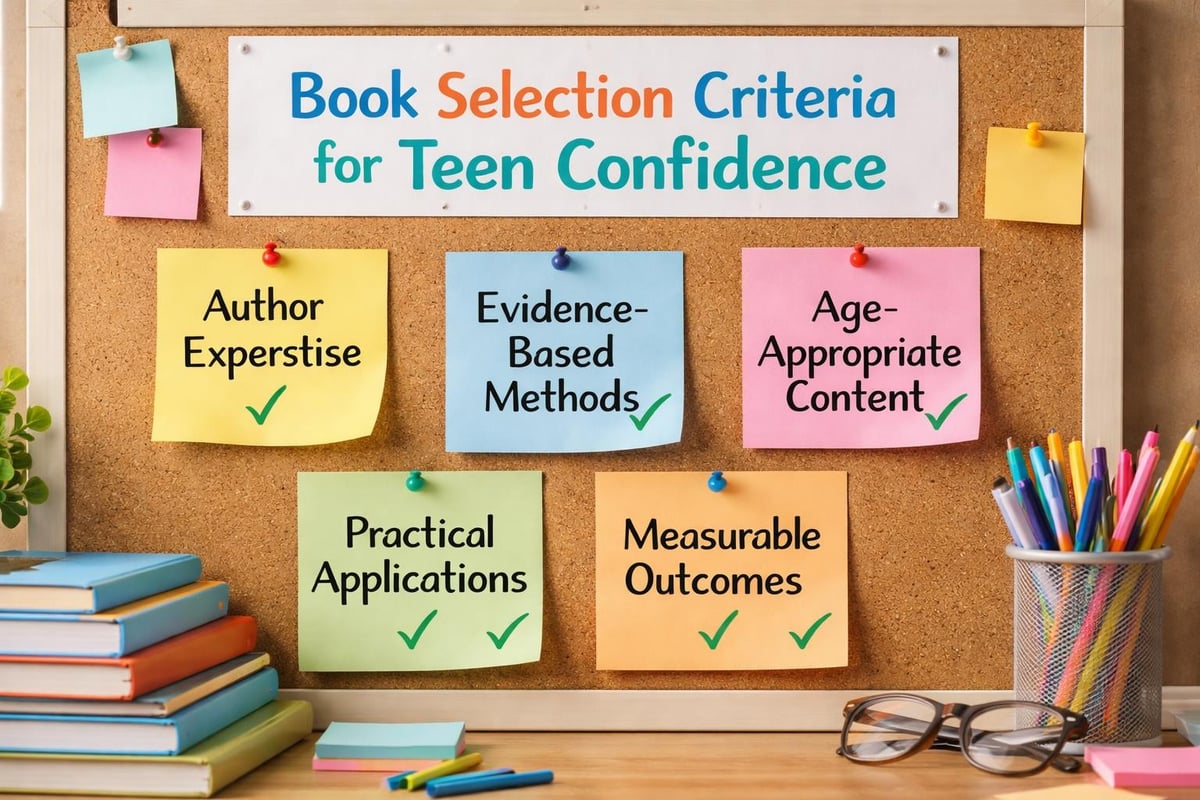
The quality of books that increase confidence varies significantly across publishers and authors. Parents and educators should evaluate several factors when selecting resources for teenagers. Author credentials matter-look for writers with backgrounds in psychology, education, or extensive experience working with young people.
Evidence-based approaches produce better results than purely motivational content. Books that reference research studies, clinical experience, or established therapeutic frameworks tend to offer more reliable guidance. The curated lists of books that build self-esteem from trusted organizations can help identify high-quality options.
Practical Application Strategies for Maximum Impact
Simply reading books that increase confidence isn't enough-teenagers need support in applying what they learn. Active engagement with the material transforms passive reading into genuine personal development. This process requires intentional strategies and, often, guidance from parents or mentors.
Creating a Reading Plan
Structure enhances learning outcomes. Rather than randomly selecting books, teenagers benefit from a deliberate approach that builds skills progressively. Start with foundational texts that establish basic confidence concepts, then move toward specialized resources addressing specific challenges.
A well-designed reading plan might include:
- Weekly reading goals (specific chapters or page counts)
- Reflection time after each reading session
- Journaling prompts to process new ideas
- Discussion opportunities with trusted adults
- Practice periods for implementing strategies
The confidence and social skills resources available through specialized teen development programs often include structured implementation guides that support this systematic approach.
Journaling and Reflection Techniques
Writing amplifies the benefits of reading. When teenagers journal about what they read, they process information more deeply and identify personal applications more clearly. Reflection transforms abstract concepts into concrete self-knowledge.
Effective journaling prompts might ask: "Which idea from today's reading challenged my current beliefs?" or "What's one strategy I could try this week?" or "How does this author's experience relate to my own life?" These questions encourage critical engagement rather than passive consumption.
Integrating Books Into Comprehensive Confidence Programs
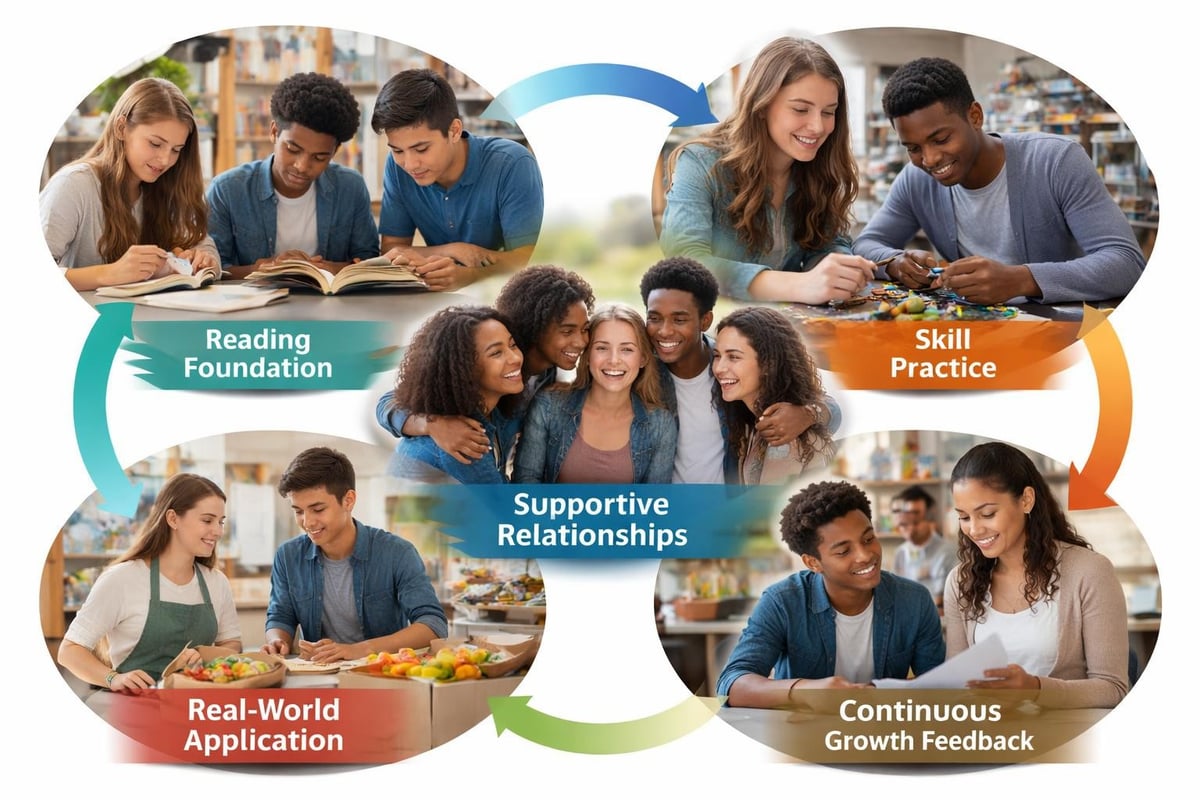
Books that increase confidence work best as part of a broader development strategy. While reading provides knowledge and inspiration, teenagers also need opportunities to practice new skills, receive feedback, and build supportive relationships that reinforce positive change.
Combining Reading With Action
The gap between knowing and doing often determines whether confidence-building efforts succeed or fail. After learning strategies from books, teenagers need structured opportunities to apply them in low-stakes environments before facing high-pressure situations.
This might involve:
- Role-playing social scenarios with family members
- Setting incremental challenges that build on book lessons
- Joining groups or activities that align with confidence goals
- Working with counselors or coaches who reinforce book concepts
- Creating accountability systems for practicing new behaviors
Building Support Networks
No teenager develops confidence in isolation. The most effective approaches involve parents, educators, and peers who understand and support the growth process. When multiple people in a teenager's life reinforce the same confidence-building principles, change accelerates and becomes more sustainable.
| Support Role | Key Contribution | Implementation Method |
|---|---|---|
| Parents | Emotional safety and encouragement | Regular check-ins about reading progress |
| Teachers | Academic confidence and skill validation | Classroom opportunities for practice |
| Peers | Social reinforcement and shared growth | Book clubs or discussion groups |
| Mentors | Real-world guidance and perspective | One-on-one conversations about applications |
The teen mental health resources that incorporate multiple support dimensions tend to produce the most dramatic confidence improvements because they address the multifaceted nature of adolescent development.
Measuring Progress and Adjusting Approaches
Confidence building is a journey, not a destination. Teenagers benefit from understanding how to recognize progress, celebrate improvements, and adjust their approach when certain strategies don't produce expected results. Books that increase confidence often include self-assessment tools, but external measurement strategies also prove valuable.
Recognizing Confidence Growth
Confidence improvements often appear subtly at first. Teenagers might notice they speak up more in class, feel less anxious before social events, or recover more quickly from setbacks. Tracking these small wins builds momentum and motivation for continued growth.
Practical measurement approaches include:
- Monthly self-assessments using confidence scales or questionnaires
- Behavioral tracking of specific confidence-related actions
- Feedback collection from trusted adults about observed changes
- Journal reviews comparing current thoughts to earlier entries
- Goal achievement records documenting completed challenges
Adapting Reading Selections
Different books resonate with different readers. If a teenager isn't connecting with a particular book or approach, that's valuable information rather than failure. The diverse range of self-improvement resources available today ensures that every teenager can find materials that match their learning style and interests.
Some readers respond better to workbook formats with interactive exercises. Others prefer narrative-driven content that tells compelling stories. Still others want dense, research-heavy texts that satisfy their intellectual curiosity. Experimenting with different formats and styles helps identify what works best for individual learners.
Addressing Common Obstacles and Resistance
Many teenagers initially resist reading books that increase confidence, viewing them as admitting weakness or accepting unwanted adult interference. Understanding and addressing these barriers respectfully increases the likelihood of engagement and benefit.
Overcoming Stigma
The self-help stigma remains strong among adolescents who fear being labeled as "broken" or "needing help." Reframing confidence-building books as performance enhancement tools rather than problem-solving resources can reduce resistance. Athletes read about sports psychology, musicians study performance techniques, and successful people constantly seek growth resources.
Normalizing personal development reading helps tremendously. When parents and educators openly discuss their own confidence-building efforts and the books that have helped them, teenagers recognize that growth is universal rather than remedial.
Managing Time and Competing Priorities
Busy teenagers juggle academic demands, extracurricular activities, social lives, and family responsibilities. Adding reading to this packed schedule can feel overwhelming. Setting realistic expectations about reading volume and duration prevents overwhelm and increases follow-through.
Practical scheduling strategies:
- Start with just 10-15 minutes daily rather than hour-long sessions
- Integrate reading into existing routines (before bed, during breakfast)
- Use audiobook versions during commutes or exercise
- Replace less valuable screen time with reading time
- Make reading a family activity that everyone participates in
The resources designed specifically for teenagers often come in digestible formats that respect the time constraints of modern adolescent life while still delivering meaningful content.
Special Considerations for Diverse Learners
Books that increase confidence should reflect the diversity of teenage experiences. Not every adolescent shares the same challenges, cultural background, or learning needs. Selecting inclusive, representative materials ensures all teenagers can see themselves in the content and benefit from the guidance offered.
Cultural Relevance and Representation
Teenagers engage more deeply with books featuring characters, examples, and perspectives that reflect their own identities and experiences. This doesn't mean every book must perfectly mirror a reader's background, but the overall collection should include diverse voices and perspectives.
Look for authors and examples representing various:
- Racial and ethnic backgrounds
- Family structures and socioeconomic situations
- Gender identities and expressions
- Abilities and neurodiversities
- Geographic and cultural contexts
Accommodating Different Learning Needs
Some teenagers struggle with traditional reading formats due to learning differences, attention challenges, or visual processing issues. Fortunately, confidence-building content now exists in multiple accessible formats including audiobooks, graphic novels, interactive digital platforms, and video-based courses.
| Learning Challenge | Alternative Format | Additional Support |
|---|---|---|
| Reading difficulties | Audiobooks or text-to-speech tools | Supplementary discussion guides |
| Attention challenges | Shorter, segmented content | Visual summaries and checklists |
| Processing issues | Graphic novels or illustrated guides | Hands-on activities and worksheets |
| Visual impairments | Audio formats or large-print editions | Tactile materials when applicable |
Maintaining Long-Term Confidence Growth
The benefits of books that increase confidence extend far beyond initial reading. However, sustaining growth requires ongoing engagement and periodic refreshers. Confidence isn't built once and forgotten-it requires continuous cultivation throughout adolescence and beyond.
Building a Personal Development Library
Creating a collection of confidence resources allows teenagers to revisit favorite sections, explore new topics as they mature, and share materials with friends facing similar challenges. A personal library becomes a reliable resource during difficult periods when confidence wavers.
This collection might include:
- Core foundational texts on general confidence building
- Specialized books addressing specific skills or challenges
- Inspirational memoirs and biographies
- Workbooks with exercises for active practice
- Reference materials on psychology and personal development
Developing Lifelong Learning Habits
The ultimate goal of introducing books that increase confidence isn't just immediate improvement-it's establishing patterns of continuous growth and self-improvement that last a lifetime. Teenagers who learn to seek knowledge, apply new strategies, and adjust their approaches based on evidence develop resilience that serves them well into adulthood.
Encouraging this mindset involves celebrating curiosity, supporting exploration of diverse topics, and modeling ongoing personal development. When teenagers see reading and growth as normal, ongoing activities rather than one-time fixes, they build sustainable confidence that adapts to new challenges.
The comprehensive approach found in specialized teen development programs demonstrates how structured support, quality materials, and ongoing guidance combine to create lasting transformation rather than temporary motivation.
Building confidence through reading offers teenagers a powerful pathway toward greater self-assurance, emotional resilience, and personal success. The right books provide knowledge, inspiration, and practical strategies that transform how young people view themselves and their capabilities. When combined with supportive relationships, structured practice, and ongoing reflection, reading becomes a catalyst for profound personal growth. Emmadavisbooks.com specializes in creating exactly these types of resources-guides, toolkits, and comprehensive materials designed specifically to help teenagers develop the confidence and life skills they need to navigate adolescence successfully. Explore the targeted resources available to support the teenagers in your life on their journey toward greater self-assurance and personal strength.