


9 Must-Read Mental Books to Transform Your Mindset in 2026
Imagine transforming your mindset and unlocking emotional resilience with just the turn of a page. In 2026, mental health and personal growth have never been more vital. This article spotlights 9 essential mental books designed to reshape thinking, strengthen resilience, and nurture a growth mindset. Expect a carefully curated, expert-approved list offering actionable insights and diverse perspectives. Ready to discover the power of reading for your own mental wellbeing? Dive in and explore the mental books that can change your life.
The Power of Mindset Transformation Through Reading
Reading has long been recognized as a catalyst for personal change. In 2026, the ability of mental books to transform our thinking and emotional resilience is more important than ever. By exploring the science and practical impact of these books, readers can unlock new pathways to growth and wellbeing.
The Science Behind Mindset Shifts
The influence of mental books on our brains is profound. Neuroscience shows that reading stimulates neuroplasticity, allowing our minds to form new connections and adapt to change. Research into bibliotherapy reveals that regular engagement with mental books can increase cognitive flexibility and emotional awareness.
A 2025 APA study found that 68 percent of readers of mental books reported greater emotional resilience and improved coping skills. Carol Dweck’s research highlights the difference between fixed and growth mindsets, with mental books playing a vital role in shifting perspectives. Real-life stories abound of individuals who, after reading key mental books, have overcome negative thought patterns and embraced personal growth.
Why 2026 Is a Pivotal Year for Mental Wellness
The year 2026 marks a turning point in how society approaches mental health and personal development. Mental books are at the forefront of this movement, as awareness of mental wellness continues to rise after the pandemic. Book sales in this genre are projected to grow by 12 percent, reflecting a global thirst for knowledge and support.
Schools and workplaces now integrate mental wellness discussions and recommend mental books as part of holistic programs. Popular media increasingly features mental health themes, helping to normalize conversations. These shifts make 2026 an ideal time to explore mental books for anyone seeking improved mindset and resilience.
How to Choose the Right Mental Book for You
Selecting the best mental books requires thoughtful consideration. Look for authors with credible backgrounds and content that is evidence-based and actionable. Relatable stories and diverse perspectives ensure the book resonates on a personal level.
Consider these tips when choosing:
- Check author credentials and reviews.
- Sample the first chapter for tone and style.
- Seek recommendations from trusted sources.
- Align your choice with your personal growth goals.
Reader testimonials and critical acclaim can also guide your decision, ensuring the mental books you select are both impactful and relevant.
| Selection Criteria | Why It Matters |
|---|---|
| Author Credibility | Ensures trustworthy advice |
| Diversity of Voices | Promotes inclusivity |
| Actionable Content | Facilitates real change |
| Testimonials/Reviews | Reflects reader impact |
The Role of Books in Building Emotional Resilience
Mental books are powerful tools for developing emotional resilience. They offer frameworks for self-reflection, coping strategies, and practical exercises such as cognitive behavioral therapy (CBT), mindfulness, and journaling prompts. Many individuals credit mental books with helping them manage anxiety, depression, and self-doubt.
Therapists and educators agree that mental books can complement professional support. In fact, a systematic review demonstrates a strong correlation between resilience and mental health outcomes, especially in young people. By providing accessible guidance, mental books empower readers to build lasting skills for emotional wellbeing.
9 Must-Read Mental Books to Transform Your Mindset in 2026
Are you ready to reshape your mindset, boost your resilience, and discover the transformative power of mental books? The right book can offer new perspectives, practical tools, and the encouragement needed for lasting personal growth. In 2026, the demand for mental books is higher than ever, and each of the following nine titles stands out for its unique approach to mental wellness.
Whether you are seeking guidance for yourself, supporting a loved one, or striving to foster a growth mindset, these mental books deliver diverse, expert-backed insights. Let’s explore the must-read mental books that can ignite real change in your life.
1. First, We Make the Beast Beautiful: A New Journey Through Anxiety by Sarah Wilson
Sarah Wilson’s “First, We Make the Beast Beautiful” is a standout among mental books for anyone navigating anxiety. Priced at $28.99 for hardcover, this deeply personal memoir blends Eastern and Western philosophies, offering practical strategies rooted in lived experience.
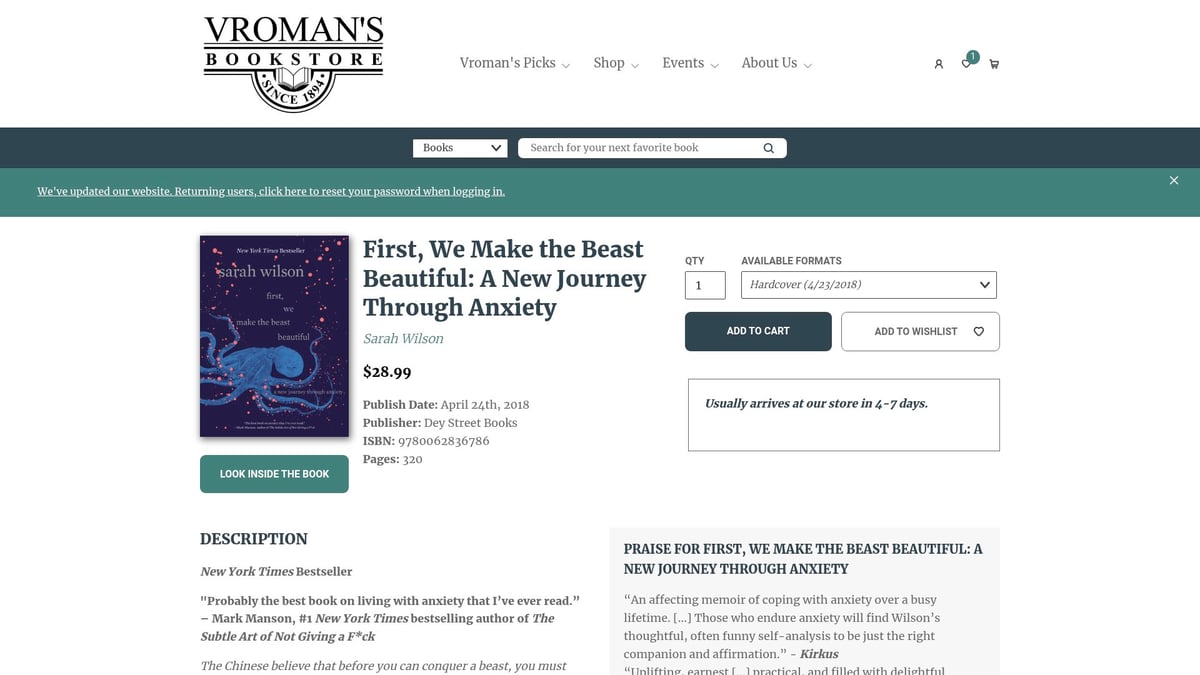
The book reframes anxiety not as a flaw, but as a potential source of strength. Wilson’s honest storytelling makes complex emotions accessible, helping readers find hope and actionable exercises for daily life. The holistic approach is a key reason this title is considered among the most influential mental books of the decade.
Mark Manson, bestselling author, calls it “the best book on living with anxiety.” While less structured than clinical guides, its compassion and relatability set it apart. For readers seeking a transformative journey through anxiety, this is an essential addition to any mental books collection.
2. The Noonday Demon: An Atlas of Depression by Andrew Solomon
“The Noonday Demon” by Andrew Solomon is a cornerstone in the realm of mental books focused on depression. At $22.99 (paperback), it delivers a comprehensive exploration of depression through scientific research, personal memoir, and powerful interviews.
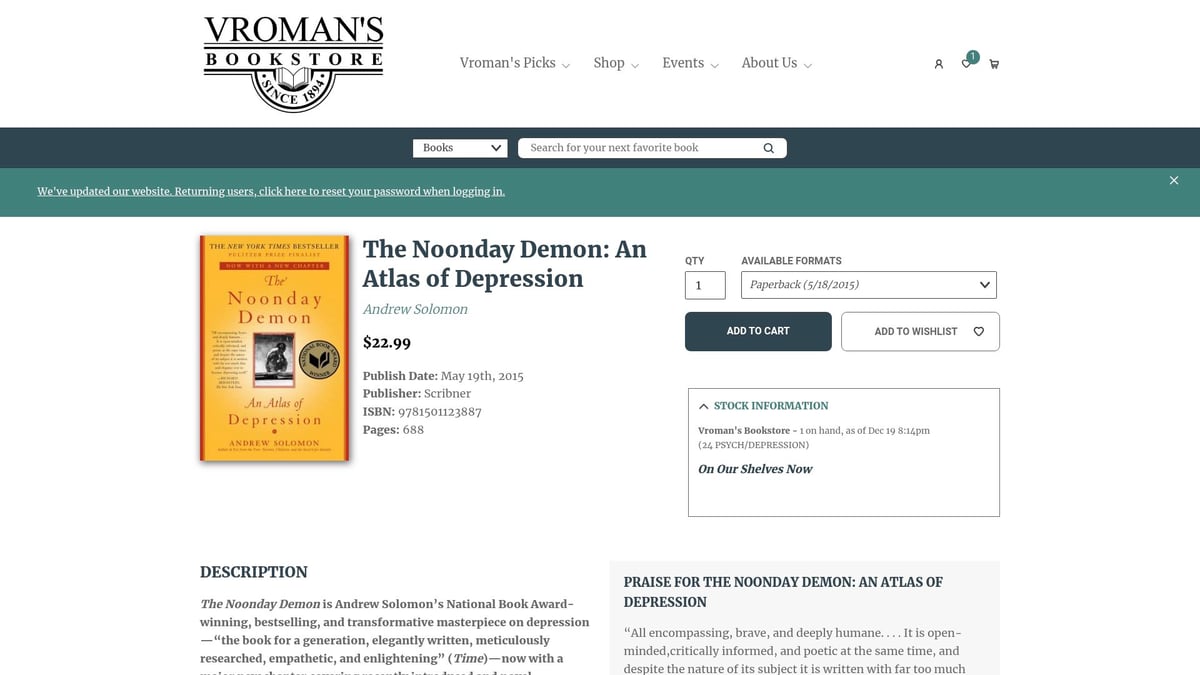
This book destigmatizes depression by offering a multifaceted understanding of the condition. It provides resources for both sufferers and supporters, making it invaluable for a wide audience. As one of the most thorough mental books, it’s praised for its empathy and depth, though its length may be challenging for some.
Winner of the National Book Award and lauded by TIME as “the book for a generation,” Solomon’s work balances memoir with investigative journalism. Anyone seeking an in-depth look at depression’s complexities will find this a must-read among mental books.
3. The Collected Schizophrenias: Essays by Esmé Weijun Wang
Esmé Weijun Wang’s “The Collected Schizophrenias” brings a fresh voice to mental books through a collection of essays on living with chronic mental illness. Priced at $18.00, this winner of the Graywolf Press Nonfiction Prize shines a light on misunderstood conditions.
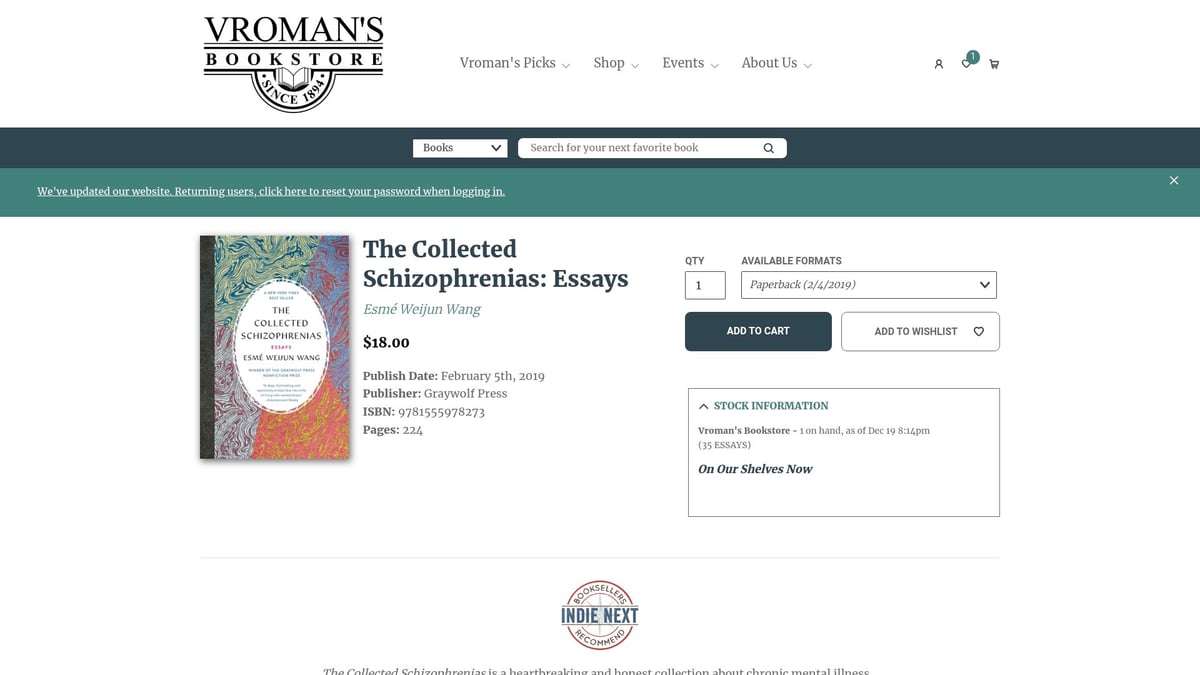
Wang challenges stigma by sharing direct, intimate experiences with honesty and literary grace. Her work is often cited in mental health curriculums for its authenticity, making it a vital resource within the world of mental books.
The prose is beautiful and the insights are honest, though the emotional intensity may be demanding for some readers. For those seeking nuanced perspectives on mental health, this book stands out for its ability to foster empathy and understanding, further cementing its place among essential mental books.
4. Hyperbole and a Half: Unfortunate Situations, Flawed Coping Mechanisms, Mayhem, and Other Things That Happened by Allie Brosh
Allie Brosh’s “Hyperbole and a Half” offers a refreshing take on mental books by blending humor, illustrated essays, and relatable stories about depression and resilience. With a price tag of $22.00 (paperback), it’s an accessible, engaging read for many.
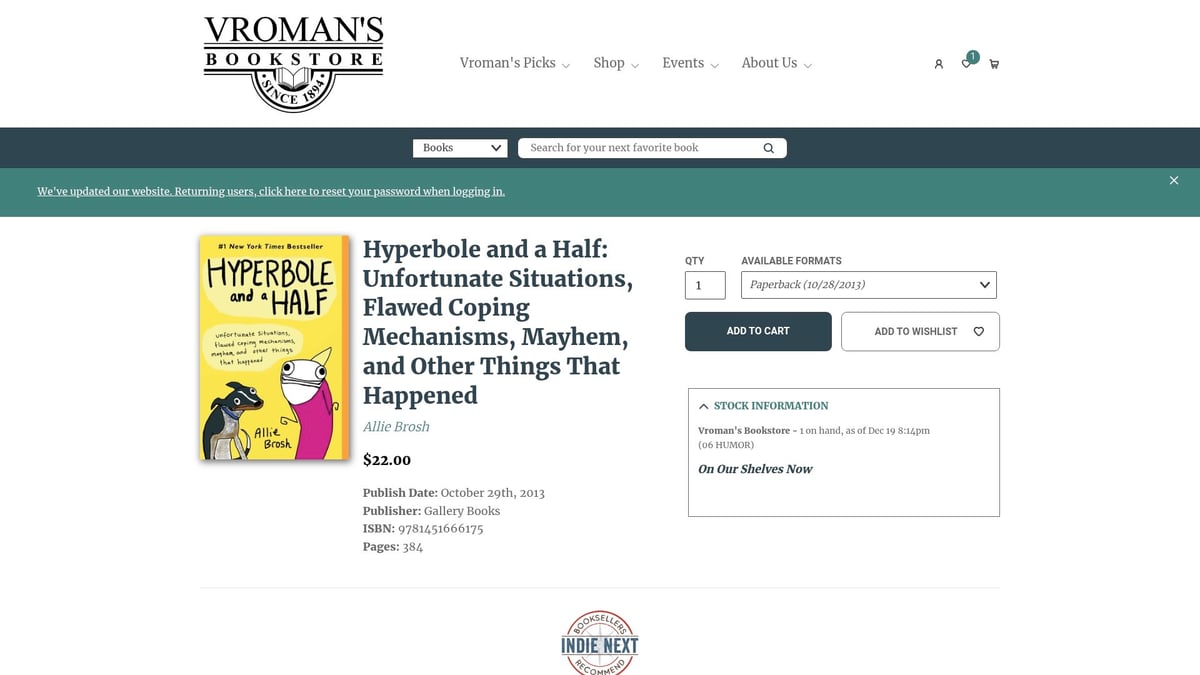
This book makes mental health approachable by using humor to break down barriers, making it highly effective for teens and young adults. Brosh’s unique combination of comics and narrative sets it apart from traditional mental books, offering a fresh and memorable impact.
Endorsed by Bill Gates for its wit and insight, the book may offer less clinical advice, but its relatable storytelling makes it a top choice for readers who want to see mental health addressed in a new light. For anyone seeking mental books that use laughter as a bridge, this is a must-have.
5. Turtles All the Way Down by John Green
John Green’s “Turtles All the Way Down” is a groundbreaking addition to mental books, especially for young adults. Priced at $14.99, this novel explores obsessive-compulsive disorder (OCD) and anxiety through the eyes of a compelling protagonist.
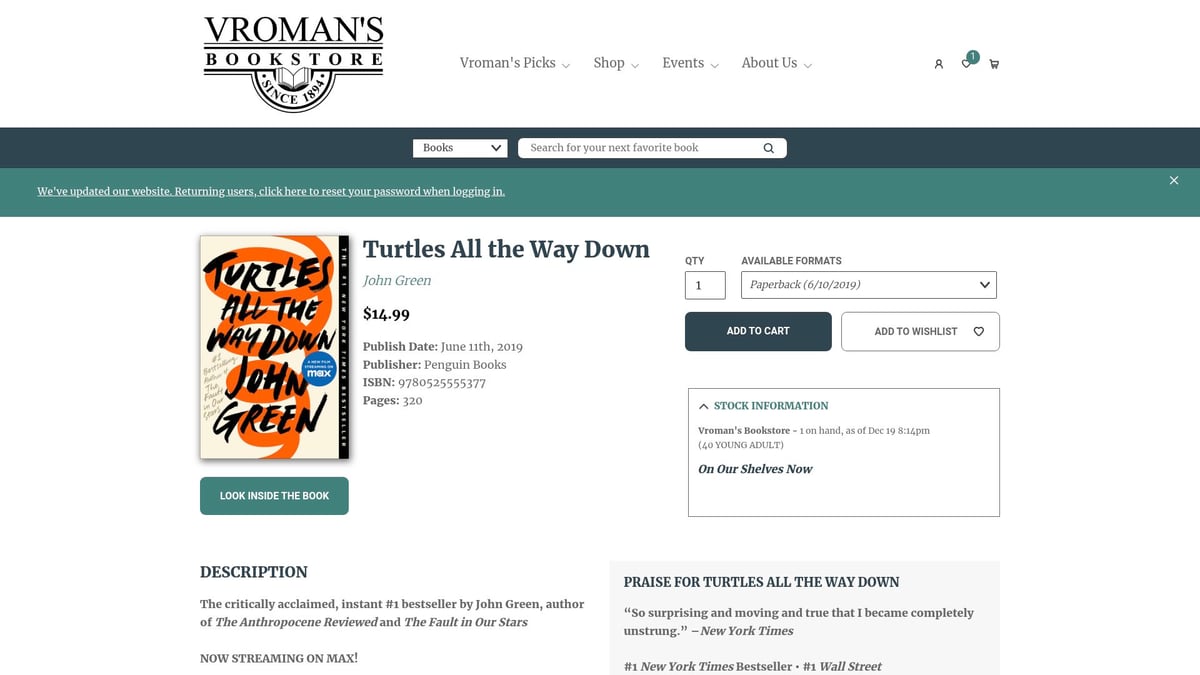
This book destigmatizes mental illness in youth, encouraging empathy and understanding in a format that is both relatable and critically acclaimed. While fictional and not a self-help guide, it remains a staple among mental books for its authenticity and emotional resonance.
As a #1 bestseller, “Turtles All the Way Down” is praised for its honest portrayal of mental health struggles. It’s an ideal choice for teens, parents, and educators seeking mental books that foster open dialogue and compassion.
6. The Hilarious World of Depression by John Moe
For readers in search of mental books that address serious topics with levity, “The Hilarious World of Depression” by John Moe is essential. At $27.99 (hardcover), this memoir incorporates humor and interviews with celebrities to reduce stigma and encourage open conversations.
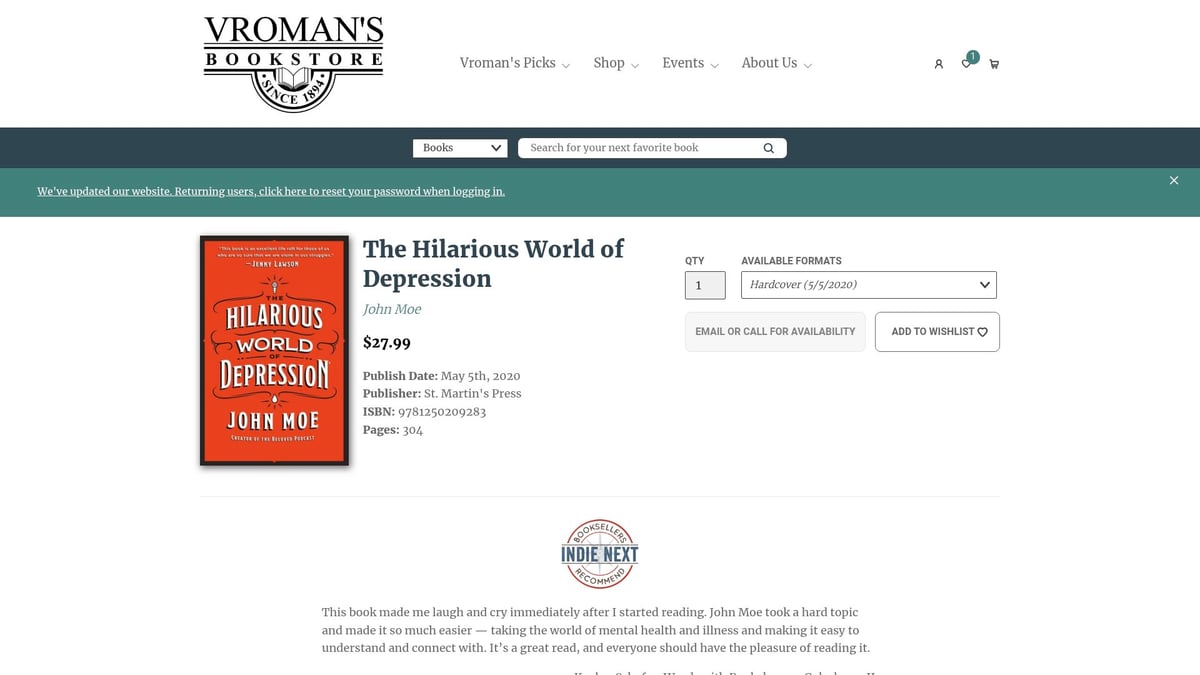
The book is based on Moe’s acclaimed podcast, offering hope and insight through laughter and storytelling. Its focus on depression may not cover all conditions, but its unique approach distinguishes it from other mental books.
Praised by The New York Times, Moe’s work uses humor as a tool for healing, making it approachable for adults and podcast fans. For anyone wanting mental books that blend humor with practical advice, this title is a standout.
7. Darius the Great Is Not Okay by Adib Khorram
Adib Khorram’s “Darius the Great Is Not Okay” expands the landscape of mental books by exploring depression, cultural identity, and family in a young adult novel. At $12.99 (paperback), it represents diverse voices and is especially relatable to multicultural readers.
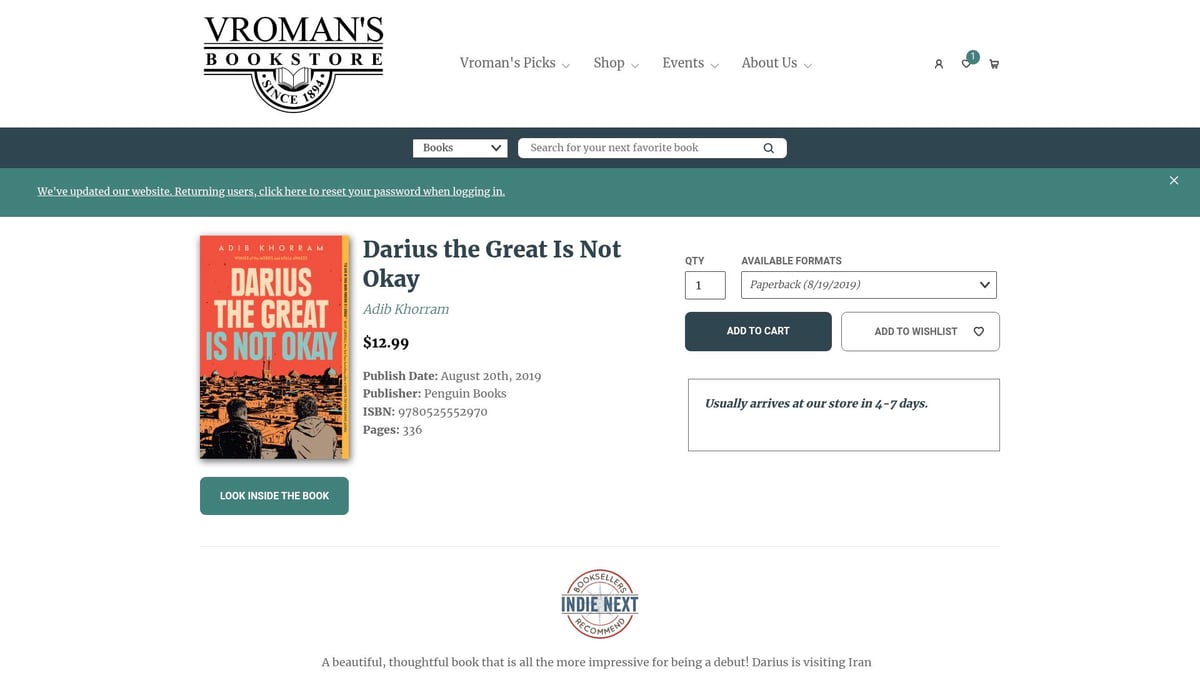
Winner of the William C. Morris Debut Award, this heartfelt story addresses mental health at the intersection of identity, making it one of the most important mental books for teens and young adults. Its fictional nature means it’s not a manual, but its emotional depth resonates widely.
For readers navigating identity and mental health, this book stands out among mental books for its authenticity and inclusivity. It’s a recommended read for those seeking stories that reflect real-world diversity and challenges.
8. The Weight of Our Sky by Hanna Alkaf
“The Weight of Our Sky” by Hanna Alkaf is a powerful addition to mental books, combining YA historical fiction with a protagonist facing OCD during the 1969 Kuala Lumpur riots. Priced at $19.99 (hardcover), it offers a culturally rich, intense narrative.
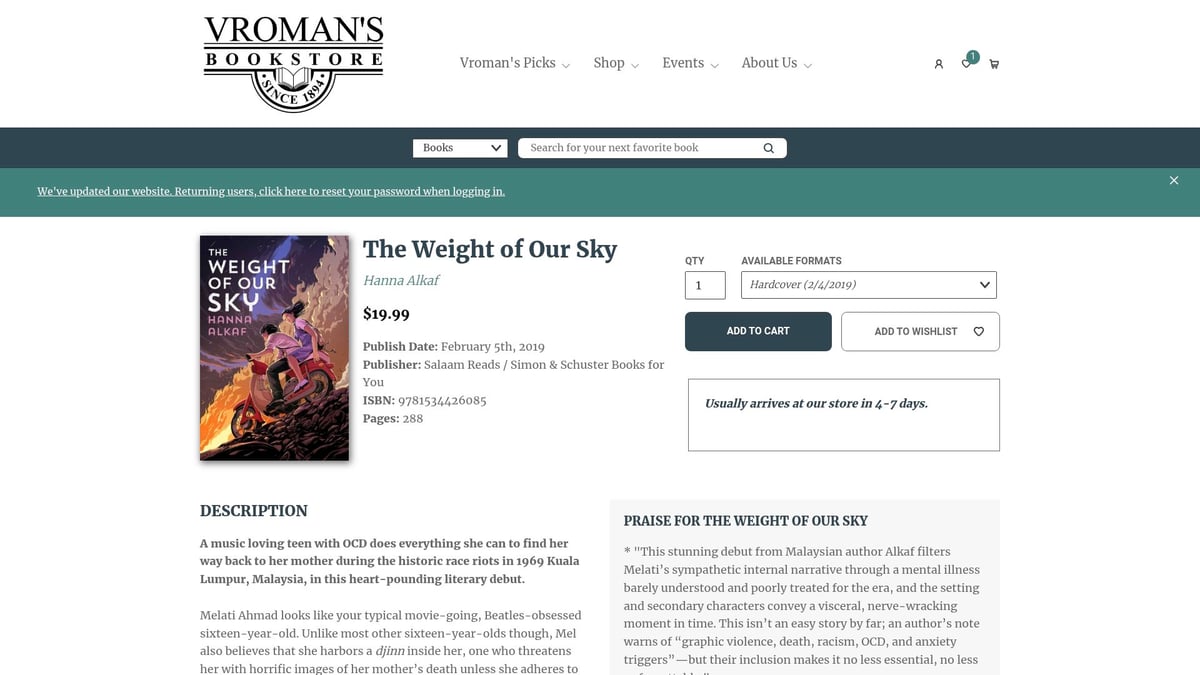
This book sheds light on OCD and resilience in the face of adversity, providing valuable cultural context that sets it apart from other mental books. It’s used in classrooms to discuss both mental health and history, expanding its impact.
While the historical context may require some background for readers, its unique blend of mental health exploration and historical fiction makes it a vital resource. For anyone interested in mental books that broaden perspectives, Alkaf’s work is essential.
9. The Place Between Breaths by An Na
An Na’s “The Place Between Breaths” is a poetic exploration of schizophrenia and family, solidifying its place among the top mental books for 2026. At $10.99 (paperback), it uses lyrical writing to humanize schizophrenia and encourage compassion.
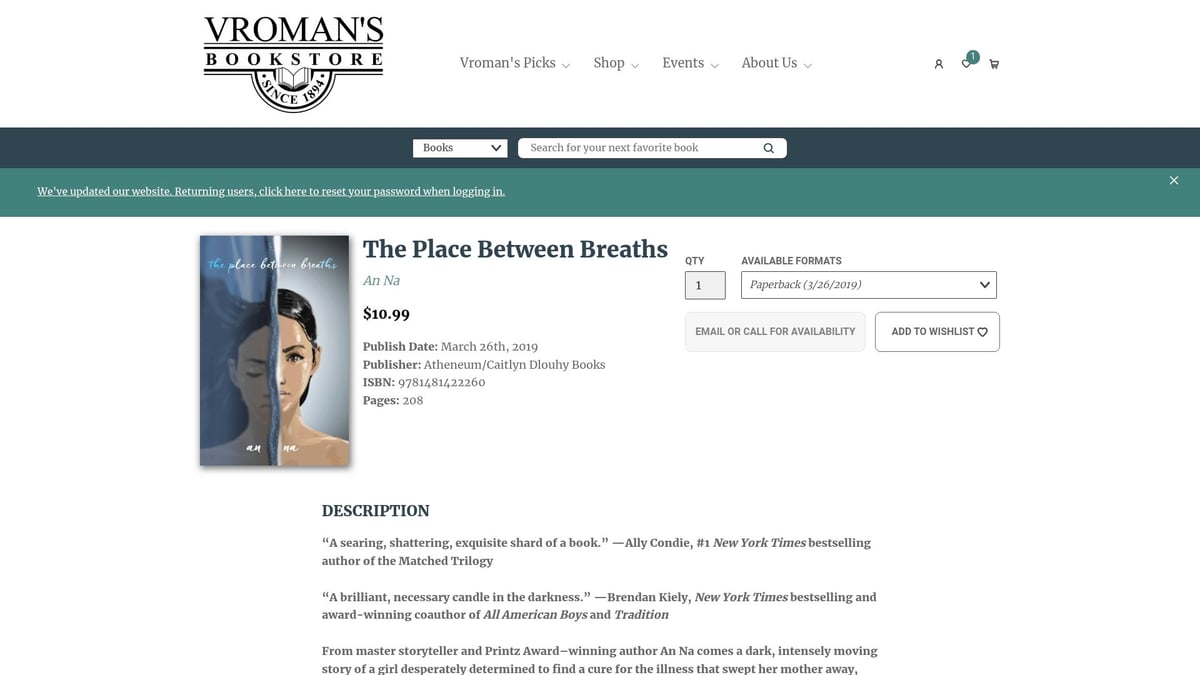
The book’s emotional depth and non-linear narrative offer a unique reading experience, praised by authors like Ally Condie for its impact. As one of the few mental books focusing on hope and healing amidst mental health challenges, it is particularly suited for teens and families.
For literary readers and those affected by mental illness, this title is a valuable addition to any collection of mental books. Its focus on empathy and healing makes it a lasting resource for personal growth.
How to Get the Most Out of Mental Health Books
Reading mental books can be life-changing, but to truly benefit, it's important to approach them with intention. A thoughtful reading strategy helps you absorb lessons, apply advice, and build lasting resilience. Here are four practical ways to maximize the impact of mental books on your personal growth.
Building an Effective Reading Practice
Before diving into mental books, set a clear intention for your reading journey. Are you seeking personal growth, understanding a loved one's experience, or developing new coping skills? Clarifying your goal shapes your focus.
Schedule regular reading sessions, even if they're brief. Consistency helps you retain insights and build a habit. Many readers find that taking notes or highlighting passages deepens understanding. Pairing your reading with journaling, as highlighted in the Resonance: AI-Augmented Journaling Study, can enhance retention and encourage self-reflection.
Tips for effective practice:
- Set a reading intention for each session
- Read at the same time each day
- Keep a journal to track insights
By developing a mindful reading practice, you unlock the full power of mental books.
Applying Lessons to Everyday Life
Mental books offer more than wisdom, they provide actionable steps. To see real change, apply what you learn to your daily life. Start by integrating exercises from your chosen book, such as gratitude journaling or mindfulness routines.
Share insights with friends, family, or support groups. This not only reinforces your learning but also fosters accountability. Many mental books come with checklists or worksheets—use these tools to turn advice into habits.
Schools and organizations sometimes use mental books as foundations for workshops, showing how literature can be a springboard for community-wide growth.
When you actively practice lessons from mental books, transformation becomes sustainable and meaningful.
Combining Books with Professional Support
While mental books are valuable, they are not a substitute for professional care. Recognizing when to seek guidance from a therapist or counselor is crucial, especially if you face persistent challenges.
Use mental books as supplements to therapy, not replacements. Many titles include resource lists or prompts designed to complement professional support. According to recent data, 67 percent of therapists recommend mental books as adjunct tools for their clients.
If a book's content resonates deeply or evokes strong emotions, consider discussing it with a trusted expert. This collaborative approach maximizes healing and growth.
Creating a Supportive Reading Community
Engaging with a community can amplify the benefits of mental books. Join or start a book club focused on mental wellness, or participate in online forums where people discuss literature and share personal experiences.
A supportive group provides encouragement, diverse perspectives, and collective wisdom. For example, communities have formed around popular mental health podcasts and books, helping members feel less isolated.
By connecting with others who value mental books, you foster accountability and find motivation to continue your journey. Shared reading can transform individual insights into collective empowerment.
The Future of Mental Health and Mindset Literature
As we look ahead, mental books are evolving rapidly to meet the needs of a changing world. The landscape in 2026 is shaped by technology, inclusivity, and new ways to foster personal growth. Readers can expect more engaging and accessible options than ever before.
Emerging Trends in 2026
The next wave of mental books is defined by interactivity and personalization. Publishers are launching titles with companion apps, guided audio, and reflective journaling features. This year, representation is a clear priority, as more BIPOC and LGBTQ+ authors share their perspectives on mental wellness.
AI-driven recommendations are making it easier to find mental books that align with individual needs. For instance, Penguin Random House has announced a 2026 initiative focused on inclusive mental health titles, ensuring every reader can see themselves reflected in the literature. These trends are reshaping how readers engage with and benefit from mental books.
The Impact of Diverse Narratives
Diverse voices in mental books are breaking barriers and building empathy. When readers see their experiences mirrored in stories, engagement rises and stigma falls. Marginalized groups, in particular, benefit from narratives that validate their journeys.
A powerful case study is "The Weight of Our Sky," which brought cultural context and OCD into classrooms, inspiring honest conversations. Resources like the Best Books for Teens list help spotlight titles that represent a wide range of backgrounds, making mental books more accessible and influential for young readers.
The Role of Technology in Mental Health Reading
Technology is transforming how people access and interact with mental books. E-books now often include built-in journaling tools, while audiobooks and podcasts provide flexible options for busy lives. Statistics show that by 2026, 38 percent of readers choose digital formats for their mental books, reflecting a shift toward convenience and inclusivity.
This digital evolution means anyone can engage with mental books in the format that suits them best. Enhanced features, such as interactive prompts or audio reflections, deepen understanding and retention for all types of learners.
Recommendations for Lifelong Mindset Growth
Fostering a growth mindset is a lifelong journey. Readers are encouraged to continually seek out new mental books as the field expands. Revisiting foundational works can reinforce learning, while exploring new voices broadens perspective.
Parents and educators play a key role in introducing mental books to younger generations, ensuring that mindset growth starts early. For ongoing development, curated resources like the Mindset Books Collection offer updated selections tailored to evolving needs. Pairing reading with self-reflection and community discussion creates a well-rounded approach to mental wellness.
As you explore these powerful books and the science-backed strategies they offer, remember that meaningful change comes from taking the first step. If you’re ready to put these mindset shifts into action and want even more guided resources to support your journey, you don’t have to do it alone. With expert-developed tools designed specifically for teens and those supporting them, you can build confidence, resilience, and essential life skills for lasting growth. Let’s take what you’ve learned and move forward together—Start the Growth Pack and unlock practical strategies for a stronger mindset in 2026.