


7 Must-Read Mind Books to Expand Your Thinking in 2026
In today’s fast-paced world, the ability to expand your thinking is vital for both personal and professional growth. The right mind books have the power to challenge your assumptions, ignite creativity, and help you view the world—and yourself—from new angles.
This article explores seven essential mind books for 2026, each carefully selected to broaden your perspective, build mental resilience, and spark transformative thinking. Prepare to discover titles that promise to stretch your mind, deepen your understanding, and inspire lasting change.
Are you ready to take your curiosity further and add these groundbreaking reads to your list? Let the journey begin.
Why Mind Books Matter for Personal Growth
Expanding your horizons starts with the right information, and mind books are powerful engines for personal growth. Whether you want to sharpen your thinking, build emotional intelligence, or adapt to a fast-changing world, these books provide essential tools for transformation.
The Science Behind Reading and Cognitive Expansion
Reading mind books activates more than just your imagination. Studies show that reading strengthens neural connections and boosts empathy by exposing you to different perspectives. One striking statistic reveals that reading for just six minutes can reduce stress by 68 percent, as highlighted in Reading for 6 minutes reduces stress by 68%.
When you engage with mind books, you challenge your assumptions and build new mental pathways. This rewiring supports critical thinking and enhances your ability to solve complex problems. For example, readers who explored books on cognitive bias reported a noticeable shift in how they approached daily decisions.
Many individuals have transformed their outlook after reading influential mind books. They gain not only knowledge, but also the capacity to reflect and adapt in challenging situations.
Mind Books as Tools for Emotional Intelligence
Mind books also serve as invaluable guides for emotional growth. Research indicates that regular reading can improve emotional regulation, helping you respond thoughtfully rather than react impulsively.
Titles like “The Body Keeps the Score” offer deep insight into trauma and its impact on both mind and body. Through compelling stories and real-life case studies, mind books foster greater self-awareness and compassion.
Modern mind books often include reflection prompts and practical exercises. These features encourage readers to process emotions and develop healthier coping strategies. As a result, mind books help you become more attuned to your feelings and those of others.
The Role of Mind Books in a Digital Age
In today's digital landscape, deep reading is increasingly rare. Mind books provide a much-needed antidote to surface-level scrolling and information overload.
Unlike brief online articles, mind books encourage sustained focus and critical engagement. Recent data shows that interest in psychology and self-help genres is on the rise, indicating that more people are seeking depth and meaning in their reading choices.
By immersing yourself in mind books, you learn how to navigate complex situations and uncertainty. These books offer frameworks and stories that help readers make sense of chaos and build resilience in a noisy world.
7 Must-Read Mind Books to Expand Your Thinking in 2026
In an era defined by rapid change, the right mind books can act as catalysts for personal growth and breakthrough thinking. Whether you seek to challenge assumptions, cultivate resilience, or unlock new levels of creativity, carefully selected mind books offer tools and insights to guide your journey. Here are seven essential mind books for 2026, each chosen to broaden your horizons and inspire transformative action.
1. Thinking, Fast and Slow by Daniel Kahneman
Few mind books have had as profound an impact on our understanding of decision-making as Daniel Kahneman’s "Thinking, Fast and Slow." This foundational work explores the dual-system theory, illustrating how our minds operate with both instinctive (fast) and deliberate (slow) thinking processes.
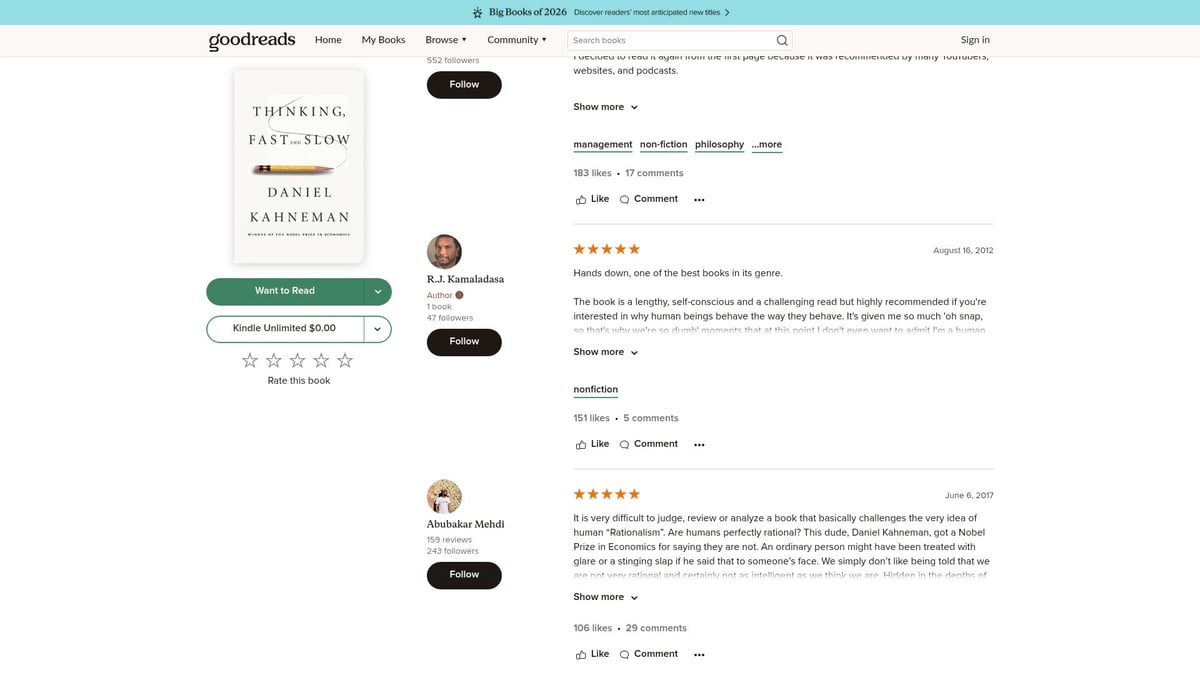
Kahneman uses real-world examples to reveal how cognitive biases influence everyday choices. His Nobel Prize-winning research underpins the book, making it a frequently cited resource in behavioral economics and psychology. For readers eager to understand their own thought patterns, this book is a must.
Key features include:
- Dual-system thinking explained clearly
- Numerous case studies and experiments
- Practical applications for business and personal life
Benefits of this mind book extend to enhanced critical thinking and more informed decision-making. While some sections can be dense, the insights are invaluable for anyone aiming to avoid common mental pitfalls.
For example, Kahneman demonstrates how quick judgments in high-pressure situations may lead to errors in business negotiations or personal relationships. This mind book is essential for those who want to recognize and overcome their own biases.
2. Atomic Habits by James Clear
"Atomic Habits" stands out among mind books for its actionable approach to behavior change. James Clear breaks down the science of habits into a simple four-step loop, making the process both accessible and practical.

The book introduces concepts like habit stacking and incremental improvement, supported by success stories from various fields. Clear’s framework empowers readers to build positive routines and eliminate unproductive behaviors.
Core features of this mind book:
- The habit loop: cue, craving, response, reward
- Practical exercises for habit tracking
- Techniques for overcoming obstacles and setbacks
The benefits are clear: with consistent application, readers can make meaningful, lasting changes. While some may find the repetition of ideas unnecessary, the clarity and usefulness of the guidance are undeniable.
A standout example is the idea that making a habit just 1% better each day can lead to dramatic transformation over time. This mind book is perfect for those seeking a realistic path to self-improvement.
3. Man’s Search for Meaning by Viktor E. Frankl
Viktor E. Frankl’s "Man’s Search for Meaning" is a powerful blend of memoir and psychological insight. This mind book draws on Frankl’s experiences as a Holocaust survivor to explore how finding purpose can help individuals endure even the most challenging circumstances.
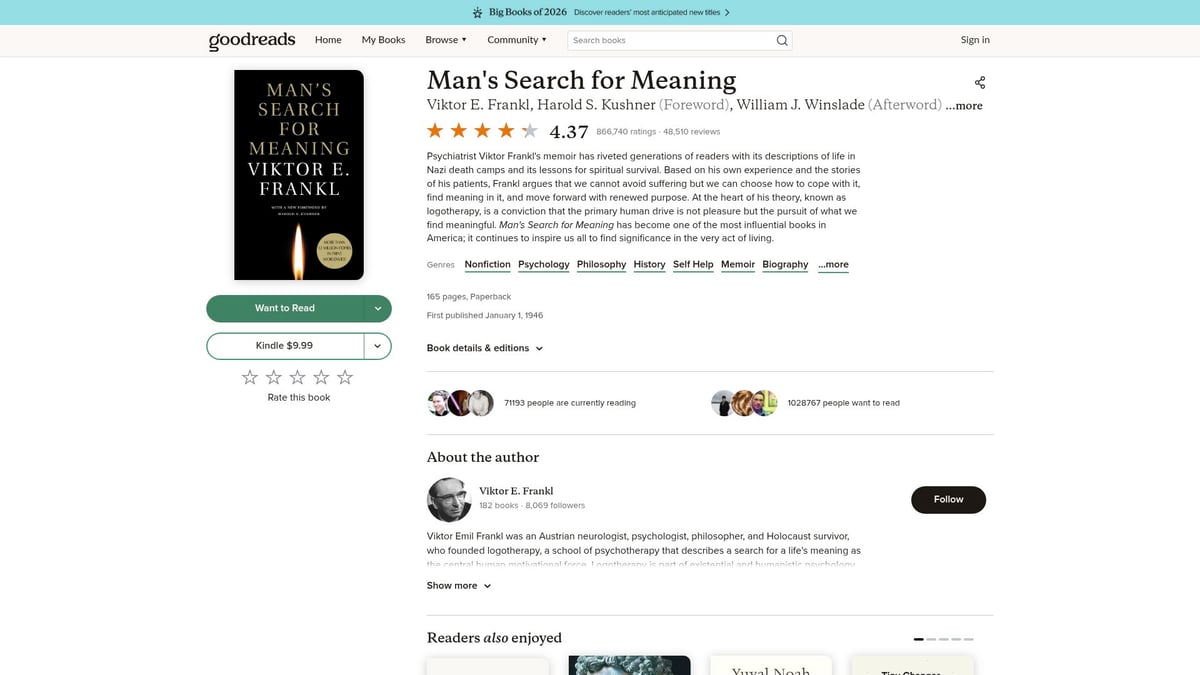
Central to the book is logotherapy, a therapeutic approach focused on meaning as the primary driver of human motivation. Frankl weaves philosophical reflections with practical lessons, making the material accessible and deeply moving.
Key features:
- Personal narrative of survival and hope
- Introduction to logotherapy principles
- Reflections on suffering, resilience, and growth
The benefits of this mind book include fostering a sense of hope, encouraging self-reflection, and building resilience. Some readers may find the emotional content intense, but the universal relevance and depth of wisdom are unmatched.
Frankl’s story illustrates how even in the darkest times, individuals can find meaning and transform their outlook. This mind book resonates with anyone seeking deeper purpose or confronting adversity.
4. Mindset: The New Psychology of Success by Carol S. Dweck
Carol S. Dweck’s "Mindset" is a pioneering mind book that explores the difference between “fixed” and “growth” mindsets. Drawing from decades of research, Dweck reveals how our beliefs about intelligence and ability shape our success in learning, work, and life.

The book is filled with real-life applications, from classrooms to corporate offices. Dweck’s practical strategies help readers shift toward a growth mindset, unlocking new potential and adaptability.
Notable features:
- Research-backed insights into mindset theory
- Strategies for developing a growth mindset
- Examples from sports, education, and business
This mind book’s key benefit is its encouragement of lifelong learning and adaptability. While some critics argue that the book simplifies complex issues, its actionable advice is widely embraced.
For those interested in expanding their collection of mind books, the Mindset books collection offers additional resources for personal growth and transformation.
Consider how adopting a growth mindset can lead to greater achievement, whether in academics or overcoming professional setbacks. This mind book is ideal for students, professionals, parents, and educators alike.
5. The Body Keeps the Score by Bessel van der Kolk
"The Body Keeps the Score" is a landmark mind book on trauma and healing. Bessel van der Kolk, a renowned psychiatrist, delves into the neurobiology of trauma, illustrating how past experiences can shape both mind and body.
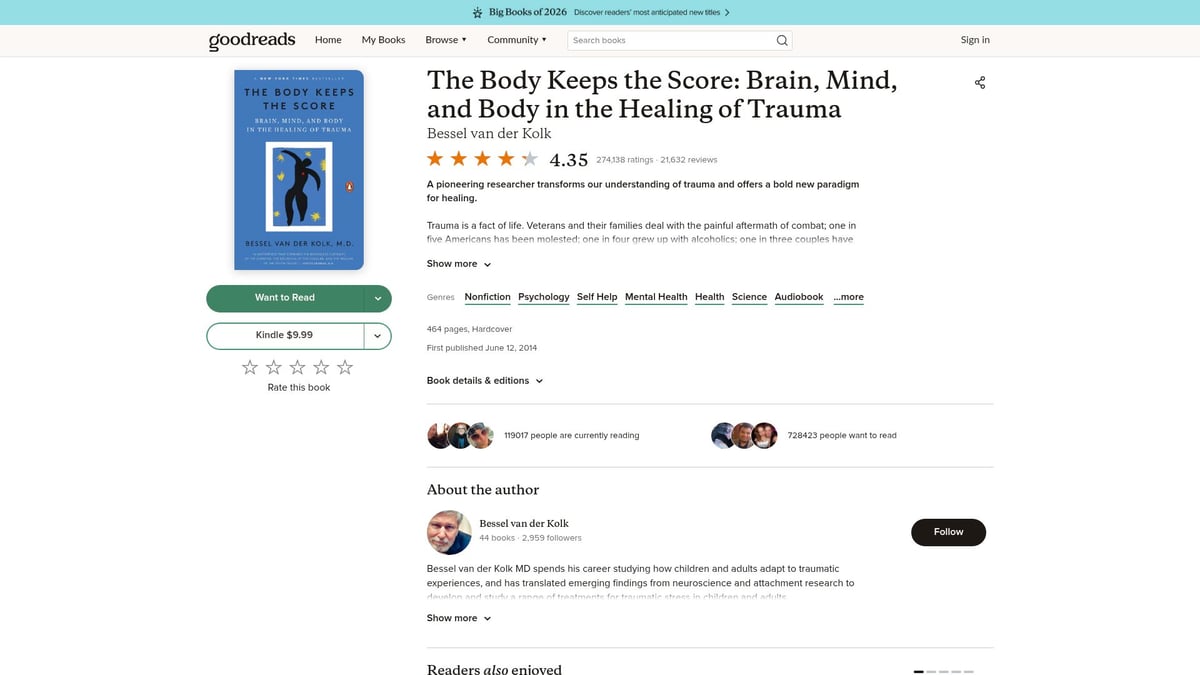
Through compelling case studies and scientific explanation, the book offers readers a comprehensive understanding of trauma’s impact and the paths to recovery. It integrates neuroscience, psychology, and patient stories for a holistic perspective.
Core features:
- Detailed exploration of trauma’s physical effects
- Therapeutic approaches for healing
- Real-life stories of recovery and resilience
This mind book’s benefits include increased awareness of the mind-body connection and practical strategies for healing. Some may find the clinical language challenging, but the compassionate approach makes complex concepts accessible.
For example, van der Kolk explains how trauma can alter brain function, yet also highlights evidence-based therapies that promote recovery. This mind book is a vital resource for trauma survivors, mental health professionals, or anyone interested in understanding emotional well-being.
6. How to Change Your Mind by Michael Pollan
Michael Pollan’s "How to Change Your Mind" is an investigative mind book that explores the science and history of psychedelics in mental health treatment. Pollan combines personal narrative, interviews with researchers, and a broader cultural context to challenge assumptions and spark curiosity.

This mind book stands out for its blend of memoir and science journalism. Pollan addresses the stigma around psychedelics, presenting data and firsthand experiences that highlight their potential for mental expansion.
Key features:
- In-depth interviews with leading scientists
- Historical overview of psychedelic research
- Personal accounts of guided experiences
The benefits of this mind book include broadening perspectives on mental health and introducing new possibilities for therapeutic breakthroughs. The subject matter may be controversial, but Pollan’s balanced and engaging approach encourages open-minded exploration.
For example, the book describes how guided psychedelic sessions can help shift entrenched thought patterns, offering hope for those with treatment-resistant conditions. This mind book is ideal for readers interested in alternative therapies or cutting-edge psychological research.
7. The Power of Habit by Charles Duhigg
Charles Duhigg’s "The Power of Habit" is an essential mind book for anyone interested in the science of change. Duhigg explains the habit loop—cue, routine, reward—and shows how habits shape individuals, companies, and societies.
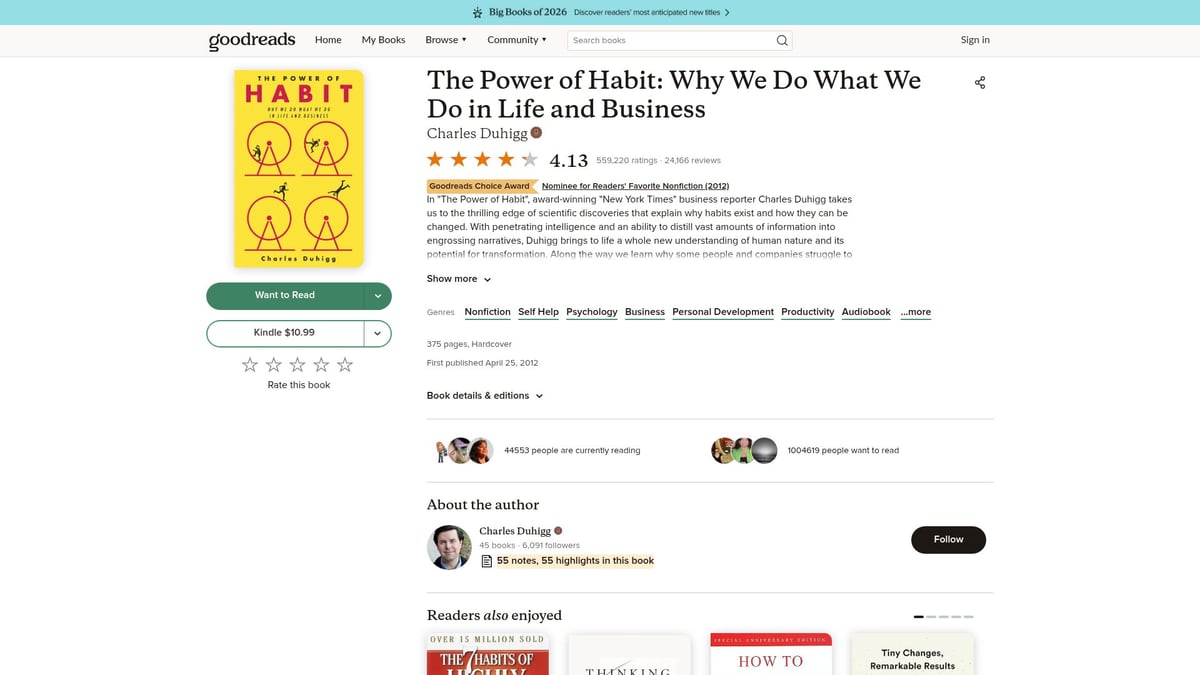
The book features compelling examples from both personal life and major organizations. Duhigg offers practical advice for identifying and reshaping habits, making the concepts widely applicable.
Main features:
- Clear explanation of the habit loop
- Case studies from business and daily life
- Strategies for personal and organizational change
This mind book’s benefits include actionable steps for breaking bad habits and building positive routines. Some content overlaps with other habit-focused mind books, but the broad perspective is valuable.
For instance, Duhigg reveals how companies like Starbucks use habit science to create supportive work cultures. This mind book is perfect for leaders, professionals, and anyone committed to continuous self-improvement.
Comparison Table: 7 Must-Read Mind Books
| Book Title | Author | Core Focus | Ideal Reader |
|---|---|---|---|
| Thinking, Fast and Slow | Daniel Kahneman | Decision-making, Biases | Critical Thinkers |
| Atomic Habits | James Clear | Habit Formation | Self-Improvers |
| Man’s Search for Meaning | Viktor E. Frankl | Purpose, Resilience | Purpose Seekers |
| Mindset | Carol S. Dweck | Growth Mindset | Learners, Leaders |
| The Body Keeps the Score | Bessel van der Kolk | Trauma, Healing | Mental Health Focus |
| How to Change Your Mind | Michael Pollan | Psychedelics, Expansion | Explorers |
| The Power of Habit | Charles Duhigg | Habit Science | Change Agents |
Choosing the right mind books can be transformative, whether you are seeking to break old patterns, build resilience, or simply see the world with new eyes. These seven mind books offer a diverse range of insights, ensuring there is something for every reader ready to expand their thinking.
How to Get the Most from Mind Books
Unlocking the full potential of mind books goes beyond simply turning pages. To truly benefit, readers must approach these transformative works with intention and strategy. By adopting proven techniques, you can ensure that every encounter with mind books deepens your understanding and sparks real change.
Active Reading Strategies for Deeper Insight
Active engagement is essential when reading mind books. Annotating margins, underlining key passages, and jotting down thoughts in a dedicated journal can significantly improve comprehension. These practices encourage you to interact with the text, question assumptions, and connect new ideas to your experiences.
Research shows readers who actively engage with mind books retain up to 30 percent more information than passive readers. Marking thought-provoking sections or summarizing chapters in your own words helps solidify lessons. Consider referring to systematic reviews, such as the Reading intervention and neuroplasticity: A systematic review, which highlight how such strategies can lead to real changes in brain structure and function over time.
Reflection is another vital step. Pause after each chapter to consider what resonated with you or challenged your perspectives. Writing down action steps or personal applications ensures that the wisdom from mind books translates into growth.
Building a Mind Book Reading Routine
Consistency is the key to making lasting progress with mind books. Setting realistic goals, such as reading for 20 minutes each day, can help build momentum. Pairing reading sessions with daily routines, like morning coffee or evening wind-down time, turns learning into a sustainable habit.
Joining book clubs or online communities fosters accountability and enriches your experience. Group discussions can expose you to new interpretations and motivate you to stay on track. Many readers find success by participating in challenges like the Goodreads Reading Challenge, or by exploring resources such as this Self-improvement books PDF guide for curated recommendations.
Track your progress in a reading journal, noting what you learn from each mind book. This not only helps with reflection but also creates a personalized roadmap for future growth.
Integrating Mind Book Lessons into Daily Life
The impact of mind books grows when lessons are woven into everyday actions. Habit stacking—pairing reading insights with existing routines—can reinforce new behaviors. For example, after finishing a chapter, share a key takeaway with a friend or colleague to deepen your understanding.
Revisiting and re-reading impactful sections ensures that important concepts remain top of mind. Many readers schedule periodic reviews of their favorite mind books to refresh their memory and find new meaning in familiar passages.
By making mind books a living part of your daily routine, you transform reading from a passive activity into a catalyst for ongoing personal and professional growth.
Choosing the Right Mind Book for Your Personal Journey
Selecting the right mind books can be a transformative step on your personal journey. The process of choosing what to read should be intentional, aligning with your evolving interests and goals. Whether you seek greater resilience, creativity, or productivity, mind books can guide your growth in powerful ways.
Align Mind Books with Your Current Goals
Begin by reflecting on your present needs. Are you looking to build mental resilience, spark creative thinking, or improve productivity? Mind books come in many forms, each addressing different facets of growth. For example, if resilience is your focus, titles like "Man’s Search for Meaning" offer deep insights. For creativity, consider books that challenge conventional thinking. Matching mind books to your objectives ensures your reading propels you forward.
Table: Matching Mind Books to Goals
| Personal Goal | Recommended Mind Book |
|---|---|
| Resilience | Man’s Search for Meaning |
| Creativity | How to Change Your Mind |
| Productivity | Atomic Habits |
Embrace Diverse Voices and Seek Trusted Recommendations
Expanding your thinking means reading mind books from a variety of perspectives. Diverse authors and topics expose you to new ideas, enhancing empathy and understanding. Remember, 64% of readers say recommendations shape their choices, according to Apple Books data. Explore curated lists, such as Best books for teens, to discover impactful titles you might not encounter otherwise. Recommendations can help you find mind books tailored to different life stages and interests.
Sample, Reflect, and Reassess as You Grow
Before committing to a book, sample excerpts or listen to audiobook previews. This approach allows you to gauge if a book’s style and message resonate with you. As your goals evolve, periodically reassess your mind books reading list. Swapping in new titles or revisiting favorites keeps your learning dynamic and relevant. Remember, your journey with mind books is personal, and the right choices will evolve alongside you.
As you explore these seven transformative mind books, remember that real growth happens when you put new ideas into practice and build habits that support lasting change. Whether you're aiming to boost your confidence, strengthen your resilience, or develop essential life skills, the right tools make all the difference. If you're ready to take your personal development journey even further, I recommend you Start the Growth Pack for tailored resources that complement and expand on the lessons from these books. Your path to a stronger, more adaptable mind begins with the next step you take.