


9 Essential Self Help Books for Confidence in 2026
The demand for self help books for confidence continues to surge as we move closer to 2026. People everywhere are searching for proven tools to build self-assurance and unlock their true potential.
With the right book, personal growth becomes achievable and lasting. Each carefully chosen title in this list offers fresh perspectives and practical strategies for boosting confidence.
Curious about which books are making the biggest impact? Explore these nine essential reads that promise real transformation and get ready to start your journey toward a more confident you.
The Science of Confidence: Why Books Matter
The journey to self-confidence is as much a psychological process as it is a personal one. At its core, self-confidence is built on beliefs about our abilities, self-worth, and capacity to handle challenges. Research in positive psychology consistently shows that individuals with higher self-confidence achieve greater success in both personal and professional realms. These individuals are more likely to pursue opportunities, bounce back from setbacks, and maintain healthier relationships.
Recent studies shed light on the transformative power of self help books for confidence. According to a 2024 Pew Research survey, 63% of adults actively turn to books for self-improvement, with many reporting significant boosts in self-esteem. Reading self help books for confidence is not just a passive act; it engages critical thinking, reflection, and goal-setting. This process, known as bibliotherapy, is widely used by mental health professionals as a tool for cognitive-behavioral change and emotional regulation.
Bibliotherapy leverages the structured guidance of self help books for confidence to support readers in:
- Challenging negative beliefs
- Practicing new coping strategies
- Building sustainable habits
- Regulating emotions in stressful situations
Below is a table summarizing recent findings on the impact of self help books for confidence:
| Statistic/Study | Key Finding |
|---|---|
| Pew Research Center (2024) | 63% of adults use books for self-improvement |
| Clinical Psychology Review (2023) | Reading self help books raises self-esteem scores |
| Goodreads Community Poll (2024) | 78% report increased confidence after self-help |
The right book can act as a mentor, offering proven frameworks and step-by-step strategies. Unlike podcasts or online courses, self help books for confidence provide in-depth, evidence-based content that readers can revisit and digest at their own pace. Books invite deeper engagement, reflection, and long-term retention of key principles.
It is vital to choose self help books for confidence that are grounded in current research and written by credible experts. Outdated or anecdotal advice may do more harm than good. Readers should look for titles that blend scientific rigor with practical application, ensuring actionable change.
For more curated recommendations and to explore what works best for different confidence-building needs, consider reviewing this Best books on self-confidence guide. Many readers have found that the right book, at the right time, can be the catalyst for lasting confidence and personal growth.
9 Essential Self Help Books for Confidence in 2026
Finding the right self help books for confidence can be transformative, especially as the needs of readers evolve in 2026. Our selection criteria focused on evidence-based strategies, practical approaches, and diverse perspectives. This curated list blends timeless classics with innovative new releases, ensuring that every reader can discover a resource suited to their unique journey.
In addition to the nine books highlighted below, readers seeking even more insights may appreciate exploring books on confidence skills, which offers further recommendations and in-depth analysis.
1. The Confidence Code: The Science and Art of Self-Assurance—What Women Should Know by Katty Kay & Claire Shipman
When it comes to self help books for confidence, "The Confidence Code" stands out for its research-driven approach tailored specifically for women. Kay and Shipman dive deep into the genetics and psychology behind confidence, offering practical advice and relatable stories.
Features:
- Grounded in scientific research and interviews with successful women.
- Actionable exercises designed to foster self-assurance in daily life.
- Real-life stories that illustrate the journey from self-doubt to confidence.
Benefits:
- Especially impactful for women navigating workplace challenges or personal growth.
- Empowers readers to understand the roots of their confidence and how to strengthen it.
Target Audience: Women of all ages, students, professionals.
Pros: Evidence-based, practical, and accessible.
Cons: Focused more on women, less applicable to men.
Unique Selling Point: Unpacks the science behind confidence, making it one of the most insightful self help books for confidence for women seeking real change.
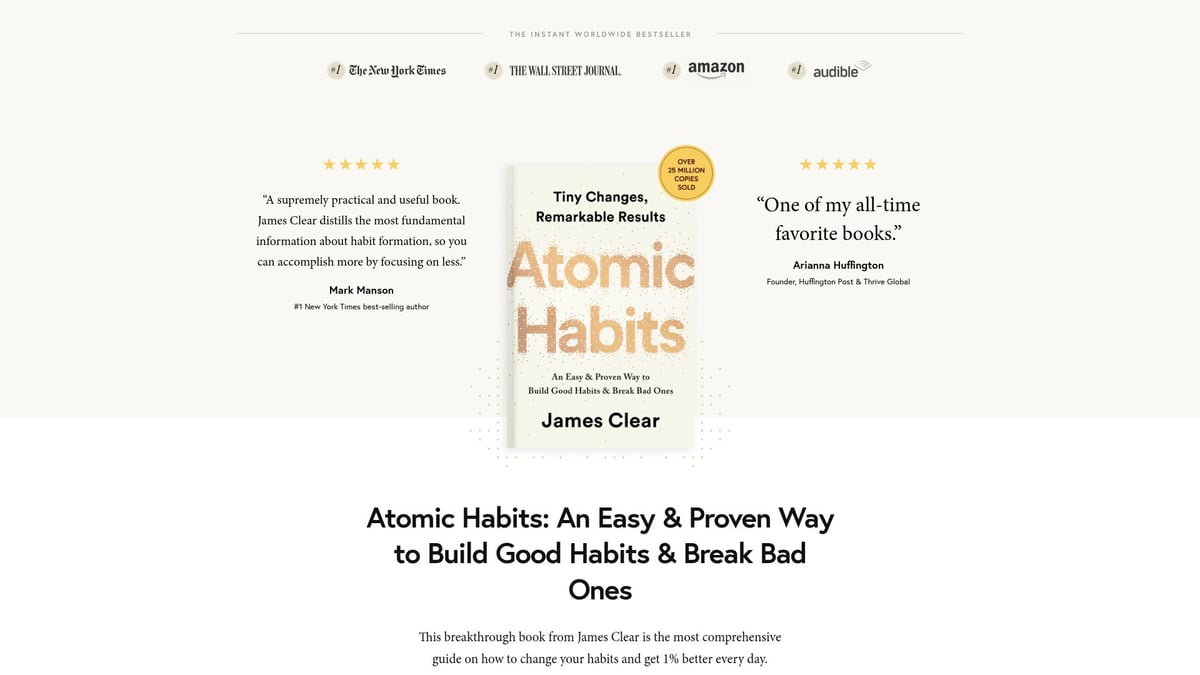
2. Atomic Habits: An Easy & Proven Way to Build Good Habits & Break Bad Ones by James Clear
"Atomic Habits" is a staple among self help books for confidence, showing how small, consistent actions can yield remarkable results. Clear presents a systematic framework for building positive habits that naturally boost self-assurance.
Features:
- Step-by-step habit formation guides.
- Emphasis on identity-based change and habit stacking.
- Practical tips that readers can implement immediately.
Benefits:
- Builds confidence by creating a track record of small wins.
- Encourages readers to see themselves as capable of long-term transformation.
Target Audience: Anyone seeking to change behaviors and increase confidence.
Pros: Clear, actionable, widely praised.
Cons: Focuses more on habits than direct confidence-building.
Unique Selling Point: Demonstrates how self help books for confidence can empower readers to shape identity through daily actions.
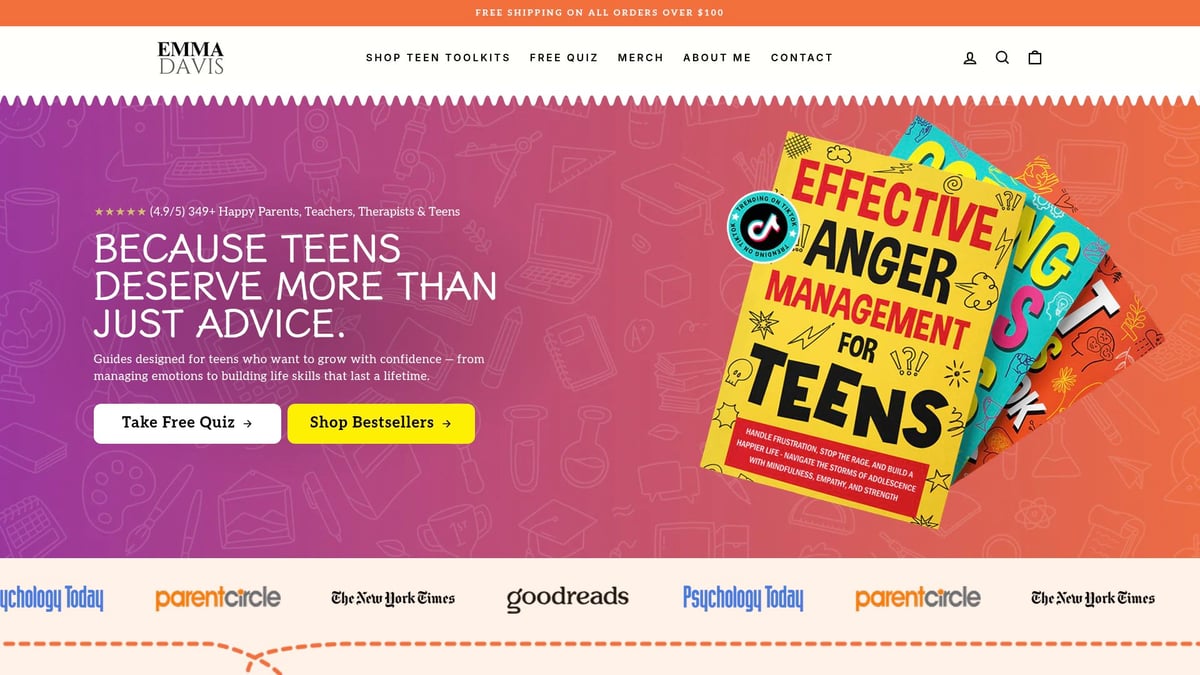
3. Self-Confidence for Teens: Practical Strategies to Overcome Self-Doubt and Build Unshakable Self-Esteem by Emma Davis
For teens facing today's unique pressures, this title is among the most relevant self help books for confidence. Emma Davis blends evidence-based techniques with relatable scenarios, making the journey to self-assurance accessible for younger readers.
Features:
- Incorporates CBT and DBT strategies.
- Interactive exercises and real-life case studies.
- Written in a teen-friendly, engaging style.
Benefits:
- Directly addresses social media, peer pressure, and academic stress.
- Offers practical tools for parents and educators supporting teen confidence.
Target Audience: Teenagers, parents, teachers, therapists.
Pros: Highly rated, practical, and easy to understand.
Cons: Less relevant for adult readers.
Unique Selling Point: Developed with mental health professionals, this is one of the few self help books for confidence with a proven impact on over 10,000 teens.
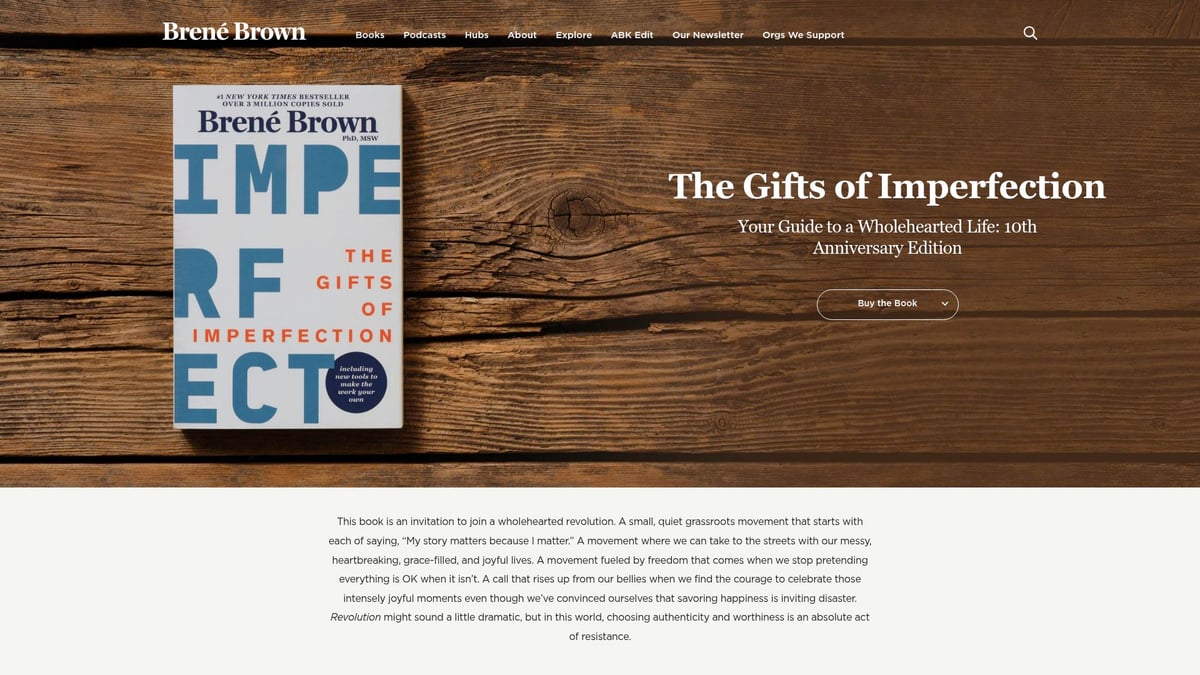
4. The Gifts of Imperfection: Let Go of Who You Think You’re Supposed to Be and Embrace Who You Are by Brené Brown
Brené Brown’s classic has become a cornerstone for those seeking self help books for confidence rooted in vulnerability and self-acceptance. Through ten guideposts, Brown encourages readers to embrace their authentic selves.
Features:
- Ten guideposts for wholehearted living.
- Research-backed insights on shame, resilience, and self-worth.
Benefits:
- Helps readers accept flaws and move beyond perfectionism.
- Cultivates deeper, more sustainable confidence.
Target Audience: Adults seeking to overcome self-criticism and embrace authenticity.
Pros: Compassionate, insightful, and research-based.
Cons: Less focused on step-by-step action.
Unique Selling Point: Among self help books for confidence, it uniquely spotlights the power of vulnerability as the foundation for self-assurance.
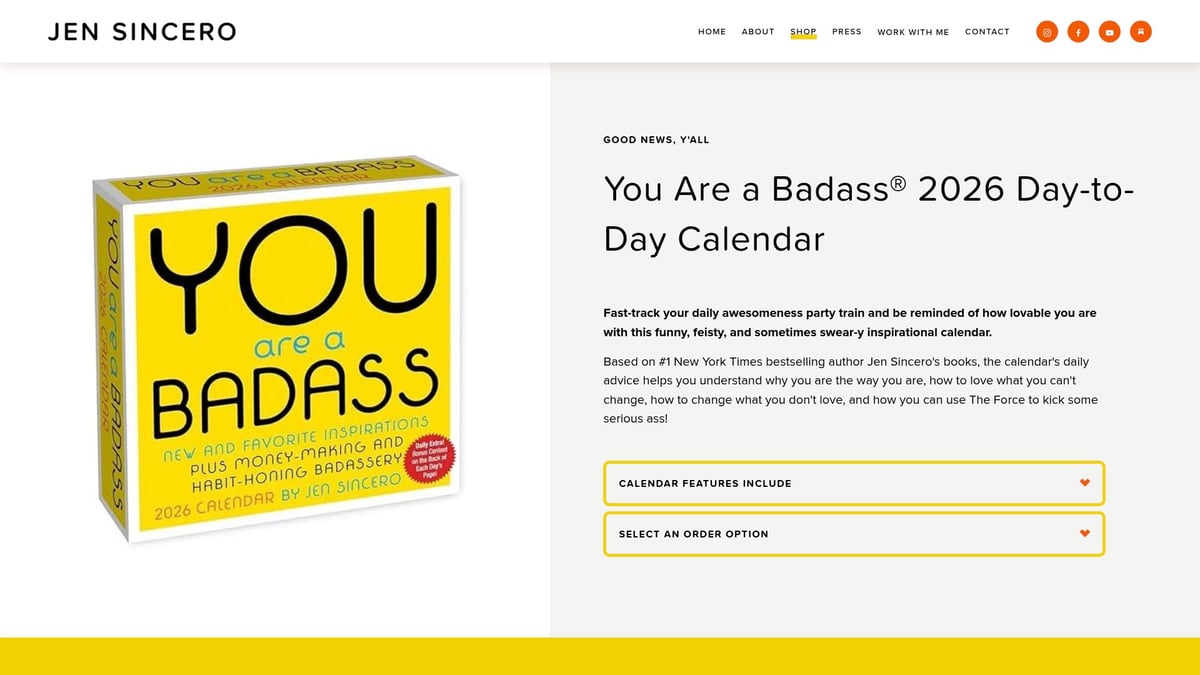
5. You Are a Badass: How to Stop Doubting Your Greatness and Start Living an Awesome Life by Jen Sincero
"You Are a Badass" is a vibrant entry in the world of self help books for confidence, using humor and tough love to inspire readers. Sincero’s direct approach motivates action and challenges limiting beliefs.
Features:
- Engaging anecdotes and witty writing.
- Practical exercises for immediate application.
Benefits:
- Energizes readers to take bold steps and believe in their capabilities.
- Breaks down barriers to self-confidence through relatable advice.
Target Audience: Young adults, creatives, anyone in need of motivation.
Pros: Fun, motivational, packed with actionable advice.
Cons: Writing style may not appeal to everyone.
Unique Selling Point: Among self help books for confidence, this book’s humor and candid tone make personal transformation feel achievable and exciting.
6. Presence: Bringing Your Boldest Self to Your Biggest Challenges by Amy Cuddy
"Presence" explores how body language and mindset intersect in self help books for confidence. Amy Cuddy draws from psychological research to show how physical presence can influence our mental state and performance.
Features:
- Techniques like power posing to boost confidence.
- Practical applications for interviews, presentations, and daily interactions.
Benefits:
- Equips readers to project confidence in high-pressure situations.
- Offers tools for managing anxiety and self-doubt.
Target Audience: Professionals, students, public speakers.
Pros: Research-based, actionable, and easy to implement.
Cons: Some debate around the power pose concept.
Unique Selling Point: Focuses on the physical aspects of self help books for confidence, teaching readers to embody a more confident self.
7. Radical Confidence: 10 No-BS Lessons on Becoming the Hero of Your Own Life by Lisa Bilyeu
Lisa Bilyeu’s "Radical Confidence" is a bold, practical guide for those seeking self help books for confidence that blend personal narrative with actionable lessons. Her energetic style encourages readers to face fear and self-doubt head-on.
Features:
- Ten step-by-step lessons rooted in real-world experiences.
- Motivational tone that empowers readers to take control.
Benefits:
- Helps readers break through barriers and develop resilience.
- Provides frameworks for overcoming setbacks and achieving goals.
Target Audience: Women, entrepreneurs, anyone navigating change.
Pros: Relatable, inspiring, direct.
Cons: Strong tone may not resonate with everyone.
Unique Selling Point: Bridges the gap between self help books for confidence and entrepreneurial thinking, making it ideal for ambitious readers.
8. The Six Pillars of Self-Esteem by Nathaniel Branden
This foundational work is often cited among the most comprehensive self help books for confidence. Branden outlines six core pillars that contribute to lasting self-esteem.
Features:
- In-depth psychological analysis.
- Exercises designed to foster self-reflection and growth.
Benefits:
- Offers a thorough framework for building lifelong confidence.
- Encourages readers to address both internal beliefs and external behaviors.
Target Audience: Adults, self-help enthusiasts, mental health professionals.
Pros: Deep, timeless, applicable across life stages.
Cons: Dense, may be challenging for beginners.
Unique Selling Point: Among self help books for confidence, this book’s structured approach and depth make it a must-read for those committed to deep transformation.
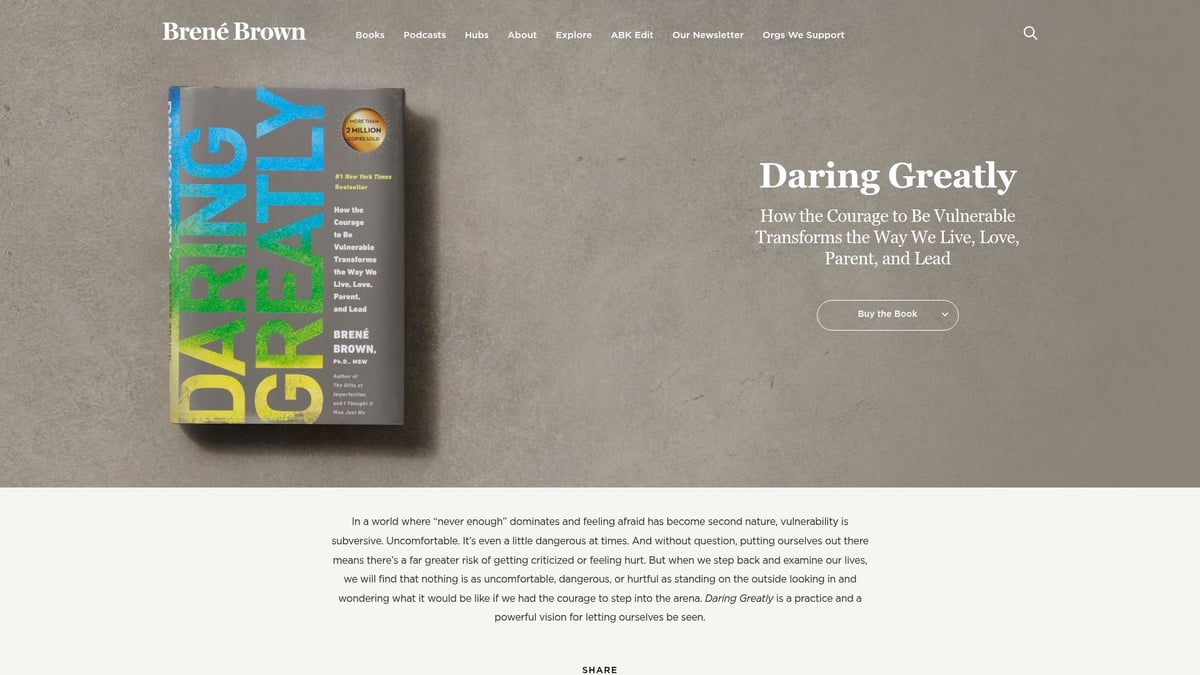
9. Daring Greatly: How the Courage to Be Vulnerable Transforms the Way We Live, Love, Parent, and Lead by Brené Brown
"Daring Greatly" redefines what it means to be confident by highlighting the importance of courage and vulnerability. As one of the most influential self help books for confidence, it provides research-based insights and practical guidance for embracing imperfection.
Features:
- Focuses on vulnerability as a strength.
- Research-backed advice for personal and professional growth.
Benefits:
- Inspires readers to take risks and move beyond fear of judgment.
- Helps leaders, parents, and individuals foster authentic confidence.
Target Audience: Leaders, parents, anyone seeking deeper assurance.
Pros: Inspiring, well-researched, applicable to various life domains.
Cons: May overlap with other works by Brown.
Unique Selling Point: Among self help books for confidence, its emphasis on courage and vulnerability sets it apart as a guide for wholehearted living.
How to Choose the Right Self Help Book for Your Confidence Journey
Choosing the right self help books for confidence can feel overwhelming with so many options available. The right choice depends on your personal growth goals, learning style, and the challenges you want to address. By following a few simple strategies, you can find a book that truly resonates and delivers lasting results.
Aligning Book Choice with Personal Goals
Start by reflecting on what you want to achieve with self help books for confidence. Are you looking to overcome social anxiety, improve workplace assertiveness, or boost self-esteem in your personal life? Clarifying your goals will help you focus on books that address your specific needs.
Think about your preferred learning methods. Do you enjoy step-by-step workbooks, motivational narratives, or scientific research? Matching your style to the book's format increases the chance of long-term impact and engagement.
Comparing Book Styles and Evaluating Credibility
Self help books for confidence come in a variety of styles. Some offer practical exercises rooted in psychology, while others share personal stories or motivational advice. Scientific books often provide evidence-based strategies, while narrative works inspire through real-life examples.
When evaluating a book's credibility, consider the author's qualifications and the research behind their advice. Look for books that cite studies, include expert endorsements, and have strong reviews from readers. Exploring curated lists like the mindset books collection can help you find reliable, up-to-date options that foster a confident mindset.
Integrating Lessons and Community Support
To maximize the benefits of self help books for confidence, actively apply the lessons to your daily life. Use exercises, reflection prompts, or habit trackers included in the book. Consistency is key, so set aside regular time each week to review and practice new concepts.
Community support can further enhance your growth. Joining book clubs, online forums, or discussion groups provides accountability and fresh perspectives. According to Goodreads, readers who participate in discussion groups are 45% more likely to finish and implement self-help books, making your confidence journey more effective and enjoyable.
Matching Books to Specific Confidence Needs
Not all self help books for confidence are created equal. For teens facing peer pressure and self-doubt, resources like self-confidence books for teens offer targeted strategies and relatable advice. Adults seeking professional growth may benefit from evidence-based guides, while those managing social anxiety might prefer interactive workbooks.
Regularly revisit your favorite books as your confidence evolves. Rereading can reveal new insights and keep you motivated, ensuring that your journey toward self-assurance continues to progress.
The Future of Self Help Books for Confidence: Trends to Watch in 2026
The landscape of self help books for confidence is rapidly evolving as we approach 2026. New technologies and shifting reader expectations are shaping how these resources are created, accessed, and experienced.
AI-Driven Personalization and Interactive Formats
Artificial intelligence is making self help books for confidence more personalized than ever. Readers can now receive book recommendations tailored to their unique needs, while interactive digital workbooks and quizzes help reinforce learning. This shift toward customization enables users to engage with content that directly addresses their confidence challenges and tracks their progress over time.
Diversity, Inclusion, and Accessibility
Publishers are responding to growing calls for diversity in self help books for confidence. Authors from a wider range of backgrounds are sharing their stories, making these books more relatable for readers from all walks of life. Enhanced accessibility features such as audiobooks, large print, and multilingual editions are ensuring everyone can benefit from these resources.
Integration with Mental Health Tools and Digital Platforms
The future of self help books for confidence involves seamless integration with mental health apps and online platforms. Many books now come with companion mobile apps, offering guided exercises and progress tracking. According to self-improvement industry statistics, digital self-help tools are being adopted by a growing segment of users seeking holistic solutions for personal development.
Market Growth, Generational Shifts, and Evolving Content
The self help books for confidence market is thriving. Industry data shows that global sales are projected to reach $14 billion by 2026. Younger generations, especially Gen Z and Millennials, are driving demand for books that blend evidence-based advice with engaging multimedia content. As highlighted in recent self-help book sales growth reports, readers are seeking therapist-authored works and interactive guides more than ever.
Looking ahead, self help books for confidence will continue to evolve alongside technology and cultural trends. Whether in print or digital form, these books remain a crucial tool for personal transformation in a fast-changing world.
As you explore these nine essential self help books for building confidence in 2026, remember that true growth comes from taking practical steps and applying what you learn. Whether you are a teen navigating new challenges or a parent or educator supporting someone on their journey, having the right resources can make all the difference. If you are ready to help your teen boost their self esteem and social skills with proven strategies, I recommend you Get the Confidence and Social Skills Pack for tailored tools that support lasting transformation.