


Best Life Books: Essential Reading for Teens in 2026
Finding the right books during adolescence can fundamentally shape a young person's trajectory. The best life books offer more than entertainment; they provide frameworks for understanding emotions, building resilience, and developing the confidence needed to navigate the challenging teenage years. For parents, educators, and therapists working with teens, selecting resources that genuinely connect with young readers while delivering practical strategies requires careful consideration. Today's teenagers face unprecedented challenges, from social media pressures to academic stress, making evidence-based guidance more critical than ever before.
Understanding What Makes the Best Life Books for Teens
The criteria for selecting truly impactful reading material for teenagers differs significantly from adult self-help literature. Young readers need content that speaks directly to their experiences without condescension or oversimplification. The best life books acknowledge the complexity of adolescent emotions while offering actionable strategies that teens can implement immediately.
Core Characteristics of Effective Teen Development Literature
Quality life books for teenagers share several distinguishing features that set them apart from generic advice columns or outdated guidance manuals. Authenticity stands as the paramount characteristic. Teens possess exceptional sensitivity to inauthentic voices and quickly dismiss material that feels contrived or patronizing.
Practical application represents another essential element. Abstract philosophical concepts hold limited value when teenagers struggle with concrete challenges like peer pressure, academic anxiety, or family conflict. Resources from books on self-improvement demonstrate how actionable strategies create measurable improvements in daily life.
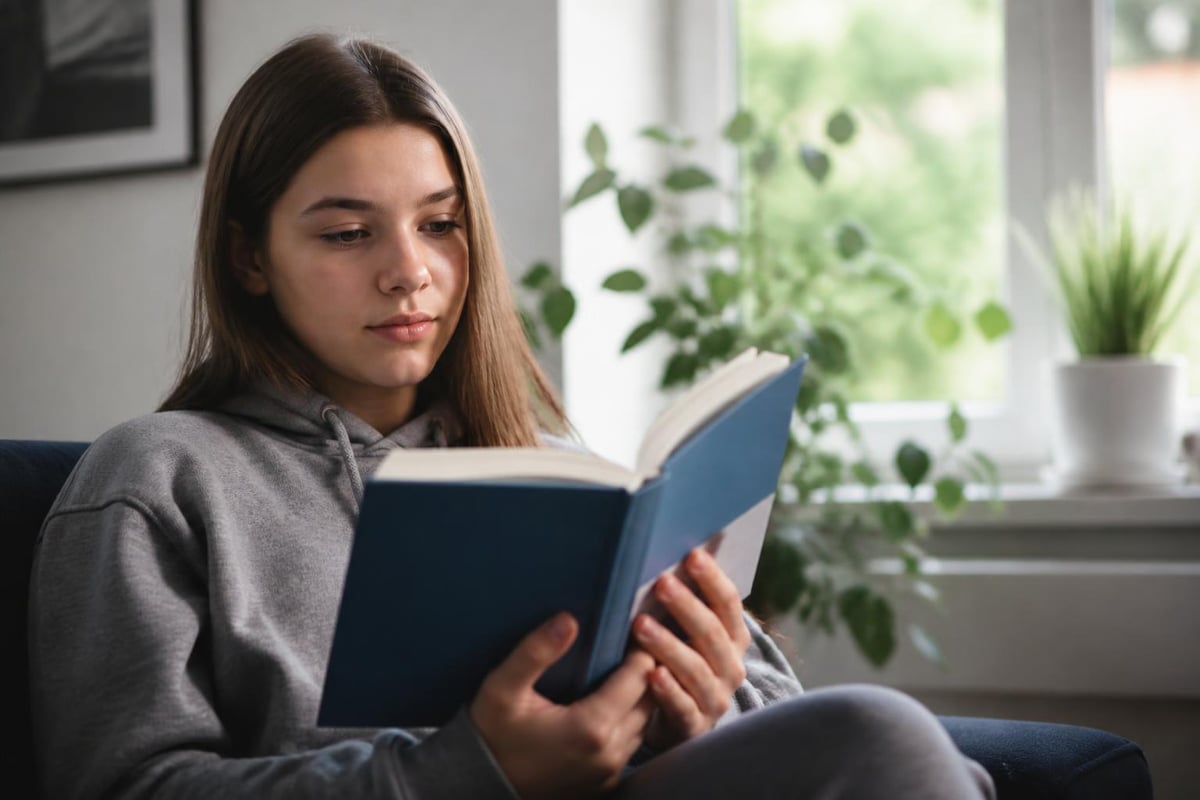
The integration of current research matters tremendously. The best life books incorporate findings from psychology, neuroscience, and adolescent development studies, translating academic insights into accessible language. This scientific foundation provides credibility while ensuring techniques actually work when teens apply them.
| Feature | Why It Matters | Example Application |
|---|---|---|
| Relatable Scenarios | Teens see themselves in the content | Real stories about school stress, friendship conflicts |
| Step-by-Step Guidance | Reduces overwhelm, increases implementation | Numbered exercises for managing anxiety |
| Evidence-Based Methods | Builds trust and effectiveness | CBT techniques explained for teen audiences |
| Interactive Elements | Engages active learning | Journaling prompts, reflection questions |
Categories of Essential Life Books for Teenage Development
Different developmental needs require different literary approaches. The best life books span multiple categories, each addressing specific aspects of adolescent growth. Understanding these categories helps parents and educators build comprehensive resource libraries.
Emotional Intelligence and Mental Health Resources
Books focusing on emotional awareness teach teenagers to identify, understand, and regulate their feelings. These resources prove invaluable as adolescents experience hormonal changes and heightened emotional sensitivity. Materials addressing books about mental health provide frameworks for recognizing when emotions signal deeper concerns requiring professional support.
Mental health literacy represents a critical life skill. Teenagers who understand concepts like anxiety, depression, and stress management demonstrate better outcomes across academic, social, and personal domains. The stigma surrounding mental health continues decreasing, making 2026 an opportune moment for teens to access these resources without shame.
Confidence and Social Skills Development
Building self-esteem and navigating social dynamics constitute major adolescent challenges. The best life books in this category address everything from handling rejection to developing authentic friendships. They provide scripts for difficult conversations and frameworks for understanding social hierarchies without compromising personal values.
Confidence building extends beyond social situations into academic performance, extracurricular participation, and future career planning. Resources that strengthen self-belief create ripple effects across all life areas. The comprehensive selection of best life books demonstrates how confidence development intersects with broader personal growth objectives.
Practical Life Skills and Future Planning
Teenagers preparing for independence need concrete skills that schools often neglect. Financial literacy, time management, decision-making frameworks, and goal-setting strategies comprise essential knowledge for successful adult transitions. Books covering life skills development fill critical educational gaps.
The best life books in this category balance immediate applicability with long-term planning. A fifteen-year-old benefits from learning both how to manage weekly homework schedules and how to think strategically about college or career paths. This dual focus creates sustainable skill development rather than isolated tips.
How Parents and Educators Can Leverage Life Books Effectively
Purchasing books represents only the first step. Maximizing their impact requires intentional implementation strategies that encourage engagement without creating resistance. Teenagers often reject resources they perceive as forced or remedial.
Creating Reading Opportunities Without Pressure
The most successful approaches present books as available resources rather than mandatory assignments. Leaving books in common areas, casually mentioning relevant passages during natural conversations, or reading alongside teens models positive behavior without generating pushback.
Discussion-based exploration proves more effective than testing comprehension. When parents ask open-ended questions about concepts or invite teens to share interesting discoveries, reading transforms from obligation into shared experience. This collaborative approach respects teenage autonomy while maintaining parental involvement.
Matching Books to Individual Needs and Interests
Generic recommendations rarely resonate as powerfully as personalized selections. Observing specific challenges teens face-whether social anxiety, anger management, or identity exploration-enables targeted resource provision. Books addressing anger management techniques support teenagers struggling with emotional regulation differently than those facing confidence issues.
Consider these matching strategies:
- For introverted teens: Books emphasizing internal strength and independent thinking
- For social butterflies: Resources on leadership, communication, and relationship dynamics
- For academically stressed students: Materials addressing perfectionism, time management, and healthy achievement
- For creative individuals: Books connecting artistic expression with personal growth
- For future-focused teens: Resources on goal setting, career exploration, and decision frameworks
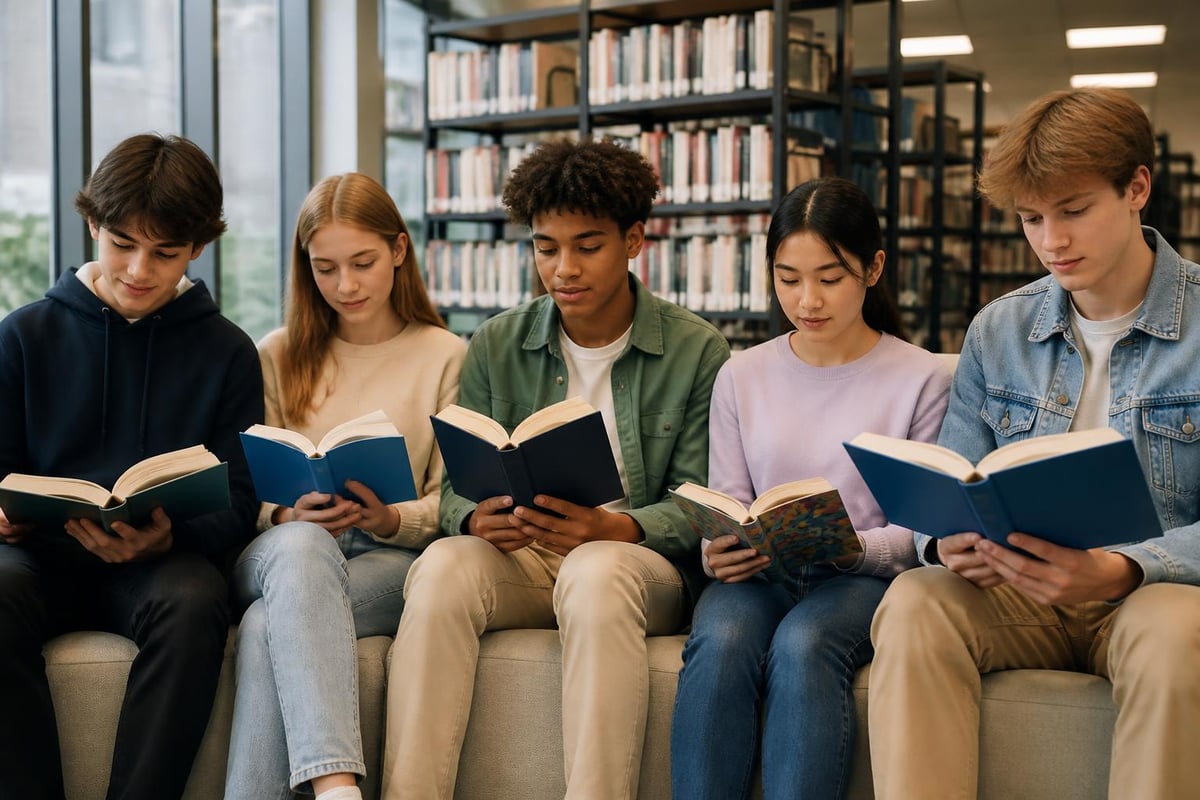
The Science Behind Why Reading Transforms Teenage Development
Understanding the neurological and psychological mechanisms through which reading influences development strengthens commitment to this intervention. The best life books leverage specific cognitive processes that uniquely benefit adolescent brains.
Neuroplasticity and Adolescent Learning
Teenage brains exhibit exceptional neuroplasticity, meaning neural pathways form and strengthen rapidly in response to experiences. Reading about emotional regulation, resilience strategies, or decision-making frameworks literally reshapes brain structure. This biological reality makes adolescence an optimal window for instilling life skills through literature.
The prefrontal cortex, responsible for executive functions like planning and impulse control, continues developing through the mid-twenties. Books providing frameworks for these skills essentially supply external scaffolding while internal capabilities mature. Resources exploring meaningful life perspectives help teens develop philosophical foundations during this formative period.
Building Mental Models Through Narrative
Stories and case studies within the best life books create mental models teens can reference when facing real-world challenges. Rather than abstractly understanding concepts, narrative learning enables pattern recognition. When encountering a situation resembling one from a book, teens access stored frameworks automatically.
This cognitive advantage explains why the best life books balance instruction with storytelling. Pure didactic content provides information; narrative integration creates actionable wisdom. The combination produces lasting behavioral change rather than temporary knowledge retention.
Evaluating Quality and Avoiding Problematic Content
Not all books marketed toward teen development deliver positive outcomes. Some perpetuate harmful stereotypes, oversimplify complex issues, or promote unrealistic expectations. Developing evaluation skills protects teenagers from counterproductive materials.
Red Flags in Teen Self-Help Literature
Several warning signs indicate potentially problematic content. Books promising overnight transformations or miracle solutions typically lack scientific grounding. The best life books acknowledge that meaningful change requires consistent effort over time.
Toxic positivity represents another concern. Resources dismissing legitimate negative emotions or suggesting teens simply "choose happiness" invalidate real struggles. Healthy materials validate difficult feelings while teaching productive response strategies.
Watch for these problematic elements:
- One-size-fits-all solutions ignoring individual differences
- Blame-focused messaging suggesting problems stem purely from personal failings
- Unrealistic standards comparing teens to exceptional outliers
- Commercial exploitation prioritizing product sales over genuine support
- Outdated information ignoring current research or cultural shifts
Verifying Author Credentials and Methodology
Investigating author backgrounds ensures recommendations come from qualified sources. The best life books cite research, explain methodological foundations, and acknowledge limitations. Authors with relevant credentials-psychology degrees, counseling experience, educational backgrounds-bring expertise that enhances content quality.
Peer reviews and professional endorsements provide additional verification. Books recommended by therapists, educators, or reputable organizations undergo greater scrutiny than self-published materials lacking external validation. Organizations like Emmadavisbooks.com specialize in curating evidence-based resources specifically designed for teenage development needs.
Integrating Digital and Traditional Reading Resources
Modern teenagers navigate both physical and digital worlds seamlessly. The best life books increasingly exist across multiple formats, each offering unique advantages. Understanding these options maximizes accessibility and engagement.
Print Books Versus Digital Formats
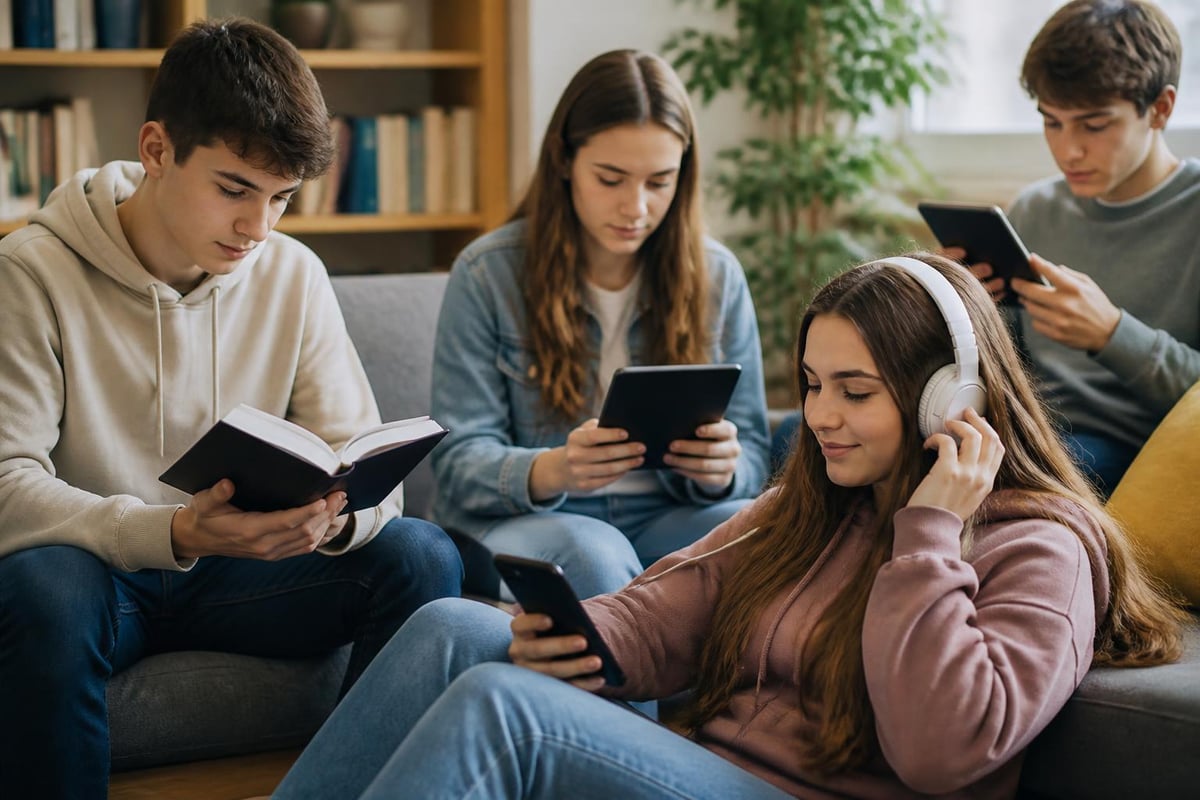
Physical books provide tangible objects teens can annotate, revisit, and share without device dependency. The kinesthetic experience of turning pages and the visual progress of advancing through content offer psychological benefits digital formats cannot replicate. Many teenagers report better retention and focus when reading print materials.
Digital formats deliver unmatched convenience and accessibility. E-books enable discreet reading in various settings, searchable content for quick reference, and adjustable text sizes for different preferences. Audiobook versions support multitasking and accommodate different learning styles, making the best life books accessible to teens with reading challenges.
| Format | Primary Advantages | Best For |
|---|---|---|
| Print Books | Physical interaction, annotation, no screen time | Deep reading, journaling exercises, shared reading |
| E-books | Portability, searchability, privacy | On-the-go access, quick reference, discrete reading |
| Audiobooks | Multitasking capability, accessibility, auditory learning | Commutes, exercise, visual processing challenges |
| Interactive Apps | Gamification, progress tracking, multimedia integration | Tech-savvy teens, skill practice, habit building |
Supplementing Books with Online Communities
The best life books often connect to online platforms where readers discuss concepts, share experiences, and support one another. These communities extend learning beyond individual reading, creating peer networks focused on growth rather than comparison or competition. Moderated forums ensure safe spaces for vulnerable discussions.
Parents and educators should research community guidelines and supervision practices before encouraging participation. Well-managed platforms provide accountability and encouragement; poorly moderated spaces risk exposing teens to harmful influences. Balancing community engagement with critical thinking about online interactions represents an essential modern literacy skill.
Measuring Impact and Tracking Progress
Implementing the best life books yields optimal results when combined with progress monitoring. Tracking changes helps teens recognize growth that might otherwise feel imperceptible, building motivation for continued development.
Creating Personal Development Benchmarks
Before beginning a book, establishing baseline measurements provides comparison points. These might include self-rated confidence levels, frequency of specific emotional experiences, or concrete behavioral markers like social interactions per week. Quantifying starting points makes subsequent improvements visible.
Reflection practices amplify learning retention. Regular journaling about insights, attempted strategies, and observed outcomes transforms passive reading into active skill development. Many of the best life books include built-in reflection prompts; supplementing these with personalized questions deepens engagement.
Progress indicators worth tracking include:
- Emotional regulation success rates in triggering situations
- Confidence levels across different domains (academic, social, personal)
- Frequency of applying specific strategies from books
- Quality of sleep, relationships, or academic performance
- Personal satisfaction ratings across life areas
Adapting Strategies Based on Results
Not every technique from the best life books resonates with every teenager. Monitoring what works enables customization rather than rigid adherence to prescribed methods. Teens learning to assess their responses and adjust accordingly develop critical metacognitive skills valuable throughout life.
Resources exploring diverse approaches, like comprehensive collections on developing good life habits, provide multiple options for achieving similar outcomes. If one anxiety management technique proves ineffective, alternatives exist. This flexibility prevents discouragement when initial attempts don't produce desired results.
Building Comprehensive Resource Libraries for Long-Term Support
Single books rarely address every aspect of adolescent development. The best life books work synergistically when combined into curated collections addressing multiple growth areas. Strategic library building ensures resources remain available as needs evolve.
Balancing Breadth and Depth in Collections
Effective libraries include both broad overview books covering general life skills and specialized resources targeting specific challenges. A teenager might benefit from one comprehensive guide to adolescence alongside targeted books addressing particular struggles like social anxiety or academic stress.
Diversity in perspectives prevents echo chambers while exposing teens to varied approaches. Different authors bring unique frameworks, cultural contexts, and methodological preferences. This variety helps teenagers discover approaches matching their personalities rather than forcing conformity to single philosophies.
Updating Resources as Teens Mature
Developmental needs shift dramatically between ages thirteen and nineteen. Books appropriate for early adolescence may feel juvenile to older teens preparing for independence. Regular library audits ensure available resources match current developmental stages and emerging interests.
Transitional resources bridge adolescence and young adulthood, addressing topics like college preparation, career exploration, and independent living skills. The best life books for older teens acknowledge increasing autonomy while providing guidance for major life decisions. Collections from specialized providers focusing on teen emotional and mental health offer age-appropriate progression paths.
Addressing Common Concerns About Self-Help Literature for Teens
Despite proven benefits, some parents and educators express reservations about providing life books to teenagers. Understanding these concerns enables thoughtful responses that address legitimate worries while preventing missed opportunities for positive intervention.
Distinguishing Support from Replacement Therapy
The best life books complement but never replace professional mental health services when needed. Books provide education, normalize experiences, and teach general skills; therapists offer personalized assessment, diagnosis, and treatment for clinical conditions. Recognizing this distinction prevents both over-reliance on books and unnecessary resistance to valuable resources.
Books serve as excellent preparation for or supplements to therapy. Teens who understand basic concepts through reading often engage more productively in therapeutic relationships. Self-help literature also supports maintenance between sessions and reinforces professionally taught techniques.
Preventing Overwhelm Through Gradual Implementation
Introducing too many resources simultaneously creates paralysis rather than progress. Starting with single carefully selected books prevents overwhelm while establishing positive associations with self-development literature. Success with initial resources builds enthusiasm for exploring additional materials.
Pacing recommendations based on reading speed, comprehension level, and emotional capacity ensures positive experiences. Some teens devour books quickly; others need weeks to process and implement concepts. Respecting individual rhythms prevents counterproductive pressure that transforms growth opportunities into stress sources.
The best life books provide teenagers with essential tools for navigating adolescence successfully, building confidence, managing emotions, and developing critical life skills that extend far beyond the teenage years. These carefully selected resources create frameworks for understanding themselves and the world while offering practical strategies for immediate implementation. For parents and educators seeking evidence-based materials that genuinely connect with young readers, Emmadavisbooks.com offers specialized guides and toolkits designed specifically for teenage development, combining proven techniques with engaging content that resonates with adolescent experiences and supports lasting positive change.