


8 Essential Books About Mental for Personal Growth 2026
In 2026, mental health stands at the forefront of personal growth conversations. More people recognize that understanding their minds is the first step to lasting change.
Mental health literacy has become essential for anyone seeking self-improvement. It offers the tools and knowledge needed to build resilience, foster emotional intelligence, and support well-being.
This article presents 8 essential books about mental that empower readers to take charge of their growth journey. Discover why each title matters, how these books can reshape your mindset, and what steps you can take to transform your life.
Ready to unlock a new level of self-awareness? Explore these transformative reads and open the door to a healthier, more fulfilling future.
Why Mental Health Books Matter for Personal Growth
Understanding the role of books about mental is becoming vital for anyone seeking genuine personal growth. As mental health takes center stage in 2026, more people turn to books about mental topics to foster better self-awareness, resilience, and holistic development. These resources act as both mirrors and windows, reflecting our challenges while opening new perspectives for change.
The Link Between Mental Health and Personal Development
Holistic self-improvement is impossible without a solid understanding of mental well-being. Books about mental topics bridge the gap between scientific research and practical living, offering readers clear guidance on building resilience, emotional intelligence, and deeper self-awareness.
A 2024 APA survey found that 78% of adults believe reading books about mental health directly improves their well-being. This statistic highlights how the right knowledge can become a catalyst for lasting change. Books about mental issues often combine scientific explanations with real-life stories, making complex subjects relatable and actionable for readers at any stage of their journey.
These works also help reduce stigma by normalizing conversations about mental health. When people see their struggles reflected in the pages of books about mental topics, they feel less isolated and more empowered to seek support. For a curated list of insightful reads, you can explore mental health books recommendations to find resources tailored to diverse needs.
How Reading Shapes Mindset and Habits
Reading books about mental health is more than a passive activity. Exposure to diverse viewpoints challenges readers to question limiting beliefs and adopt healthier mindsets. Through narrative storytelling, these books foster empathy, encourage self-reflection, and inspire actionable change.
For instance, many readers have reported using strategies from books about mental well-being to manage anxiety or build positive coping mechanisms. Personal accounts show how implementing tools from these books can transform daily routines, making self-care and emotional regulation more attainable.
Books about mental health reinforce positive habits by offering frameworks and exercises that can be integrated into everyday life. Whether through guided journaling, mindfulness techniques, or habit tracking, these resources provide reliable support for anyone committed to personal growth.
8 Essential Books About Mental Health for Personal Growth
Exploring the best books about mental health can serve as a powerful catalyst for self-discovery and lasting change. Whether you are just starting your personal growth journey or looking to deepen your understanding, these expertly curated books about mental offer transformative insights, practical strategies, and uplifting stories. Each title below is chosen to empower readers with tools for resilience, emotional intelligence, and a growth-oriented mindset.
1. The Body Keeps the Score by Bessel van der Kolk, M.D.
Understanding trauma’s impact on the body and mind is essential for anyone seeking books about mental healing. Bessel van der Kolk’s renowned work delves into the neurobiology of trauma, illustrating how deeply our experiences are etched into our physical selves.
Key Features:
- Explains the science behind trauma and its effects on brain and body.
- Introduces somatic therapies and innovative healing approaches.
- Shares real-life case studies for relatable learning.
Unique Insights: This book reveals how unresolved trauma can shape everyday behavior, relationships, and self-perception. Readers gain a comprehensive view of why some patterns persist and how to break free.
Benefits:
- Offers practical recovery strategies.
- Merges clinical research with accessible language.
- Empowers readers to understand their own and others’ struggles.
Pros: Evidence-based, thorough, and transformative.
Cons: Some sections are dense with clinical terminology.
For those interested in books about mental trauma and recovery, this title offers a foundational perspective, making it invaluable for both newcomers and seasoned readers.
2. Lost Connections by Johann Hari
Johann Hari’s "Lost Connections" challenges conventional wisdom about depression and anxiety, making it a standout among books about mental health in 2026. Rather than focusing solely on chemical imbalances, Hari explores how social disconnection and lack of meaning contribute to emotional distress.

Core Arguments:
- Depression and anxiety often stem from unmet psychological and social needs.
- Addressing lifestyle, relationships, and community can bring sustainable healing.
Features:
- Engaging stories from around the world.
- Interviews with mental health experts.
- Actionable strategies for reconnecting with purpose and others.
Benefits:
- Encourages readers to reimagine their approach to mental challenges.
- Provides hope and practical steps for long-term well-being.
Pros: Fresh, story-driven, and eye-opening.
Cons: Some claims are debated among professionals.
Hari’s personal journey adds a relatable touch, while his global research broadens the perspective. For anyone seeking books about mental connection and holistic recovery, this is a must-read.
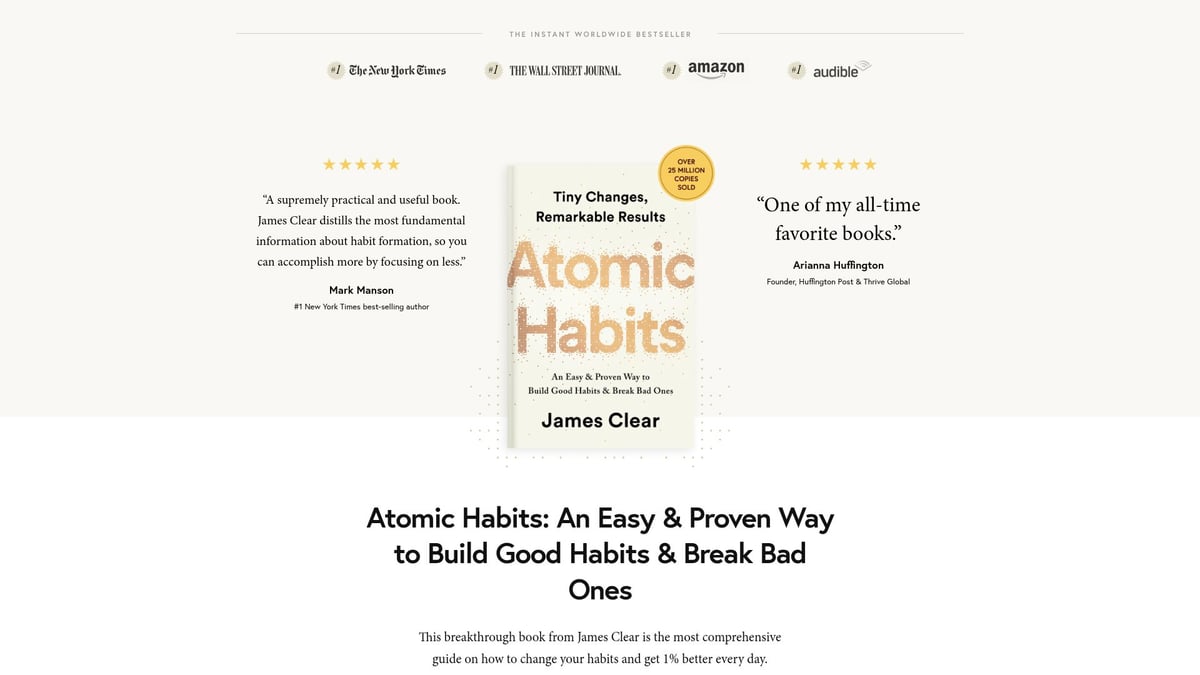
3. Atomic Habits by James Clear
While not exclusively about mental illness, "Atomic Habits" is one of the most practical books about mental resilience and growth. James Clear uses behavioral psychology to show how small changes can lead to remarkable improvements in well-being.
Core Features:
- Step-by-step habit-building frameworks.
- Identity-based strategies for lasting change.
- Techniques like habit stacking and environmental design.
Benefits:
- Helps readers overcome procrastination and negative thought patterns.
- Provides tools for reinforcing positive coping skills.
Pros: Actionable, clear, and widely applicable.
Cons: Focuses more on habits than deep mental health issues.
Example: Readers share stories of overcoming anxiety and building confidence by applying these principles.
For anyone searching for books about mental routines and self-improvement, this guide lays a strong foundation for sustainable growth.
4. Daring Greatly by Brené Brown
Brené Brown’s research on vulnerability is a game-changer among books about mental strength and authenticity. "Daring Greatly" shows how embracing vulnerability leads to deeper connections and personal growth.

Core Principles:
- Vulnerability is a source of courage, not weakness.
- Shame resilience is critical for emotional health.
- Authenticity fosters stronger relationships.
Features:
- Personal stories and relatable examples.
- Research-backed exercises for daily practice.
Benefits:
- Inspires readers to let go of perfectionism and self-doubt.
- Empowers individuals to build trust and open communication.
Pros: Inspirational, research-driven, and practical.
Cons: Some repetition of main themes.
Brown’s insights are especially useful for readers who want books about mental well-being that encourage openness and self-acceptance.
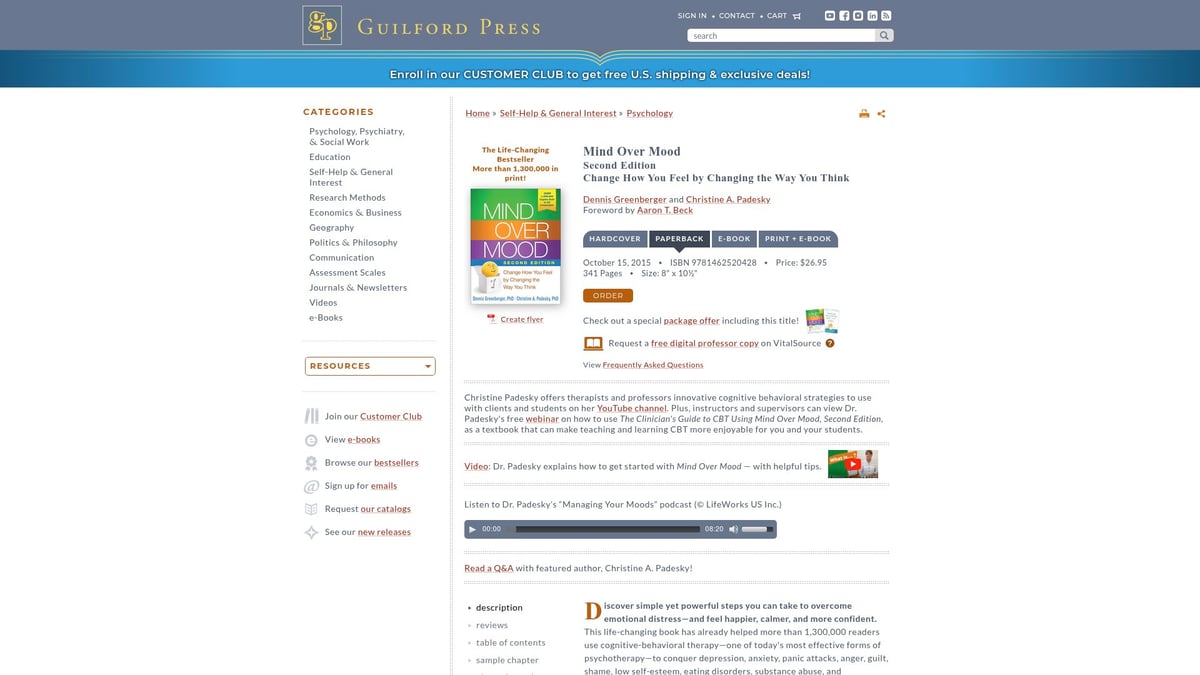
5. Mind Over Mood by Dennis Greenberger & Christine A. Padesky
"Mind Over Mood" is a hands-on workbook, making it a staple in books about mental self-help. Using principles of Cognitive Behavioral Therapy (CBT), it provides practical exercises for managing emotions.
Features:
- Worksheets and step-by-step guidance.
- Real-world scenarios for applying CBT techniques.
- Tools for tracking progress and setting goals.
Benefits:
- Equips readers with actionable strategies for coping with anxiety, depression, and anger.
- Suitable for both self-guided learning and therapy support.
Pros: Interactive, evidence-based, user-friendly.
Cons: Workbook format may not suit all preferences.
Example: Many users report significant mood improvements after following the exercises, making it one of the most effective books about mental change.
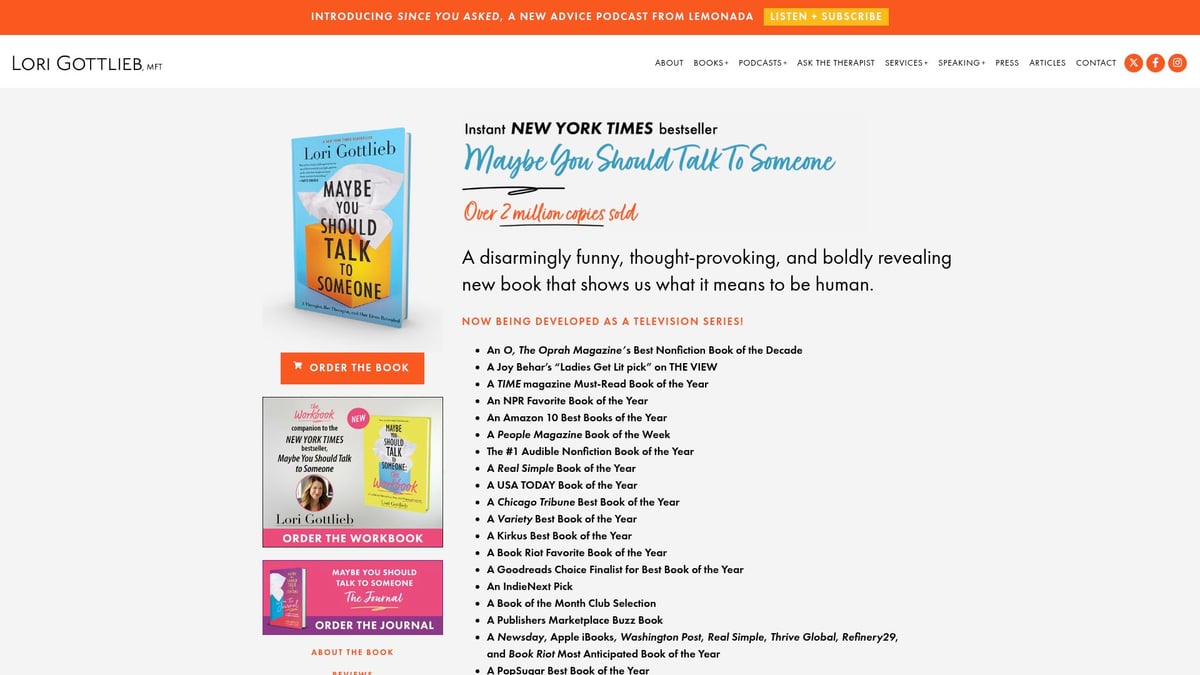
6. Maybe You Should Talk to Someone by Lori Gottlieb
Lori Gottlieb’s memoir offers a behind-the-scenes look at therapy, blending her experiences as both therapist and patient. This narrative-driven addition to books about mental health humanizes the therapeutic process.
Core Features:
- Honest accounts of client and therapist struggles.
- Humorous and heartfelt storytelling.
- Reflections on life, loss, and healing.
Benefits:
- Destigmatizes seeking help for mental health challenges.
- Encourages empathy and self-acceptance.
Pros: Engaging, insightful, and emotionally resonant.
Cons: Less technical, more focused on stories.
Example: Gottlieb’s journey with her clients and her own therapist highlights the universal nature of personal growth.
If you’re drawn to books about mental narratives and real-life transformation, this memoir offers both comfort and inspiration.
7. Emotional Agility by Susan David, Ph.D.
"Emotional Agility" equips readers with tools for navigating life’s changes with resilience and flexibility. It stands out among books about mental adaptability and well-being.
Core Concepts:
- Acceptance of difficult emotions without judgment.
- Values-based decision making.
- Self-compassion as a growth strategy.
Features:
- Four-step process for emotional health.
- Practical exercises and real-world examples.
Benefits:
- Helps readers adapt to stress, uncertainty, and setbacks.
- Encourages meaningful action aligned with personal values.
Pros: Practical, evidence-based, empowering.
Cons: Some exercises require deep self-reflection.
Stories throughout the book show how emotional agility leads to breakthroughs, making it a valuable addition to books about mental resilience.
8. An Unquiet Mind by Kay Redfield Jamison
Kay Redfield Jamison’s memoir is a pioneering work among books about mental illness, offering a dual perspective as both clinical psychologist and patient with bipolar disorder.
Unique Perspective:
- First-person account of living with bipolar disorder.
- Honest, poetic writing style.
- Insight into stigma and advocacy.
Benefits:
- Promotes understanding and empathy for mood disorders.
- Provides hope for those facing similar challenges.
Pros: Candid, influential, and widely acclaimed.
Cons: Focused specifically on bipolar experience.
Jamison’s story has inspired many to seek help and reduce stigma, making it essential reading for anyone exploring books about mental journeys.
For further exploration of this topic, you may find Books about mental illness helpful, as it offers additional recommendations and perspectives.
How to Choose the Right Mental Health Book for Your Journey
Choosing the best books about mental health for your personal growth can be transformative, but the process requires self-awareness and intention. With so many options available, selecting the right resource ensures your reading journey is both meaningful and effective.
Assessing Your Personal Needs and Goals
Begin by reflecting on your current mental health challenges. Are you dealing with anxiety, low mood, trauma, or self-confidence struggles? Identifying your specific needs is the first step to finding books about mental that address your situation.
Next, consider your learning style. Do you prefer narrative memoirs, interactive workbooks, research-driven texts, or practical guides? Matching the format to your preferences improves engagement and retention. For example, those who enjoy actionable exercises may benefit from CBT workbooks, while others may lean toward personal stories for inspiration.
Evaluate where you are in your personal growth journey. Beginners might seek foundational overviews, while those with more experience may look for advanced insights. Review author backgrounds, professional credentials, and endorsements from mental health experts to ensure credibility.
It is also helpful to read reviews and see what resonates with other readers. If you are focused on mindset and resilience, exploring curated collections like mindset books for self-improvement can guide you toward the most relevant books about mental growth for your goals.
When possible, choose books about mental with hands-on exercises if you want to apply techniques directly. The right match can empower lasting change and foster continued self-discovery.
Tips for Maximizing Impact
To gain the most from books about mental, set realistic reading goals. Avoid overwhelming yourself by breaking chapters into manageable sections and pacing your progress.
Reflect on what you read. Consider journaling insights, highlighting key passages, or discussing concepts with a trusted friend or therapist. This active engagement deepens understanding and personal relevance.
Apply strategies and exercises from the books about mental to your daily life. Whether it is a gratitude practice, mindfulness technique, or habit-building exercise, real transformation happens through consistent action.
Revisit impactful chapters or sections as your mental health journey evolves. Growth is not linear, and returning to key lessons can offer new perspectives.
Combine reading with other growth activities, such as therapy, support groups, or digital tools. For instance, understanding the benefits of reading books can reinforce your commitment, as studies show that regular reading can reduce stress and enhance emotional resilience.
By sharing your favorite books about mental with others, you help foster a supportive community where personal development is celebrated. Remember, the right book at the right time can be a catalyst for real, measurable change in your life.
Integrating Mental Health Insights into Daily Life
Turning insights from books about mental into real-world habits is the bridge between knowledge and transformation. Many readers find that the biggest challenge is not understanding concepts, but consistently applying them. The key is to take small, intentional steps that make personal growth sustainable.
Building Mindful Routines and Resilient Mindsets
To truly benefit from books about mental, start by translating their lessons into daily actions. For example, if a book recommends gratitude journaling or mindfulness exercises, set aside a few minutes each day to practice. These routines anchor your learning and help foster a resilient mindset.
Consider frameworks from books about mental like “Atomic Habits.” Use techniques such as habit stacking to reinforce positive behaviors. Pair a new self-care habit with an existing routine, such as meditating right after brushing your teeth. This makes it easier to stay consistent and notice gradual improvements.
Open conversations about mental health with friends, family, or support networks. Sharing your thoughts or favorite insights from books about mental can deepen your understanding and inspire others. According to the Mental Health Gains from Reading, daily reading can reduce stress and build emotional resilience, making these discussions even more impactful.
Track your progress by monitoring small wins. Celebrate achievements, no matter how minor, to stay motivated. If you prefer digital tools, leverage mental health apps or online communities to supplement your book-based learning. These platforms can offer reminders, guided exercises, and a sense of shared purpose.
If you encounter deeper challenges during self-reflection, do not hesitate to seek professional guidance. Books about mental are powerful, but sometimes a therapist’s perspective is necessary for sustained growth. For families or educators, resources like Managing teen emotions and mental health provide targeted support for younger readers, helping integrate these lessons across generations.
Finally, pay it forward by recommending books about mental to others. Building a community of growth and support can amplify the positive changes you experience.
As you reflect on these eight essential books and the powerful strategies they offer for personal growth, remember that true transformation begins with small, intentional steps. Whether you are looking to build resilience, boost your confidence, or navigate emotional challenges, the right resources can make all the difference. If you are ready to put these insights into action and support the teens in your life with proven tools for emotional strength, I encourage you to Start the Growth Pack. Let’s take the next step in your growth journey together.