


Books About Change: Essential Reading for Teen Growth
Change represents one of the most constant forces in a teenager's life. From physical transformations and shifting friendships to evolving identities and academic transitions, adolescence brings waves of uncertainty that can feel overwhelming. Books about change offer teenagers practical frameworks, relatable stories, and evidence-based strategies to navigate these pivotal years with confidence and resilience. Whether a teen faces a major life transition or simply wants to understand their emotions better, the right literature can serve as both mirror and map, reflecting their experiences while charting a path forward.
Understanding Why Books About Change Matter for Teens
Adolescence presents unique challenges that differ fundamentally from adult experiences of change. Teenagers simultaneously navigate biological development, social pressures, academic demands, and identity formation. This convergence creates a perfect storm of transformation that requires specialized guidance and support.
Research consistently demonstrates that teens who develop change-management skills during adolescence carry these capabilities throughout their lives. Books about change provide accessible entry points into complex psychological concepts without the formality of therapy or the awkwardness of parental lectures. They offer privacy, allowing teens to explore difficult topics at their own pace.
The Psychological Foundation of Change Literature
Effective change literature for teenagers balances scientific credibility with relatable storytelling. The best books about change incorporate principles from cognitive behavioral therapy, growth mindset research, and developmental psychology while maintaining an authentic teen voice.
These resources help young readers understand that change, while uncomfortable, represents a natural part of human development rather than a personal failing. This reframing alone can reduce anxiety and increase receptiveness to new experiences.

Categories of Books About Change for Different Teen Needs
Not all change literature serves the same purpose. Understanding these categories helps parents, educators, and teens themselves select the most appropriate resources for specific situations.
| Category | Focus Area | Best For | Expected Outcome |
|---|---|---|---|
| Personal Development | Self-improvement and goal-setting | Teens seeking direction | Enhanced motivation and clarity |
| Emotional Regulation | Managing feelings during transitions | Teens with anxiety or stress | Better emotional control |
| Social Transitions | Friendship and relationship changes | Socially anxious teens | Improved social confidence |
| Identity Exploration | Understanding self and values | Questioning teens | Stronger self-awareness |
| Academic Adaptation | School transitions and challenges | Students facing pressure | Academic resilience |
Books for Emotional Transitions
Emotional volatility characterizes the teenage experience, making books that address feelings particularly valuable. These resources teach teens to recognize emotional patterns, understand triggers, and develop healthy coping mechanisms. The best books for teens often combine storytelling with practical exercises that transform abstract concepts into actionable skills.
Teens benefit most from books that validate their experiences while offering concrete strategies. Look for titles that include journaling prompts, reflection questions, or skill-building exercises rather than purely narrative content.
Literature for Social and Relationship Changes
Friendship dynamics shift dramatically during adolescence. Books about change that focus on social transitions help teens navigate evolving relationships, establish boundaries, and develop authentic connections. These resources address common concerns including peer pressure, social anxiety, and the challenge of maintaining friendships across different life stages.
The most effective social change books acknowledge that not all friendships last forever while teaching readers to appreciate what each relationship contributes to their growth. This perspective reduces the pain of natural social evolution while encouraging teens to invest in meaningful connections.
How Books About Change Support Different Learning Styles
Teenagers absorb information through various modalities, and change literature accommodates these differences through diverse formats and approaches.
Visual learners benefit from books incorporating diagrams, infographics, and illustrated examples that map change processes. These visual elements help abstract concepts become tangible and memorable.
Kinesthetic learners need interactive elements such as:
- Hands-on exercises and activities
- Physical journaling prompts
- Action-oriented challenges
- Step-by-step implementation guides
Auditory learners gain more from narrative-driven books with strong voice and dialogue, which can also be consumed through audiobook formats. These readers often benefit from discussion-based resources that encourage conversation with trusted adults.
Understanding these preferences helps match teens with books about change that resonate with their natural learning tendencies, increasing engagement and retention of valuable strategies.
Evidence-Based Approaches in Change Literature
The most impactful books about change ground their advice in psychological research and proven methodologies. Parents and educators should look for resources that reference established frameworks such as cognitive behavioral therapy, mindfulness practices, or growth mindset principles.
Growth Mindset and Neuroplasticity
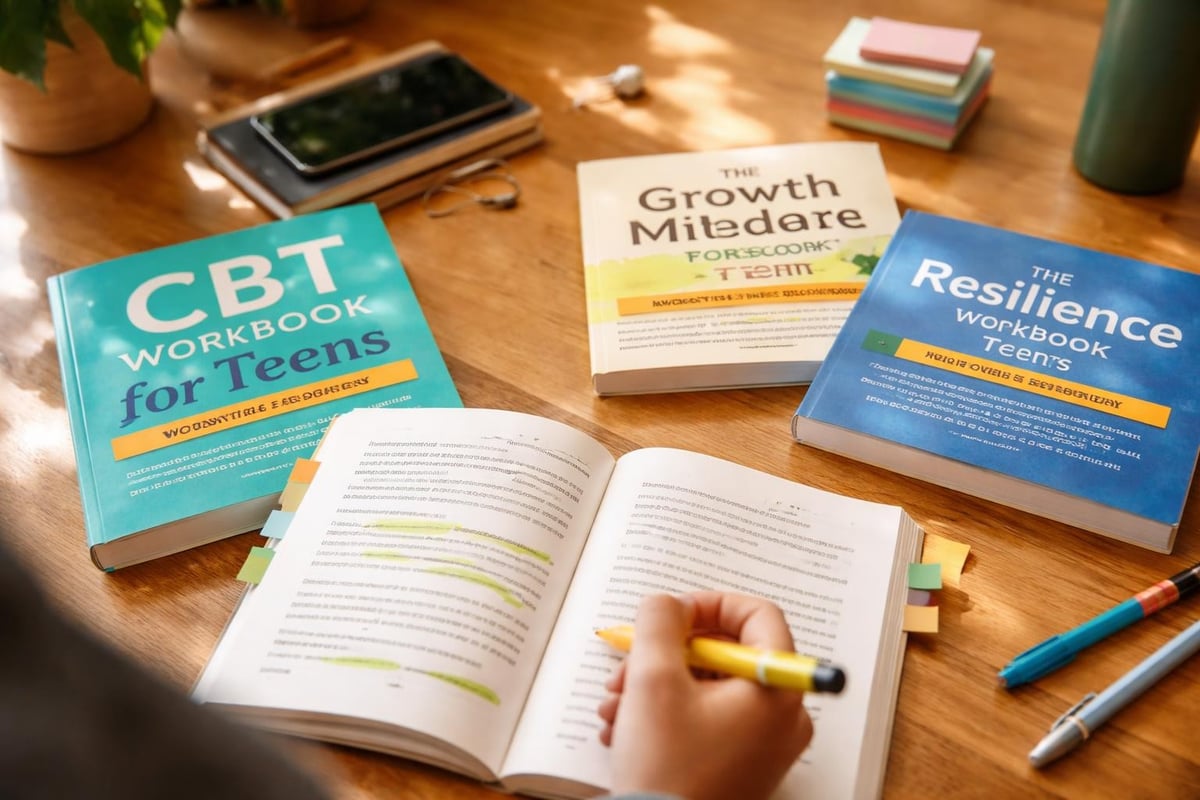
Books exploring growth mindset teach teenagers that abilities develop through effort rather than being fixed traits. This understanding transforms how teens approach challenges, viewing difficulties as opportunities for development rather than evidence of inadequacy. Resources explaining neuroplasticity help teens understand that their brains physically change in response to learning, making personal transformation not just possible but inevitable.
These scientific foundations provide hope during difficult transitions. When teens understand the biological basis for change, they develop patience with themselves during challenging periods.
Practical Implementation Strategies
Theory without application provides limited value. The best books on self-improvement balance conceptual understanding with practical implementation strategies. Look for resources that include:
- Daily practice routines that build skills incrementally
- Troubleshooting guides for common obstacles
- Progress tracking methods that demonstrate growth
- Adaptation strategies for individual circumstances
- Support-seeking frameworks when additional help becomes necessary
This structured approach prevents overwhelm while ensuring teens can actually apply what they learn rather than simply consuming information passively.
Selecting Age-Appropriate Books About Change
Developmental stage significantly impacts which change literature proves most effective. A book perfect for a fourteen-year-old may feel simplistic to an eighteen-year-old, while advanced content might overwhelm a younger teen.
Early Adolescence (Ages 12-14)
Younger teens benefit from books with:
- Clear, concrete language
- Relatable fictional or real-life examples
- Visual aids and illustrations
- Shorter chapters for sustained attention
- Positive, hopeful messaging
These readers need reassurance that their experiences are normal while learning foundational emotional regulation skills. Books about change for this age group should normalize the discomfort of transitions while building basic coping strategies.
Middle Adolescence (Ages 15-16)
Mid-teens can handle more complex content that addresses nuanced topics like identity formation, value systems, and future planning. They appreciate resources that respect their growing autonomy while providing structure for decision-making.
This age group particularly benefits from books exploring the connection between current choices and future outcomes, helping them understand how small changes compound over time.
Late Adolescence (Ages 17-19)
Older teens approaching adulthood need books about change that prepare them for independence. These resources should address college transitions, career exploration, relationship complexity, and financial responsibility. The tone can be more sophisticated, treating readers as emerging adults rather than children.
According to insights on powerful books that drive personal transformation, literature for this age group often explores philosophical questions alongside practical guidance, supporting both intellectual and emotional development.
Integrating Change Books Into Teen Development
Simply providing books about change doesn't guarantee impact. Strategic integration maximizes their effectiveness as development tools.
Creating a Reading Environment
Teens need psychological safety to engage with challenging content. Parents and educators should:
- Offer books without pressure to discuss immediately
- Respect privacy while remaining available for conversation
- Model their own engagement with change literature
- Create physical spaces conducive to reflective reading
- Allow teens to select resources based on personal interest
This approach honors teenage autonomy while maintaining supportive presence.
Discussion and Application Frameworks
When teens choose to discuss their reading, adults should focus on open-ended questions that encourage critical thinking:
- What resonated most with you in this book?
- How does this content relate to your current experiences?
- Which strategies seem most realistic to implement?
- What challenges might you face in applying these ideas?
- How could we support your experimentation with new approaches?
These conversations transform passive reading into active development, helping teens internalize and personalize the content.
Digital Age Considerations for Books About Change
Modern teenagers live in digitally mediated worlds, creating unique change challenges that previous generations didn't face. Contemporary books about change must address technology's role in teen development.
Addressing Digital Transitions
Quality change literature now incorporates guidance on:
- Managing online identity and reputation
- Navigating social media-induced comparison
- Balancing digital and in-person relationships
- Recognizing when technology use becomes problematic
- Developing healthy technology boundaries
An academic review of Mind Change explores how digital technologies reshape adolescent brain development, highlighting why modern change books must address these concerns directly.
Format Preferences and Accessibility
While physical books maintain popularity, many teens prefer digital formats that integrate with their existing technology use. E-books, audiobooks, and interactive apps expand access to change literature while accommodating different learning preferences and lifestyles.
Parents should focus on content quality rather than format preference, recognizing that engagement matters more than delivery method.
Specialized Books About Change for Specific Challenges
Some teenagers face particular challenges requiring targeted resources beyond general change literature.
Mental Health Transitions
Teens experiencing anxiety, depression, or other mental health challenges need books about change that acknowledge these conditions while offering appropriate strategies. Resources exploring books about mental illness provide valuable context for understanding how mental health affects change capacity.
These books should never replace professional treatment but can supplement therapeutic work by providing additional coping tools and normalizing experiences.
Family Structure Changes
Divorce, relocation, remarriage, and other family transitions create unique stress for teenagers. Books addressing these specific changes help teens process complex emotions, establish new routines, and maintain stability during upheaval.
The most effective resources validate difficult feelings while encouraging adaptive responses rather than dwelling exclusively on pain.
Academic and Achievement Pressures
Performance anxiety and academic stress increasingly affect teenage well-being. Books about change that address achievement culture help teens develop healthy relationships with success and failure, recognizing that setbacks provide learning opportunities rather than defining their worth.
| Challenge Type | Key Book Features | Essential Strategies | Support Resources |
|---|---|---|---|
| Test Anxiety | Stress management techniques | Breathing exercises, perspective-taking | School counselors, tutors |
| Perfectionism | Growth mindset reframing | Self-compassion practices, realistic goal-setting | Therapists, mentors |
| Procrastination | Executive function skills | Time management, motivation strategies | Academic coaches, apps |
| Comparison Pressure | Identity development | Values clarification, social media boundaries | Trusted adults, peer groups |
Building a Personal Change Library
Rather than relying on a single resource, teens benefit from curated collections addressing different aspects of their development. A comprehensive change library might include:
- Foundation books establishing core concepts about growth and development
- Skill-building resources teaching specific techniques for emotional regulation or social navigation
- Inspirational narratives demonstrating real people successfully managing transitions
- Reference guides providing quick access to strategies during difficult moments
- Reflective journals encouraging personal application and progress tracking
Exploring books about change reveals diverse approaches to transition literature, helping parents and teens identify which resources best match individual needs and preferences.
Rotating Reading Based on Current Needs
Teen needs evolve constantly. A book that proves invaluable during a friendship crisis might sit unused months later. Encourage teens to revisit their library as circumstances change, recognizing that different resources serve different seasons of development.
This flexible approach prevents resource waste while ensuring relevant support remains accessible during challenging periods.
Measuring Impact and Progress
Books about change work most effectively when teens can track their development over time. Progress measurement shouldn't create additional pressure but rather demonstrate growth and build confidence.
Qualitative Progress Indicators
Watch for signs that change literature makes a difference:
- Increased willingness to discuss emotions and challenges
- More sophisticated language for describing internal experiences
- Proactive problem-solving rather than avoidance
- Greater resilience when facing setbacks
- Improved relationships with peers and family members
These qualitative changes often precede measurable behavioral shifts, indicating that internal transformation has begun.
Creating Development Checkpoints
Regular reflection helps teens recognize their progress. Monthly or quarterly check-ins where teens review journal entries, revisit highlighted passages, or discuss applied strategies make abstract growth concrete and visible.
This practice builds metacognitive skills, helping teens become more aware of their development patterns and effective strategies.
Resources Beyond Books for Supporting Change
While books about change provide valuable foundations, comprehensive support often requires multiple resources working together. The Confidence Social Skills Pack demonstrates how combining reading materials with practical tools creates more robust support systems.
Complementary Resources
Effective teen development programs integrate:
- Structured reading materials providing knowledge and frameworks
- Interactive worksheets facilitating application and reflection
- Video content demonstrating skills and offering visual learning
- Community connections linking teens with supportive peers
- Adult guidance from parents, educators, or mentors
This multi-modal approach accommodates different learning styles while reinforcing key concepts through varied channels.
When Professional Support Becomes Necessary
Books about change serve important purposes but cannot replace professional mental health care when needed. Parents should seek additional support when teens exhibit:
- Persistent mood changes lasting several weeks
- Withdrawal from previously enjoyed activities
- Significant changes in eating or sleeping patterns
- Expressions of hopelessness or self-harm ideation
- Severe anxiety interfering with daily functioning
Quality change literature can work alongside therapy, providing additional tools and reinforcing therapeutic concepts between sessions.
Building Long-Term Change Competency
The ultimate goal extends beyond managing immediate transitions to developing lifelong change competency. Books about change should help teens build transferable skills applicable across multiple contexts and life stages.
Meta-Skills for Lifelong Adaptation
The most valuable resources teach teens:
- Self-awareness for recognizing emotional patterns and triggers
- Flexibility in adapting strategies to different situations
- Resilience for recovering from setbacks and disappointments
- Growth orientation viewing challenges as development opportunities
- Support-seeking knowing when and how to request help
These meta-skills transcend specific situations, preparing teens for whatever changes adulthood brings.
Resources from best books on change highlight how change management skills developed during adolescence create foundations for professional and personal success throughout life.
Creating Personal Change Philosophies
As teens mature, they should develop personalized change philosophies reflecting their values, strengths, and experiences. Books about change provide raw materials, but teens must construct their own frameworks through reflection and experimentation.
Encourage teens to identify which concepts resonate most strongly, which strategies prove most effective, and which values they want guiding their decisions. This personalization transforms external advice into internal wisdom.
Books about change offer teenagers invaluable guidance during one of life's most transformative periods, providing frameworks for understanding emotions, building resilience, and navigating transitions with confidence. Reading alone isn't enough-teens need comprehensive support systems combining quality literature with practical tools and trusted guidance. At Emmadavisbooks.com, we specialize in creating exactly these kinds of integrated resources, offering guides, toolkits, and books specifically designed to help teenagers develop essential life skills and emotional competency. Our materials provide the practical strategies and proven techniques that transform reading into real-world growth, supporting teens as they build the resilience and confidence needed to thrive during adolescence and beyond.