


10 Essential Books About Mental Disorders to Read in 2026
Conversations about mental health have gained unprecedented momentum worldwide, with millions affected by mental illness each year. As understanding grows, books about mental disorders play a crucial role in shaping empathy and awareness.
This article presents 10 essential books about mental disorders everyone should read in 2026. Each title offers unique perspectives, practical insights, and transformative stories.
Through this curated list, you will discover why these books stand out, what you can learn from them, and how literature helps break the stigma surrounding mental illness. Begin your journey toward deeper understanding and support today.
The Importance of Reading About Mental Disorders
Reading books about mental disorders plays a transformative role in how society views and supports mental health. These works not only inform but also foster understanding, compassion, and action. By exploring personal narratives and expert insights, readers gain a deeper appreciation for the complexities of mental health challenges.
Understanding Stigma and Empathy
Literature has a profound impact on reducing stigma and building empathy for those affected by mental illness. When readers engage with books about mental disorders, they encounter authentic stories that break down misconceptions and humanize complex conditions. For example, memoirs like "An Unquiet Mind" have shifted public attitudes toward bipolar disorder, making it easier for others to relate and support.
Research shows that storytelling is a powerful tool in combating stigma. According to a systematic review of interventions to reduce mental health stigma in young people, well-crafted narratives can change minds and foster acceptance. As more people read these narratives, the ripple effect extends to families, workplaces, and communities, slowly transforming societal attitudes.
Enhancing Awareness and Education
Books about mental disorders serve as invaluable educational resources. They help readers identify symptoms, understand diagnostic processes, and appreciate the lived experiences of those affected. Increasing mental health literacy through literature leads to better recognition and earlier intervention, which can significantly improve outcomes for individuals.
Statistics reveal that higher mental health literacy is associated with reduced stigma and healthier help-seeking behaviors. Educational books, both memoirs and guides, often present complex information in an accessible way. As a result, readers gain practical knowledge, which they can apply in real-life situations, fostering a more informed and compassionate society.
Supporting Loved Ones and Self-Help
For families, friends, and individuals facing mental health challenges, books about mental disorders offer support and practical strategies. Memoirs provide comfort and validation, letting readers know they are not alone in their experiences. Self-help guides present actionable tools for coping and recovery, empowering both those living with mental illness and those supporting them.
Case studies demonstrate that shared reading can strengthen support networks. When loved ones read the same book, it opens channels for honest dialogue and mutual understanding. This shared knowledge becomes a foundation for empathy, resilience, and better communication within families and communities.
Promoting Advocacy and Social Change
Literature often acts as a catalyst for advocacy and broader social change. Books about mental disorders inspire readers to challenge outdated beliefs, participate in policy discussions, and support mental health initiatives. Many authors use their platforms to raise awareness and push for systemic improvements.
Readers, too, can become advocates after connecting with compelling stories. The influence of widely-read mental health books can be seen in increased funding for research, changes in workplace policies, and greater representation in media. As these books reach more people, they continue to drive progress toward a more inclusive and supportive society.
10 Essential Books About Mental Disorders to Read in 2026
Exploring the most influential books about mental disorders can be transformative for readers seeking empathy, knowledge, and practical support. This curated list features diverse genres and perspectives, offering insights into conditions ranging from depression to schizophrenia. By engaging with these books about mental disorders, you can deepen your understanding, challenge stigma, and discover new avenues for personal growth. For those interested in expanding their reading list, consider these books about mental illness for further inspiration.
1. The Collected Schizophrenias by Esmé Weijun Wang
Esmé Weijun Wang's "The Collected Schizophrenias" stands as a powerful collection of essays that explores the nuanced realities of living with schizoaffective disorder. This book is a cornerstone among books about mental disorders, blending personal experience with cultural analysis to demystify a condition often misunderstood.
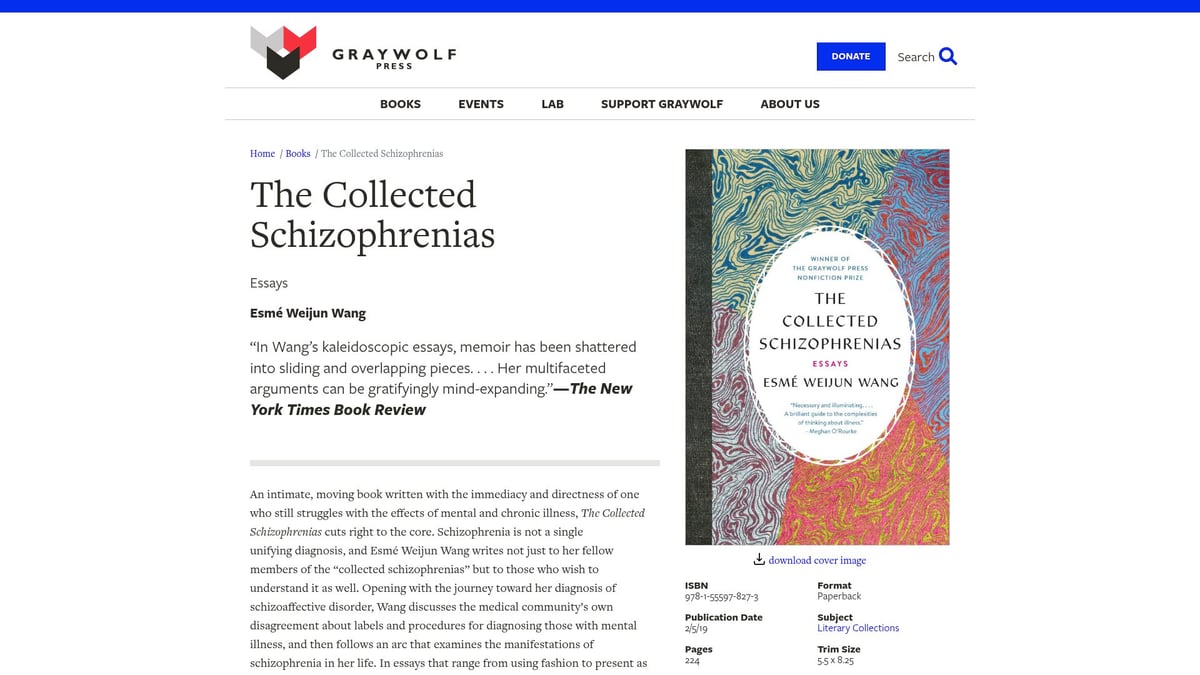
Wang invites readers into her world, detailing the challenges of diagnosis, the complexities of treatment, and the impact of societal perceptions. What sets this book apart is its lyrical prose and unapologetic honesty, making it a must-read for anyone wanting a deeper perspective on schizophrenia.
Key features:
- Explains medical and cultural aspects of schizoaffective disorder
- Shares personal stories that foster empathy and understanding
- Encourages destigmatization and open dialogue
Readers of books about mental disorders will find Wang’s essays both informative and moving, offering a human face to clinical terms and statistics.
2. An Unquiet Mind by Kay Redfield Jamison
"An Unquiet Mind" is a landmark memoir by Kay Redfield Jamison, a clinical psychologist who chronicles her lifelong journey with bipolar disorder. As one of the most cited books about mental disorders, it offers a rare blend of scientific insight and deeply personal narrative.
Jamison recounts her struggles and successes within academia and medicine, providing readers with both hope and practical wisdom. Her willingness to discuss vulnerability, stigma, and resilience makes this book essential reading.
Highlights include:
- Honest portrayal of living and working with bipolar disorder
- Integration of medical knowledge with lived experience
- Advice and encouragement for those affected by mood disorders
By reading books about mental disorders like this, individuals can gain a renewed sense of hope and an understanding that recovery and achievement are possible.
3. Lost Connections by Johann Hari
Johann Hari’s "Lost Connections" challenges the conventional wisdom surrounding depression and anxiety, making it a thought-provoking addition to books about mental disorders. Hari investigates the root causes of these conditions, examining factors beyond simple chemical imbalances.
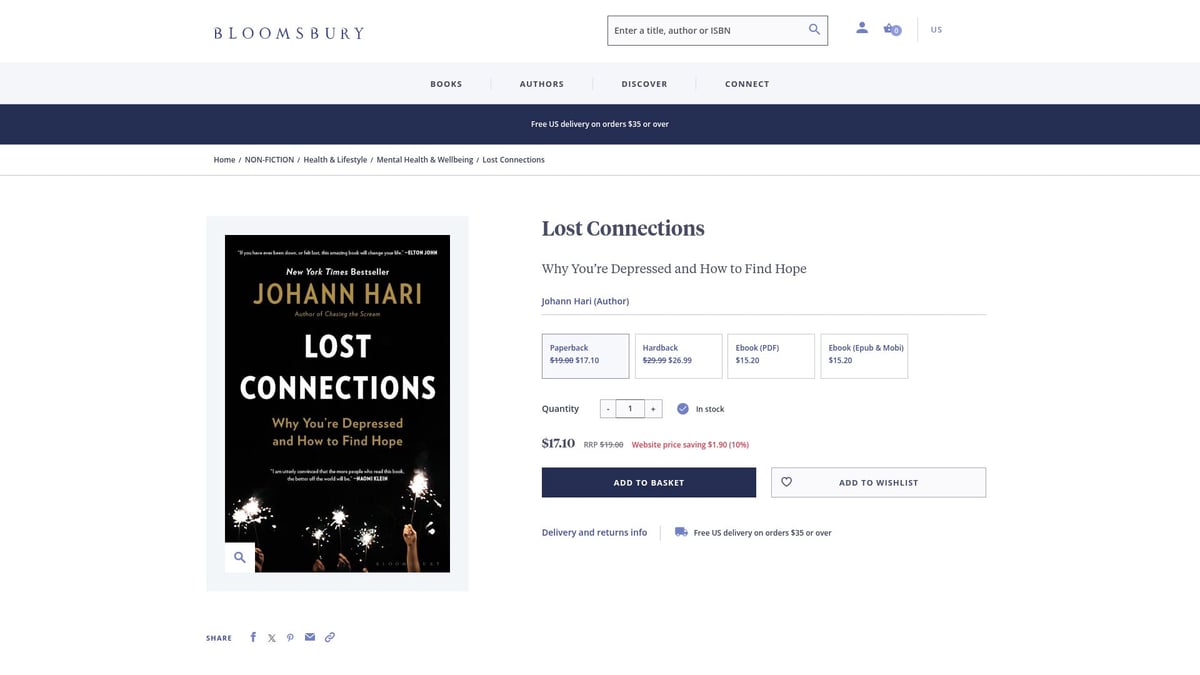
The book draws on interviews with scientists, mental health experts, and people with lived experience. Hari explores social, environmental, and psychological contributors to mental health, prompting readers to rethink their assumptions.
Key takeaways:
- Explores alternative explanations for depression and anxiety
- Encourages holistic approaches to treatment and recovery
- Sparks debate among readers and professionals
Books about mental disorders that ask difficult questions, like Hari’s, help foster critical thinking and invite more comprehensive solutions.
4. The Center Cannot Hold by Elyn R. Saks
Elyn R. Saks’ memoir, "The Center Cannot Hold," offers an extraordinary account of living with schizophrenia while achieving academic excellence. This book is frequently cited in discussions about books about mental disorders due to its honest portrayal of struggle, perseverance, and advocacy.
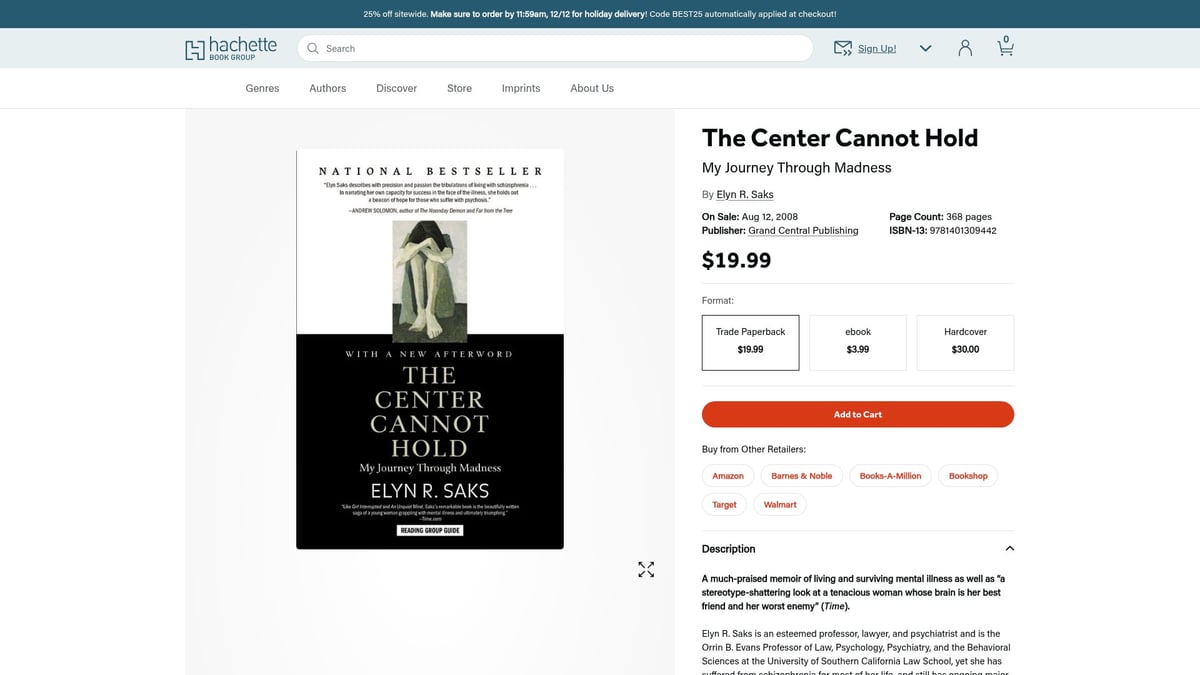
Saks details her journey through severe symptoms, hospitalizations, and the power of supportive networks. Her story is both inspiring and educational, showing that people with mental disorders can live fulfilling, impactful lives.
Notable features:
- Personal narrative blended with legal and academic themes
- Emphasis on the importance of advocacy and support systems
- Used in university courses to teach about mental health
For those seeking books about mental disorders that highlight resilience, Saks’ memoir is an essential read.
5. Furiously Happy by Jenny Lawson
"Furiously Happy" by Jenny Lawson brings humor and lightness to the conversation about mental health. As one of the most uplifting books about mental disorders, Lawson’s memoir uses comedy to break down stigma and create a sense of community.
Lawson’s candid stories about living with depression and anxiety resonate with readers who want both laughter and validation. Her practical tips and relatable anecdotes make complex topics accessible.
Why readers love it:
- Balances humor with serious mental health discussions
- Offers coping techniques and relatable experiences
- Builds a supportive, open community through storytelling
Books about mental disorders that incorporate humor, like this one, can help readers feel less alone and more empowered.
6. Brain on Fire by Susannah Cahalan
Susannah Cahalan’s "Brain on Fire" is a gripping true story about her sudden descent into psychosis caused by a rare autoimmune disorder. Among books about mental disorders, this memoir stands out for its exploration of the intersection between neurology and psychiatry.
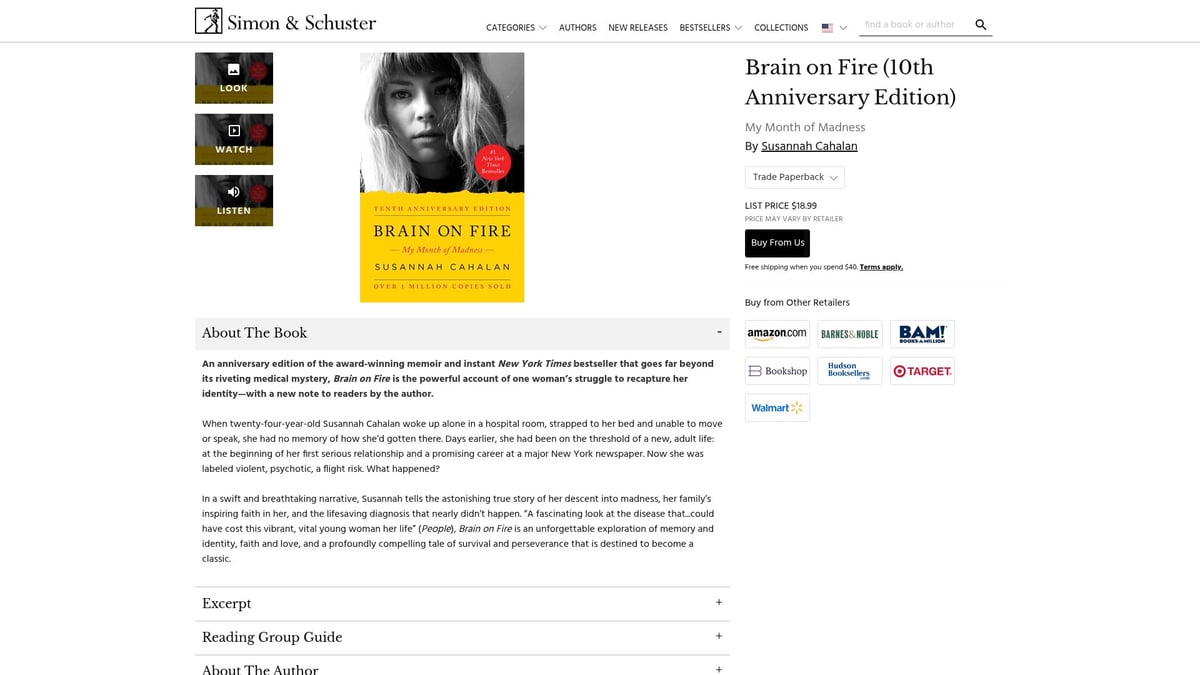
Cahalan’s journey through misdiagnosis, medical investigation, and eventual recovery highlights the importance of advocacy and awareness of less common conditions. The book’s adaptation into a major film further amplifies its reach.
Essential elements:
- First-person account of medical mystery and mental health crisis
- Insight into the importance of accurate diagnosis
- Raises awareness of neurological factors in mental disorders
Readers interested in unique books about mental disorders will find Cahalan’s story enlightening and unforgettable.
7. Maybe You Should Talk to Someone by Lori Gottlieb
"Maybe You Should Talk to Someone" by Lori Gottlieb offers a behind-the-scenes look at therapy from both the therapist’s and patient’s perspective. As a standout among books about mental disorders, it blends humor, vulnerability, and professional insight.
Gottlieb shares her own experiences in therapy while also recounting the journeys of her clients. The book demystifies the therapeutic process and emphasizes the importance of seeking help.
Key points:
- Illuminates the therapy process and personal transformation
- Addresses topics like grief, anxiety, and self-acceptance
- Appeals to both clinicians and general readers
Books about mental disorders like Gottlieb’s foster openness and encourage readers to embrace mental health support.
8. It’s Kind of a Funny Story by Ned Vizzini
Ned Vizzini’s "It’s Kind of a Funny Story" is a semi-autobiographical novel that explores teenage depression and recovery. This title is often recommended as one of the most accessible books about mental disorders for young adults and families.
Vizzini’s storytelling balances serious themes with humor, making it relatable and engaging for readers of all ages. The book is used in schools to promote mental health awareness and spark meaningful conversations.
Highlights:
- Written in a style that appeals to teens and parents
- Tackles difficult topics with sensitivity and wit
- Encourages open discussion about mental health in adolescence
Books about mental disorders that resonate with younger audiences are vital for early intervention and support.
9. Reasons to Stay Alive by Matt Haig
"Reasons to Stay Alive" by Matt Haig is a deeply moving memoir about surviving depression and anxiety. This book has become a touchstone among books about mental disorders for its blend of personal narrative and practical advice.
Haig’s honest reflections and accessible writing style offer hope and comfort to those in the midst of mental health struggles. The book is widely shared in support groups and mental health communities.
Why it matters:
- Provides actionable strategies for recovery
- Combines memoir with self-help elements
- Noted for its emotional resonance and straightforward advice
Readers seeking books about mental disorders that inspire hope will find Haig’s story particularly meaningful.
10. Emotional Reset Kit by Emma Davis Books
The "Emotional Reset Kit" by Emma Davis Books is a practical, evidence-based guide for teenagers and those who support them. As one of the newest books about mental disorders, it offers concrete tools for managing emotions and building resilience.
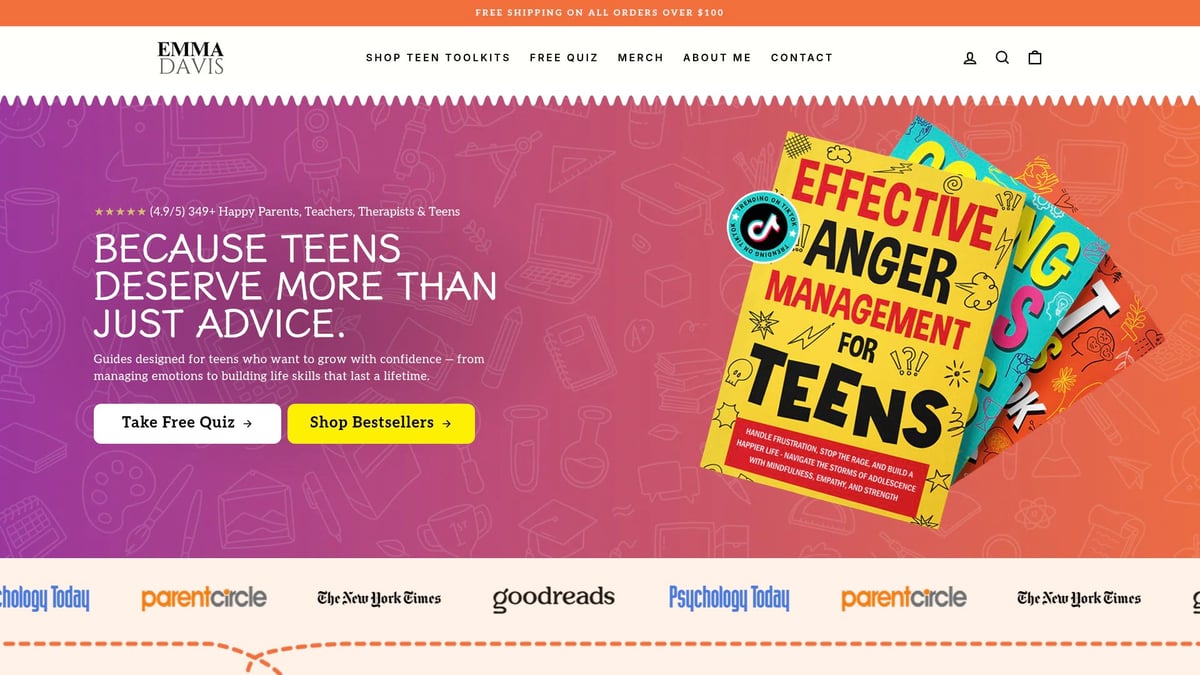
Drawing from CBT and DBT techniques, the kit includes exercises, journaling prompts, and real-life scenarios. Its approachable tone and proven effectiveness make it a popular choice for parents, educators, and therapists.
Key features:
- Focus on developing lifelong coping skills and confidence
- Suitable for teens, families, and professionals
- Affordable bundles and a risk-free guarantee
Books about mental disorders like the Emotional Reset Kit empower the next generation with vital emotional skills.
How to Choose the Right Book for Your Needs
Choosing the right books about mental disorders can be a transformative step toward better understanding, support, and personal growth. With such a vast array of titles available, it is important to select resources that truly resonate with your unique journey or the needs of someone you care about.
Matching Books to Personal Experience
Start by reflecting on your own mental health journey or the experiences of a loved one. Consider what you or they hope to gain from reading books about mental disorders. Are you seeking personal stories, practical guidance, or a mix of both?
A helpful way to match needs with books is to look at the following factors:
| Factor | Memoir | Practical Guide | Fiction |
|---|---|---|---|
| Age group | Teens, Adults | All ages | Teens, Adults |
| Reading level | Moderate-Advanced | Basic-Advanced | All levels |
| Cultural relevance | Varies | Varies | Varies |
For younger readers, exploring curated lists such as the best books for teens can help ensure age-appropriate content. By aligning your choice with personal needs, you will maximize the impact of books about mental disorders.
Considering Professional Recommendations
Mental health professionals are valuable resources when selecting books about mental disorders. Therapists, counselors, and support groups often suggest titles that are both evidence-based and relatable.
Seek out books endorsed by respected mental health organizations or reviewed by clinicians. This ensures the information is accurate and the advice is trustworthy. Clinical relevance is especially important when looking for guidance on specific symptoms or coping strategies.
If you are part of a support network, ask peers for their favorite books about mental disorders. Their lived experiences can point you toward titles that have made a real difference.
Balancing Memoir, Fiction, and Practical Guides
Each genre within books about mental disorders offers unique benefits. Memoirs provide a window into real-life experiences, helping readers build empathy. Fiction can make difficult topics more accessible, especially for younger audiences. Practical guides offer concrete steps and exercises for managing symptoms.
Consider balancing your reading list with a mix of these genres:
- Memoirs for personal insight and connection
- Fiction for relatable narratives and emotional engagement
- Practical guides for actionable strategies
For example, the Emotional Reset Kit guide is a hands-on resource designed to build resilience, making it a valuable addition alongside narrative works. By exploring different types of books about mental disorders, you can deepen both understanding and practical skills.
The Evolving Landscape of Mental Health Literature in 2026
The world of books about mental disorders is evolving rapidly, reflecting shifts in society, science, and technology. As we move into 2026, readers can expect greater diversity, deeper integration of research and personal narratives, and innovative digital resources that make these important stories more accessible than ever.
Trends in Representation and Diversity
One of the most significant trends in books about mental disorders is the broadening of perspectives. More authors from BIPOC, LGBTQ+, and neurodiverse backgrounds are telling their stories, bringing authenticity and nuance to the conversation. This shift is essential for readers who seek to understand mental health across cultures and identities.
Recent publishing data shows a marked increase in titles featuring diverse protagonists and authors. As a result, readers can explore mental health topics through a wider lens, deepening empathy and awareness. This diversity in books about mental disorders encourages everyone to see themselves reflected and fosters a sense of belonging.
Integration of Science and Lived Experience
Books about mental disorders are increasingly blending scientific research with firsthand accounts. Authors now combine neuroscience, psychology, and real-life stories to help readers grasp the complexity of mental health conditions. This hybrid approach offers both credibility and relatability.
Research-based memoirs are gaining popularity, providing evidence-based insights alongside personal narratives. Such books are influencing public opinion and clinical practice alike, making mental health education more approachable. According to Mental Health Education in Schools, integrating literature into curricula enhances understanding and reduces stigma among students and educators.
The Role of Digital and Interactive Formats
The rise of digital publishing is transforming how people access books about mental disorders. Audiobooks, eBooks, and interactive guides are becoming standard, making information available to a broader audience. These formats support readers with different learning styles and accessibility needs.
Interactive resources, such as Managing teen emotions and mental health, offer practical exercises and multimedia content designed for young people. As digital access expands, more individuals can discover reliable information and find supportive communities. The future of mental health publishing promises even greater innovation and connection.
As we’ve seen, reading about mental disorders is a powerful way to build empathy, deepen understanding, and support ourselves or those we care about. If you’re ready to go beyond reading and want practical tools that empower teens to manage emotions and build resilience, I highly recommend taking the next step. You don’t have to navigate this journey alone—there are proven resources designed specifically for you and your family. If you’re looking for a guide that’s approachable, evidence-based, and truly effective, Claim Your Teen's Reset Kit Today!