


9 Essential Books About Stress to Transform Your Wellbeing 2026
Did you know that over 75% of adults report experiencing moderate to high stress levels each year? In 2026, stress continues to impact both mental and physical health, shaping the quality of our daily lives. With so many seeking relief, finding the right resources is more important than ever.
This article will guide you through nine essential books about stress, each offering transformative insights and practical solutions for lasting wellbeing. From scientific explorations to actionable guides, these selections cater to every type of reader.
Ready to reclaim control of your wellbeing? Discover which books about stress can make a real difference in your life.
Understanding Stress and Its Impact in 2026
Stress is a natural response to challenges, yet in 2026, its nature has evolved alongside our rapidly changing world. Today, stress is not only more prevalent but also more complex, affecting people at every stage of life. The demands of modern society, the rise of technology, and shifting economic landscapes all contribute to a heightened sense of pressure.
Recent years have seen a marked increase in stress levels globally. According to recent stress statistics, over 75% of adults in the United States report experiencing moderate to high stress. This trend is mirrored worldwide, with the World Health Organization noting a surge in stress-related health issues. Chronic stress has become a leading risk factor for heart disease, immune dysfunction, and metabolic disorders, making it a critical public health concern.
The impact of stress extends far beyond physical health. Persistent stress can trigger or worsen anxiety, depression, and burnout. These psychological effects often go hand in hand with physical symptoms, creating a cycle that is difficult to break. As digital overload and constant connectivity blur the boundaries between work and life, many individuals find it challenging to disconnect and recharge.
Emerging stressors in 2026 include economic uncertainty, global instability, and social isolation. Remote work, while offering flexibility, can also intensify feelings of loneliness and disconnection. For young people, pressures from academic performance, social media, and future planning add new layers of complexity to stress. Adults and professionals face job insecurity and financial worries, while older adults may struggle with health concerns and reduced social contact.
The table below summarizes how stress uniquely affects different demographics:
| Demographic | Common Stressors | Key Impacts |
|---|---|---|
| Teens | Academic pressure, social media | Anxiety, sleep disruption |
| Adults | Work-life balance, finances | Burnout, chronic illness |
| Professionals | Job demands, performance expectations | Fatigue, reduced productivity |
| Seniors | Health, social isolation | Depression, physical decline |
With such widespread impact, the need for effective solutions is greater than ever. Many turn to books about stress as evidence-based resources for guidance. Unlike fleeting advice found online, these books offer well-researched strategies that address both the causes and effects of stress.
Self-education through books about stress empowers individuals to take control of their wellbeing. By understanding the science behind stress and learning proactive coping mechanisms, readers can break the cycle of overwhelm. Actionable insights found in these resources help foster resilience and long-term mental and physical health.
In a world where stress is a constant companion, investing time in reliable, expert-backed books about stress is an essential step toward lasting wellbeing.
How Books Can Transform Your Wellbeing
Books about stress have a unique power to transform wellbeing in ways that go beyond surface-level advice. By delving into the pages of these carefully crafted works, readers can access in-depth knowledge and practical strategies that empower meaningful change. These books about stress provide a foundation for understanding personal triggers, exploring evidence-based solutions, and developing lifelong skills for resilience.
Unlike quick-fix tips or fleeting digital content, books about stress offer a structured journey that encourages reflection and self-discovery. While stress management apps and podcasts may provide instant relief, they often lack the depth and personalization that books about stress deliver. Consider the following comparison:
| Resource Type | Depth of Insight | Personalization | Longevity of Impact |
|---|---|---|---|
| Books about stress | High | High | Long-term |
| Apps | Medium | Medium | Short-term |
| Podcasts | Low | Low | Variable |
| Workshops | Varies | High | Episodic |
One of the main advantages of books about stress is the opportunity for self-paced learning. Readers can absorb information at their own speed, revisit essential chapters, and reflect on techniques that resonate with their unique experiences. This flexibility makes books about stress particularly effective for fostering lasting mindset shifts and behavioral changes.
Research supports the value of reading as a therapeutic tool. Studies on Bibliotherapy's effectiveness in stress reduction have shown that engaging with well-chosen books can significantly lower stress levels, enhance coping skills, and improve overall mental health. Real-life stories abound of individuals who, after reading books about stress, have successfully implemented new routines, improved their relationships, and regained a sense of control.
The diversity of approaches found in books about stress ensures there is a resource for every reader. Some highlight scientific perspectives, while others blend spiritual, holistic, or practical advice. Common approaches include:
- Cognitive-behavioral strategies
- Mindfulness and meditation practices
- Holistic lifestyle adjustments
- Emotional intelligence development
Choosing the right book is crucial. Readers should consider their preferred style of learning, the credibility of the author, and the specific stress challenges they face. Sampling chapters and reading reviews can help identify the most relevant books about stress for individual needs.
In a world saturated with information, books about stress stand out as reliable, transformative companions on the journey to lasting wellbeing. By integrating insights from these resources, readers can build a toolkit for resilience, self-care, and lifelong growth.
9 Essential Books About Stress to Transform Your Wellbeing
Finding the right books about stress can be transformative for your wellbeing. Whether you seek scientific insight, practical techniques, or holistic approaches, these nine essential titles offer actionable strategies for lasting change. Explore this curated list to discover which resource aligns best with your needs and lifestyle.
Burnout: The Secret to Unlocking the Stress Cycle by Emily Nagoski & Amelia Nagoski
Burnout is a standout among books about stress, especially for women facing chronic pressure. The Nagoski sisters explain the “stress cycle,” showing how emotional stress lingers until fully processed. Their research-backed advice focuses on practical steps to complete this cycle, like physical activity and social connection.
Key features:
- Science-driven strategies tailored to gender-specific stress.
- Actionable exercises for immediate relief.
Pros:
- Relatable stories from real women.
- Simple, effective routines.
Cons:
- Some content may feel repetitive for seasoned readers.
Ideal for professionals, caregivers, and anyone seeking validation for their experiences. With a paperback price of about $18, Burnout is a wise investment for those ready to break free from exhaustion.
The Upside of Stress: Why Stress Is Good for You, and How to Get Good at It by Kelly McGonigal
The Upside of Stress redefines how we see stress, positioning it as a catalyst for growth. Unlike other books about stress that focus solely on reduction, McGonigal urges readers to embrace stress as a tool for learning and resilience.
What sets this book apart:
- Evidence-based techniques to shift your stress mindset.
- Inspiring case studies that show stress can be a positive force.
Pros:
- Uplifting, motivational tone.
- Practical exercises for daily life.
Cons:
- Some may find the reframe challenging at first.
Ideal for anyone wanting to transform stress into strength, this book, at around $17, offers a refreshing take on personal development.
Why Zebras Don’t Get Ulcers by Robert M. Sapolsky
Why Zebras Don’t Get Ulcers is a classic among books about stress, blending humor with deep scientific analysis. Sapolsky explores why animals recover quickly from stress, while humans often don’t.
Highlights:
- Accessible biology lessons on stress and health.
- Engaging anecdotes that clarify complex science.
Pros:
- Thorough and entertaining.
- Balances depth with readability.
Cons:
- Some sections can be information-dense.
Perfect for readers seeking to understand the biological roots of stress, this comprehensive guide costs about $20 in paperback.
The Stress Solution: The 4 Steps to Reset Your Body, Mind, Relationships & Purpose by Dr. Rangan Chatterjee
The Stress Solution stands out among books about stress for its holistic, four-step framework. Dr. Chatterjee addresses body, mind, relationships, and purpose, offering a practical roadmap for lasting wellbeing.
Key features:
- Daily routines and real-life case studies.
- Exercises to integrate into any schedule.
Pros:
- Clear, actionable advice.
- Designed for gradual, sustainable change.
Cons:
- Lifelong habits may take time to build.
This book is ideal for those seeking comprehensive lifestyle transformation, priced at about $26 for hardcover.
When the Body Says No: Exploring the Stress-Disease Connection by Gabor Maté, MD
When the Body Says No is a profound entry in books about stress, delving into the mind-body connection. Dr. Maté draws on patient stories and research to reveal how chronic stress contributes to serious illness.
Unique aspects:
- Compassionate exploration of emotional suppression and disease.
- Practical guidance on setting boundaries.
Pros:
- Deeply insightful, empathetic writing.
- Evidence-based recommendations.
Cons:
- Heavy topics may require reflection.
This book suits those interested in holistic health and understanding their body’s signals. Paperback pricing is around $18.
The Relaxation Response by Herbert Benson, MD
The Relaxation Response is a foundational book among books about stress, introducing simple techniques for rapid relief. Dr. Benson explains how meditation and breathing can counteract stress’s effects.
Features:
- Step-by-step instructions for the “relaxation response.”
- Accessible for any skill level.
Pros:
- Timeless, practical methods.
- Quick to implement.
Cons:
- Some techniques may feel basic to advanced readers.
Perfect for beginners or anyone seeking easy stress relief, this classic costs about $16 in paperback.
Dare: The New Way to End Anxiety and Stop Panic Attacks Fast by Barry McDonagh
Dare is a game-changer in books about stress, especially for those battling anxiety and panic. McDonagh introduces the DARE response, a step-by-step method to break the cycle of fear.
Key points:
- Fast-acting techniques for immediate results.
- Supportive online community for readers.
Pros:
- Clear, actionable steps.
- Focused on anxiety-driven stress.
Cons:
- Less coverage of general stress management.
Ideal for those seeking quick relief from anxiety and panic, this resource is available for about $15 in paperback.
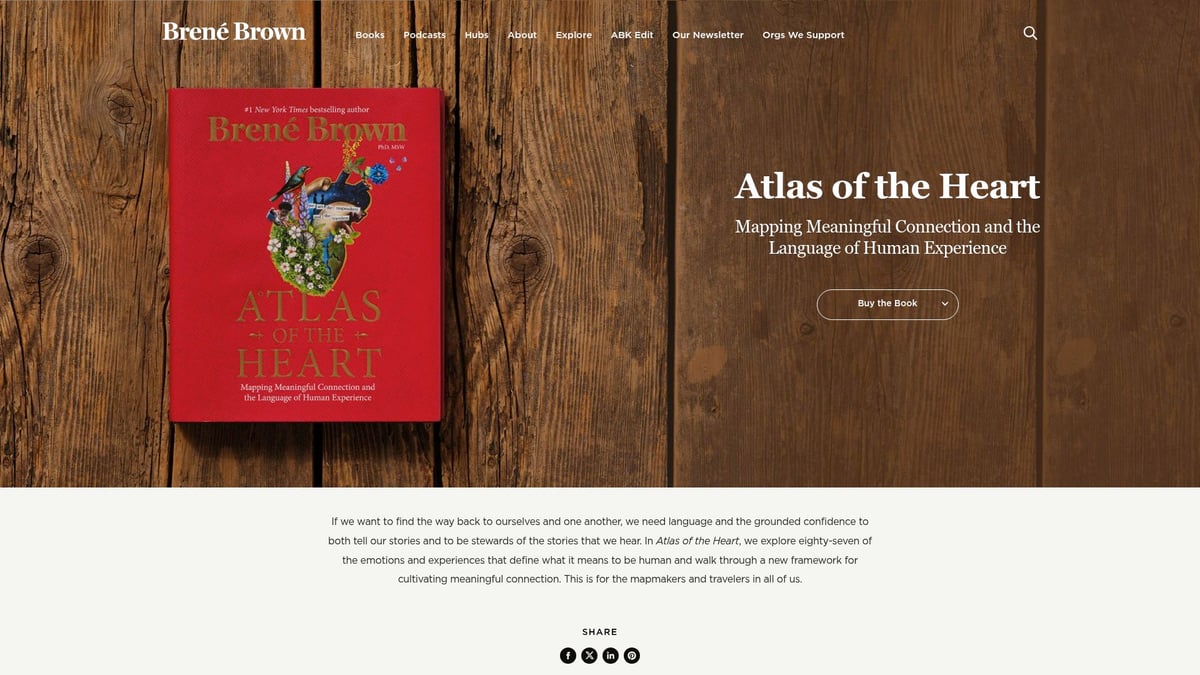
Atlas of the Heart: Mapping Meaningful Connection and the Language of Human Experience by Brené Brown
Atlas of the Heart is a visually engaging addition to books about stress, focusing on emotional understanding. Brené Brown explores how emotional literacy and connection can build resilience.
Highlights:
- Research-driven insights into human emotions.
- Emphasis on connection as a buffer against stress.
Pros:
- Beautiful visuals and storytelling.
- Encourages self-reflection.
Cons:
- More exploratory than prescriptive.
Ideal for readers aiming to deepen emotional intelligence, this hardcover book is priced around $30.
The Mindful Way Through Stress: The Proven 8-Week Path to Health, Happiness, and Well-Being by Shamash Alidina
The Mindful Way Through Stress is one of the most practical books about stress, offering an 8-week mindfulness program. Alidina provides guided meditations and exercises for gradual, sustainable change.
Features:
- Structured plan with weekly progress.
- Tools for self-reflection and stress tracking.
Pros:
- Evidence-based, accessible approach.
- Suitable for all experience levels.
Cons:
- Requires daily commitment.
This book is ideal for those ready to integrate mindfulness into their routine, available for about $17 in paperback.
Quick Comparison Table
| Book Title | Focus | Unique Feature | Best For | Price |
|---|---|---|---|---|
| Burnout | Completing stress cycle | Gender-specific strategies | Women, caregivers | ~$18 |
| The Upside of Stress | Positive stress mindset | Growth from stress | Personal development | ~$17 |
| Why Zebras Don’t Get Ulcers | Stress biology | Humor & science | Science enthusiasts | ~$20 |
| The Stress Solution | Holistic reset | 4-step framework | Lifestyle changers | ~$26 |
| When the Body Says No | Stress-disease link | Mind-body connection | Holistic health seekers | ~$18 |
| The Relaxation Response | Rapid relief | Simple techniques | Beginners | ~$16 |
| Dare | Anxiety & panic | DARE method | Anxiety sufferers | ~$15 |
| Atlas of the Heart | Emotional awareness | Visual exploration | Emotional growth | ~$30 |
| The Mindful Way Through Stress | Mindfulness program | 8-week plan | Mindful living | ~$17 |
If you are searching for additional hands-on strategies for teens, you might also find Coping Skills for Teens Unleashed a valuable companion to these books about stress, offering practical exercises that support young people in managing daily pressures.
Each of these books about stress brings a unique perspective, empowering you to build resilience, foster self-awareness, and create lasting wellbeing in 2026.
Choosing the Right Stress Book for Your Needs
Selecting the best books about stress begins with an honest look at your personal stressors and preferred way of learning. Are you seeking in-depth scientific explanation, actionable exercises, or perhaps emotional guidance? Consider your daily challenges, triggers, and even your life stage. For example, teens often face unique pressures from school and social media, so specialized guides like Managing Teen Emotions and Mental Health can be especially helpful.
Reflect on how you absorb new information. Some readers thrive on detailed case studies, while others prefer simple, visual step-by-step guides. Skim through sample chapters when available, and read independent reviews to gauge if a book’s style and depth suit your needs. The credibility and approach of the author matter too. Look for credentials, evidence-based content, or holistic perspectives that resonate with your beliefs. Use the table below to help match your preferences:
| Preference | Book Type | Ideal Approach |
|---|---|---|
| Science-based | Research-focused | Data, studies, expert commentary |
| Practical | Step-by-step guides | Checklists, exercises, routines |
| Holistic/Spiritual | Mind-body connection | Mindfulness, emotional wisdom |
Once you have chosen your books about stress, focus on integrating their insights into your daily routine. Set aside small pockets of time each day for reading and reflection. Try out recommended exercises, mindfulness techniques, or journaling prompts. Tools like the Emotional Reset Kit can offer immediate support as you apply new strategies. Many readers find success by combining reading with group discussions or tracking progress in a journal. Start with small, sustainable changes, and remember that building a habit around self-care and growth is a gradual process.
Integrating Insights into Daily Life for Lasting Wellbeing
Applying what you learn from books about stress can unlock lasting improvements in your health and resilience. Reading alone is not enough; true change happens when you bring new knowledge into your everyday routines. This section guides you through practical ways to weave these lessons into your life, helping you create sustainable habits that support wellbeing.
Turning Insights into Action
The first step is to identify which strategies from books about stress resonate with your unique needs. For example, if you find mindfulness techniques helpful, schedule a few minutes each morning for deep breathing or meditation. If cognitive reframing appeals to you, practice challenging negative thoughts during stressful moments.
Make these actions visible in your daily environment. Place reminders on your phone, use sticky notes, or keep your chosen book within reach. Consistently returning to practical exercises makes it easier to move from theory to action.
Building Consistent Habits
Consistency is key to transforming insights from books about stress into real behavior change. Start small: choose one practice, such as mindful breathing, and repeat it at the same time each day. Over time, this repetition forms a habit that can help regulate your stress response.
Journaling is another powerful tool. Reflecting on your experiences after trying a new technique helps you notice patterns and track progress. Sharing your journey with a discussion group or accountability partner can provide support and motivation.
Leveraging Tools and Support
Integrating lessons from books about stress is easier with the right tools and community. Journals, habit trackers, and guided meditations can reinforce your learning. Some readers find that wearing visual reminders, like a Breathe Reset Repeat T-Shirt Mindful Breathing Graphic Tee, helps them remember to pause and practice mindful breathing throughout the day.
Consider supplementing your reading with group discussions, workshops, or professional therapy. These resources can help deepen your understanding and provide personalized feedback as you apply new strategies.
Overcoming Challenges and Celebrating Progress
Implementing new habits is not always straightforward. You may encounter setbacks like time constraints or emotional resistance. When obstacles arise, revisit your favorite passages from books about stress, and remind yourself of your motivations. Adjust your approach if a strategy is not working—flexibility is part of the process.
Research demonstrates that bibliotherapy, or the use of books for personal growth, can have long-term benefits for mental health. Studies on the long-term effects of bibliotherapy on depression highlight improvements in wellbeing when individuals consistently apply reading insights. Celebrate small victories, whether it is a calmer response to a tough day or a new sense of control over your stress.
The journey to lasting wellbeing is ongoing. As new research and books about stress emerge, continue to update your toolkit. By consistently integrating evidence-based insights into your daily life, you set the stage for improved health, relationships, and fulfillment.
As you explore these nine transformative books and discover practical ways to manage stress, remember that true wellbeing comes from taking action and building healthy habits day by day. Whether you’re a teen, parent, or educator, making space for growth and resilience is essential in today’s fast-paced world. If you’re ready to go a step further and give teens the tools they need to reset, recharge, and thrive, I encourage you to Start the Reset. Empower yourself or the young people in your life with proven strategies for emotional health and lasting confidence.