


9 Essential Books of Confidence to Transform Your Life in 2026
In 2026, confidence stands as a key driver of success, shaping how we pursue our goals and respond to challenges in both personal and professional spheres. The world is evolving rapidly, and self-assurance is more critical than ever before.
Reading can be a powerful catalyst for change. The right books of confidence offer proven strategies, mindset shifts, and real-life inspiration, helping readers build lasting self-belief and resilience.
This article reviews 9 essential books of confidence, each selected to guide you toward greater self-assurance and fulfillment in 2026. Discover how these titles can spark transformation in your life.
Why Confidence Matters More Than Ever in 2026
In 2026, confidence is not just an advantage, it is a necessity. The world is evolving at unprecedented speed, and those with strong self-assurance are best equipped to thrive. As technology reshapes every aspect of our lives, the need for books of confidence has never been more apparent.
The demands of modern life can be overwhelming. Social media continually exposes us to comparison and scrutiny, often undermining self-worth. Remote work has blurred the lines between personal and professional spheres, requiring individuals to assert themselves in virtual spaces. In this climate, books of confidence provide targeted strategies to help readers maintain their sense of self amid constant change.
Confidence goes hand-in-hand with mental health. Recent studies show that individuals with higher self-esteem experience lower rates of anxiety and depression. Resources like Managing Teen Emotions and Mental Health highlight how emotional regulation and self-belief are closely linked. Books of confidence can serve as accessible tools that foster resilience, self-acceptance, and overall well-being.
In the workplace, confidence is a powerful driver of career advancement and leadership. Data reveals that confident professionals are more likely to seek promotions, negotiate salaries, and report higher job satisfaction. Whether building trust with colleagues or managing teams, books of confidence can help individuals develop the skills needed to lead effectively and build strong relationships.
Public figures across industries often credit self-confidence as a cornerstone of their success. Leaders like Michelle Obama and Elon Musk have openly discussed how belief in their abilities shaped their journeys. Such stories, frequently found within books of confidence, inspire readers to pursue their own aspirations with conviction.
Confidence also plays a critical role in overcoming setbacks. Those with strong self-belief adapt more quickly to failures and view challenges as opportunities for growth. In a world marked by uncertainty, the ability to recover and persist is essential for personal and professional fulfillment.
It is important to recognize that confidence is not synonymous with arrogance. True confidence is grounded in self-awareness and authenticity, not bravado. While some may believe it is an inherited trait, evidence shows that confidence can be cultivated through intentional practice and the right resources, such as books of confidence.
How Books Can Build Unshakable Confidence
Reading has a profound impact on how we see ourselves and the world. The right books of confidence can reshape beliefs, influence self-talk, and lay the foundation for positive behavior change. By immersing yourself in the stories, strategies, and science found in these books, you can unlock new perspectives and start to build unshakable confidence in daily life.
Understanding the science behind this transformation is crucial. Research on bibliotherapy, the therapeutic use of reading, shows it can significantly improve self-esteem and self-compassion. In fact, studies like Bibliotherapy's Impact on Self-Compassion reveal that guided reading interventions help reduce shame and foster a healthier sense of self. This evidence supports the idea that books of confidence are more than motivational—they are tools for measurable growth.
Not all books of confidence are created equal. Motivational books provide inspiration, but practical guides offer actionable steps and exercises. Readers benefit most when they combine both approaches, using inspiration to spark action and practical advice to sustain it. Consider whether you need a boost of encouragement or a roadmap for specific skills as you browse different titles.
Testimonials from readers often highlight dramatic shifts in mindset. For example, one reader struggling with social anxiety found that a workbook on assertiveness led to real-world improvements in communication and self-image. Many people credit books of confidence with helping them overcome self-doubt, achieve career milestones, or build healthier relationships.
There are several types of books of confidence to explore:
- Memoirs: Personal stories of overcoming adversity.
- Workbooks: Step-by-step exercises for skill-building.
- Science-based guides: Research-backed strategies and insights.
- Hybrid formats: Combine narrative and practical advice.
Choosing the right book depends on your unique challenges. If you want to address negative self-talk, seek out cognitive-behavioral workbooks. For inspiration, memoirs by leaders or creatives may resonate. Science-based guides are ideal for those who value evidence and structure. Remember, the best books of confidence are those you will actually use, reflect on, and apply in your daily routine.
9 Essential Books of Confidence to Transform Your Life in 2026
Unlocking your potential in 2026 starts with the right mindset. With so many books of confidence available, choosing the most impactful ones can be a challenge. This list presents nine essential titles, each selected for relevance, evidence-based strategies, standout reader reviews, and unique perspectives on personal growth. The order is intentionally shuffled, offering a fresh lens on the books of confidence that can empower your journey.
Explore how each title addresses the multi-faceted nature of confidence, from neuroscience and practical skills to inspirational stories and daily habits. Whether you seek to advance your career, overcome self-doubt, or cultivate lifelong resilience, these books of confidence deliver proven tools for transformation.
1. The Confidence Code: The Science and Art of Self-Assurance—What Women Should Know by Katty Kay and Claire Shipman
At the heart of many books of confidence, "The Confidence Code" stands out for its rigorous blend of neuroscience, psychology, and personal narrative. Katty Kay and Claire Shipman dive deep into the science behind self-assurance, exploring how genetics, upbringing, and life experiences shape our confidence levels.
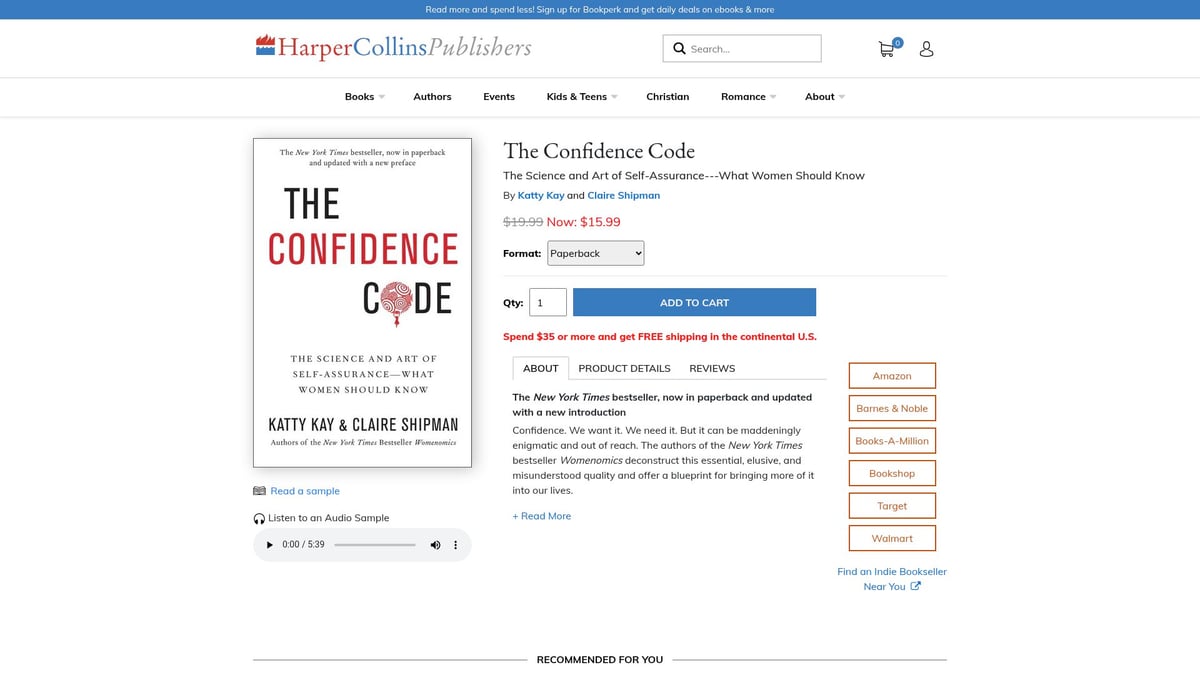
This book offers actionable strategies rooted in research, making it valuable for both men and women. Insights include practical tips for silencing inner critics, reframing failure, and taking calculated risks. The authors highlight key studies showing how confidence influences decision-making and performance in the workplace.
Professionals, students, and anyone seeking empowerment will find the blend of storytelling and science engaging. The unique selling point is its focus on translating complex research into everyday action steps. While the primary lens is women’s experiences, the lessons are universally applicable.
Pros include evidence-based insights and relatable anecdotes. Some readers may find the focus on women’s challenges less relevant to men, but the core message resonates broadly. As one of the most influential books of confidence, it sets the stage for transformative growth.
2. Daring Greatly: How the Courage to Be Vulnerable Transforms the Way We Live, Love, Parent, and Lead by Brené Brown
"Daring Greatly" is a cornerstone in the world of books of confidence, challenging the misconception that vulnerability is a weakness. Brené Brown, a renowned researcher, presents vulnerability as a wellspring of courage, creativity, and authentic connection.
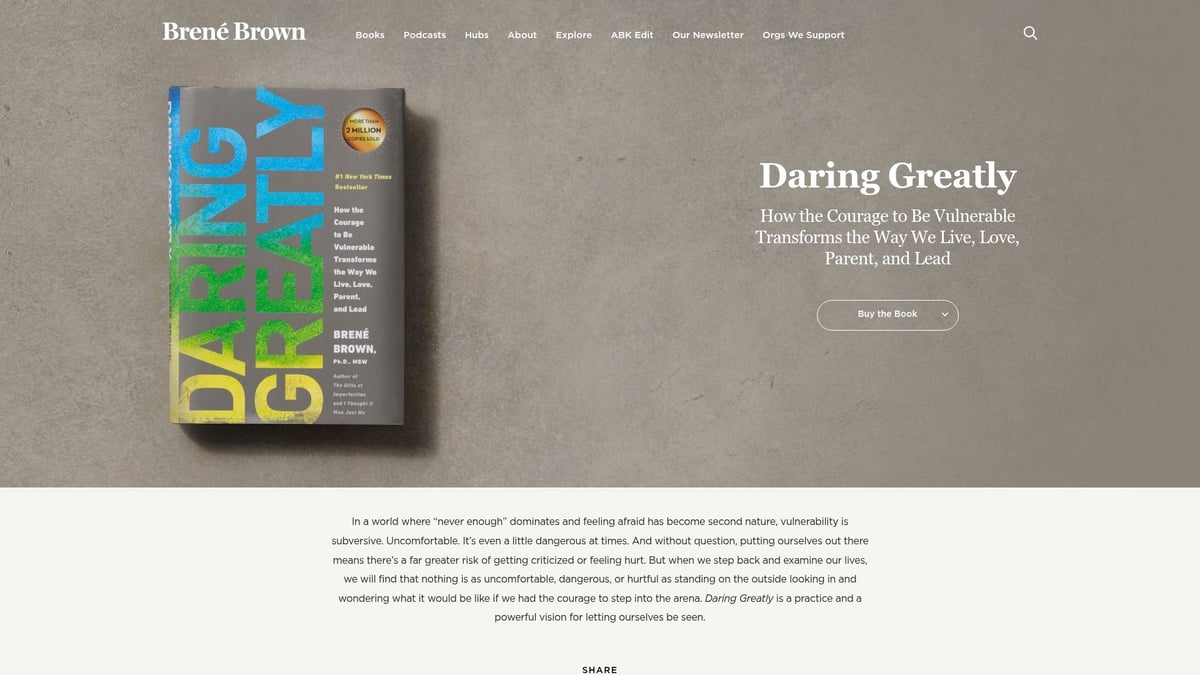
Drawing from years of data, Brown explains how embracing vulnerability enables individuals to overcome fear of judgment and failure. The book includes practical exercises aimed at shifting self-talk, building self-worth, and fostering resilience in the face of uncertainty.
Ideal for leaders, parents, and anyone wrestling with perfectionism, "Daring Greatly" provides research-backed tools for personal and professional growth. Brown’s writing is both accessible and deeply relatable, making complex concepts easy to apply.
Readers praise the book’s empowering tone and actionable advice. Some may find the abstract nature of vulnerability challenging to translate into specific behaviors, yet the core message is clear: true confidence is born from authenticity. This title is a must-read among books of confidence for those seeking to unlock the power within.
3. Unstoppable Self-Confidence: How to Create the Indestructible, Natural Confidence of the 1% by Andrew Leedham
Among the books of confidence that promise rapid change, "Unstoppable Self-Confidence" takes a distinctive approach. Andrew Leedham focuses on rewiring the subconscious mind, offering a blueprint for creating lasting, natural confidence.
The book presents a step-by-step framework, guiding readers through exercises designed to challenge limiting beliefs and replace them with empowering thoughts. Leedham’s unique angle is his emphasis on subconscious programming, a factor often overlooked in traditional self-help literature.
Professionals, entrepreneurs, and those seeking accelerated transformation will appreciate the book’s clear structure. Each chapter builds on the previous one, making it easy to track progress and maintain motivation.
Pros include actionable tactics and a no-nonsense tone. The main drawback is the need for consistent, sometimes intense commitment to the exercises. Still, for readers willing to invest the effort, this title stands out in the crowded field of books of confidence as a guide to profound, lasting change.
4. Radical Confidence: 10 No-BS Lessons on Becoming the Hero of Your Own Life by Lisa Bilyeu
"Radical Confidence" brings a refreshing energy to the books of confidence genre. Lisa Bilyeu shares her personal journey from self-doubt to self-assurance, blending real-life stories with actionable lessons.
The book is structured around ten core principles, each designed to help readers cultivate resilience, master self-talk, and take bold action. Bilyeu’s voice is authentic and motivational, making the content resonate with women, creatives, and anyone facing internal barriers.
Practical exercises and reflection prompts are woven throughout, encouraging readers to apply each lesson immediately. The focus on actionable change sets this book apart from more theoretical works.
Pros include an empowering narrative, relatable examples, and a focus on growth through adversity. Some readers may find a few lessons repetitive, but the overall message is clear and inspiring. "Radical Confidence" earns its place among books of confidence for its honest, hands-on approach to personal transformation.
5. Self-Confidence for Teens: 7 Steps to Discover Your Inner Strength, Master Emotions, and Build Lasting Self-Esteem by Emma Davis
Tailored specifically for younger readers, "Self-Confidence for Teens" is a standout among books of confidence for adolescents. Emma Davis offers a practical, evidence-based roadmap that addresses emotional regulation, self-image, and social skills.

Drawing on DBT and CBT techniques, the book breaks down confidence-building into manageable steps. Each chapter includes relatable scenarios, journaling prompts, and exercises designed for real-world application. Teens, parents, and educators will find the content age-appropriate and engaging.
A unique strength of this book is its grounding in therapeutic methods, making it both accessible and effective. For readers seeking additional support, the Self-Confidence for Teens book provides even more actionable strategies and resources.
Pros include its practical focus, high ratings from both teens and adults, and clear structure. The main limitation is its targeted audience, but the lessons are universally valuable. Among books of confidence, this title shines for those at the pivotal stage of adolescence.
6. Presence: Bringing Your Boldest Self to Your Biggest Challenges by Amy Cuddy
"Presence" introduces a compelling angle to books of confidence by exploring the science of body language and its impact on mindset. Amy Cuddy, known for her research on power poses, explains how small physical shifts can significantly boost self-assurance.
The book delves into the mind-body connection, offering practical tools for overcoming performance anxiety and stepping into high-stakes situations with poise. Cuddy presents research findings alongside actionable advice, making the science accessible to a broad audience.
Professionals, students, and public speakers will benefit from the strategies for projecting confidence in critical moments. The concept of "power posing" has sparked debate, but many readers report tangible improvements by applying these techniques.
Pros include a research-driven approach and clear, practical applications. Some skepticism remains around the science, yet the book’s broader message about presence and self-belief is widely embraced. "Presence" continues to influence the landscape of books of confidence in meaningful ways.
7. The Gifts of Imperfection: Let Go of Who You Think You’re Supposed to Be and Embrace Who You Are by Brené Brown
Focusing on self-acceptance, "The Gifts of Imperfection" is a classic among books of confidence. Brené Brown encourages readers to let go of unrealistic expectations and embrace authenticity as the foundation for real confidence.
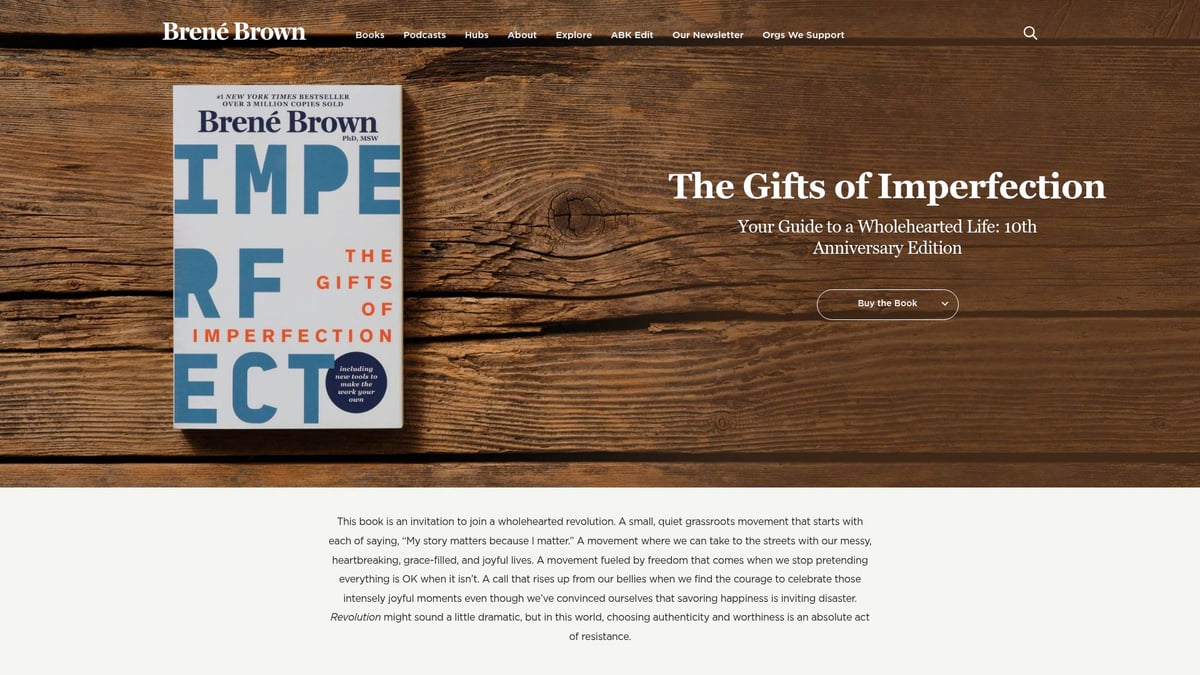
The book outlines ten guideposts for wholehearted living, emphasizing courage, compassion, and connection. Through reflective exercises and practical advice, Brown helps readers identify and challenge the internal barriers that undermine self-worth.
This title is ideal for anyone grappling with feelings of inadequacy or the pressure to conform. Brown’s compassionate, relatable style makes complex emotional work approachable.
Pros include a focus on actionable self-reflection and a message that resonates across age groups. Some content overlaps with Brown’s other books, but the core lessons are distinct and enduring. Among books of confidence, this guide remains a trusted resource for building resilience and self-love.
8. Atomic Habits: An Easy & Proven Way to Build Good Habits & Break Bad Ones by James Clear
"Atomic Habits" connects the science of habit formation with the growth of self-assurance, making it a valuable addition to books of confidence. James Clear presents a straightforward framework for building positive routines and breaking unhelpful patterns.
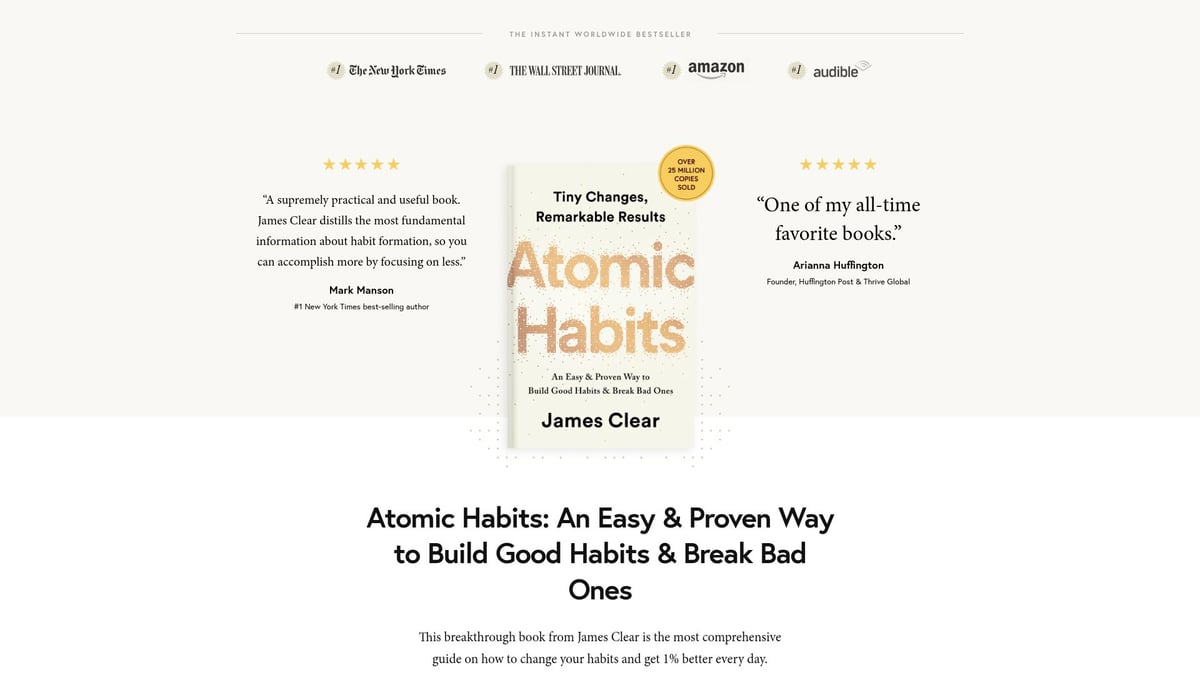
Key concepts include habit stacking, identity-based habits, and incremental change. Clear’s approach is rooted in behavioral science, making the advice both practical and evidence-based.
Anyone seeking sustainable personal growth will benefit from the book’s actionable strategies. While the primary focus is on habits, the ripple effect on confidence is significant, as each small win reinforces a positive self-image.
Pros include a clear, engaging writing style and a wealth of real-world examples. The main limitation is that the book addresses confidence indirectly. Nevertheless, "Atomic Habits" is frequently recommended in lists of books of confidence for its transformative potential.
9. The Six Pillars of Self-Esteem by Nathaniel Branden
For those seeking a foundational understanding, "The Six Pillars of Self-Esteem" is a cornerstone among books of confidence. Nathaniel Branden presents a comprehensive model, outlining six essential practices for nurturing self-esteem and, by extension, confidence.
Each pillar is explained in depth, with exercises designed to foster self-awareness, responsibility, and purposeful living. The book’s in-depth approach appeals to adults, therapists, and self-help enthusiasts committed to long-term growth.
Branden’s work stands out for its thoroughness and timeless relevance. Pros include detailed frameworks and practical exercises for each pillar. The book’s density requires patience and commitment but delivers profound rewards for those who engage fully.
As a foundational text in the field of books of confidence, "The Six Pillars of Self-Esteem" remains a go-to resource for anyone seeking a deeper, more enduring sense of self-worth.
Comparison Table: Key Features of Each Book
| Book Title | Approach | Ideal Audience | Unique Strength |
|---|---|---|---|
| The Confidence Code | Science-based, practical | Professionals, women | Neuroscience insights |
| Daring Greatly | Vulnerability, research | Leaders, parents | Embracing imperfection |
| Unstoppable Self-Confidence | Subconscious rewiring | Entrepreneurs | Rapid transformation |
| Radical Confidence | Personal narrative | Women, creatives | Authentic, motivational |
| Self-Confidence for Teens | DBT/CBT, step-by-step | Teens, parents | Age-appropriate, actionable |
| Presence | Body language science | Professionals, speakers | Mind-body connection |
| The Gifts of Imperfection | Self-acceptance | All ages | Compassionate guidance |
| Atomic Habits | Habit science | Broad audience | Incremental change |
| Six Pillars of Self-Esteem | Foundational, deep dive | Adults, therapists | Timeless, comprehensive |
These nine books of confidence offer diverse strategies, grounded in research and real-life success, to help you thrive in 2026 and beyond.
Choosing the Right Confidence Book for Your Needs
Selecting the right books of confidence can make a dramatic difference in your personal growth journey. With so many titles available, it is crucial to match a book’s approach to your unique challenges, learning style, and goals.
Matching Books of Confidence to Your Needs
Start by identifying your primary confidence challenge. Are you struggling with social anxiety, seeking career advancement, or helping a teenager build self-esteem? Choose books of confidence tailored to your situation. For example, teens may benefit from workbooks with relatable exercises, while professionals might look for science-backed guides.
Use this simple checklist to guide your selection:
- Define your confidence goal (social, career, emotional)
- Consider age and life stage
- Decide if you prefer stories, exercises, or research
- Read reviews from readers with similar backgrounds
Combining resources, such as pairing a book with the Confidence & Social Skills Pack, can provide practical tools for both self-assurance and communication.
Comparing Book Formats
Books of confidence come in various formats, each with unique strengths. Memoirs offer inspiration through personal stories, while workbooks provide structured activities for hands-on growth. Science-based guides deliver evidence and frameworks for long-term change.
Here is a quick comparison:
| Format | Best For | Example Benefit |
|---|---|---|
| Memoir | Inspiration and relatability | Motivational mindset shifts |
| Workbook | Practical learners | Step-by-step action plans |
| Science-Based | Analytical thinkers | Research-backed strategies |
Select a format that matches your preferred way of learning. Some readers find that alternating between formats deepens understanding and keeps motivation high.
Maximizing Your Confidence Journey
To get the most from your books of confidence, actively engage with the material. Journaling, discussion groups, or applying exercises to daily life can reinforce new habits. Recent research, such as the MindScape Study on AI-Driven Journaling, highlights how reflective writing boosts self-awareness and well-being.
Consider these tips:
- Set aside time each day for reading and reflection
- Take notes or highlight key insights
- Share progress with a friend or support group
Many readers find that combining several books of confidence, tailored to different aspects of their lives, creates a holistic path to greater self-belief and resilience.
Beyond the Books: Daily Habits to Reinforce Confidence
Building lasting self-confidence requires more than just reading the best books of confidence. True transformation comes when insights from these books are put into daily practice. Small, consistent actions can help internalize new beliefs, making confidence a natural part of your life.
7 Daily Practices to Strengthen Confidence
Adopting powerful habits amplifies the lessons from books of confidence. Consider integrating these simple routines into your day:
- Morning affirmations: Start each day by speaking positive truths about yourself.
- Reflective journaling: Write about progress, setbacks, and lessons learned.
- Goal setting: Break down big objectives into manageable steps.
- Mindful breathing: Use deep breaths to calm nerves and reset focus.
- Gratitude reflection: Acknowledge achievements and qualities you value.
- Visualization: Picture yourself succeeding in upcoming challenges.
- Celebrating small wins: Recognize daily progress, no matter how minor.
Research highlights the value of self-affirmation in today’s digital world. Activities like affirmations can even counteract the negative effects of social media, strengthening your sense of self. According to a Self-Affirmation and Social Media Study, regular self-affirmation can help maintain self-assurance and reduce comparison-driven anxiety.
From Reading to Doing: Real-Life Impact
Many readers report that applying daily habits alongside books of confidence leads to deeper, longer-lasting change. For example, a professional who combined reflective journaling with lessons from these books saw a marked improvement in self-esteem and resilience at work.
Research on bibliotherapy, such as the Forgiveness-Based Bibliotherapy Study, confirms that combining reading with actionable steps can significantly boost self-esteem and overall well-being.
To maximize results, track your progress in a journal and celebrate each milestone. Remember, the synergy between reading and consistent action is what turns knowledge into unshakable confidence.
As we’ve explored, building true confidence is about more than just reading the right books—it’s about putting strategies into action and developing habits that last. If you’re ready to take the next step and turn inspiration into real growth, you don’t have to do it alone. You can access step-by-step resources designed specifically for teens, parents, and educators who want to foster confidence, emotional strength, and essential life skills. Let’s make these positive changes stick together—Start the Growth Pack and set yourself or your teen up for a more confident, resilient 2026.