


Top 9 Books on Relationships to Read in 2026
Imagine wanting deeper, more meaningful connections in a world where change is constant and advice is everywhere. The search for trustworthy books on relationships has never been more important, as we all seek guidance for navigating love, communication, and understanding.
This article brings you the top 9 books on relationships to read in 2026, handpicked for their actionable insights, evidence-based guidance, and modern relevance.
Whether your goal is to strengthen a romantic partnership, resolve family tension, or decode the mysteries of love, these books on relationships offer transformative strategies for every reader.
From classic wisdom to new releases, you will discover practical tips and expert recommendations to help you build lasting bonds.
Why Relationship Books Matter in 2026
Relationships are at the heart of our lives, shaping our happiness, health, and sense of belonging. As we move further into 2026, the value of books on relationships continues to grow. These resources offer guidance for navigating the evolving complexities of modern connections.
The Evolving Landscape of Relationships
In 2026, technology and social media have transformed how we build and maintain relationships. Digital communication often leads to misunderstandings, while work-life balance and shifting societal norms add new layers of challenge. For example, research now shows that social isolation can be as harmful to health as smoking. The pandemic has also made many people rethink their priorities, placing greater emphasis on emotional closeness. For a deeper dive into how technology affects our connections, see this Impact of Technology on Relationships article. These changes highlight why updated books on relationships are more essential than ever.
The Science Behind Relationship Success
Decades of scientific study have revealed what makes relationships thrive. John Gottman’s research, for instance, introduced the 5:1 positivity ratio, showing that healthy couples have five positive interactions for every negative one. Emotional intelligence, empathy, and communication skills are proven predictors of satisfaction in all types of relationships. Studies consistently link strong connections to better mental and physical health. Real-life examples, such as couples who apply evidence-based strategies, show that books on relationships can turn theory into lasting change.
Why Books Remain Essential Resources
While online advice is often quick and superficial, books on relationships provide deeper, more nuanced guidance. They allow readers to learn at their own pace and reflect on what truly matters. Relationship books offer a wide range of perspectives, including psychological research, real-life stories, and sociological analysis. The continued popularity of books on relationships in bestseller lists and book clubs demonstrates their enduring relevance and impact for readers seeking meaningful change.
Who Should Read These Books?
Books on relationships are valuable for singles, couples, parents, friends, and anyone hoping to improve their connections. The top selections are inclusive, covering every stage and type of relationship. Professionals such as therapists, counselors, and educators also use these resources in their work. Whether you are resolving conflict, building intimacy, or navigating a breakup, books on relationships offer practical tools for real-life situations and personal growth.
How We Selected the Top 9 Relationship Books
Criteria for Selection
Selecting the top books on relationships required a careful, multi-dimensional approach. We began by analyzing expert recommendations, reader reviews, and the latest research in the field. Priority was given to titles offering actionable advice, clear frameworks, and diverse perspectives.
We also ensured the list covers a spectrum of relationship types, from romantic to familial and friendships. A focus on communication and emotional intelligence was essential, since these skills are fundamental building blocks for healthy bonds. For readers interested in further developing these abilities, our books about improving social skills resource offers additional recommendations. This thorough process guarantees our list is practical and relevant for 2026.
Balancing Timeless Wisdom and Modern Insights
We believe the best books on relationships combine enduring wisdom with up-to-date guidance for today’s challenges. Classic works provide time-tested principles, like effective communication and mutual respect. These foundational texts anchor our list and remain relevant even as society evolves.
At the same time, we incorporated new releases addressing modern concerns, such as navigating digital communication or shifting cultural norms. By blending these perspectives, readers gain both a solid grounding and fresh tools to meet the complexities of contemporary life. This balance ensures the list remains both reliable and forward-thinking.
Fact-Checking and Authenticity
Accuracy is critical when recommending books on relationships. Every title on our list was vetted for credibility, drawing on peer-reviewed studies, endorsements from professionals, and real-world testimonials. We cross-referenced multiple reputable sources to verify claims and avoid pseudoscience.
Our process included reviewing scientific literature and consulting relationship experts to ensure recommendations are evidence-based. This commitment to authenticity gives readers confidence that each book provides trustworthy, effective strategies for building stronger connections.
What Readers Can Expect from Each Book
Each of the books on relationships featured here offers a unique journey. Readers will find practical exercises, real-life case studies, and step-by-step frameworks designed to foster growth and understanding. The list includes a range of writing styles, from data-driven analysis to engaging narratives.
Expect actionable tips focused on communication, intimacy, conflict resolution, and more. Whether seeking to strengthen a romantic partnership or improve family dynamics, these books deliver transformative insights. The variety ensures every reader discovers strategies aligned with their goals and relationship stage.
Top 9 Books on Relationships to Read in 2026
Discovering the best books on relationships can feel overwhelming, given the wealth of titles available. To help you focus on what truly works, we have curated a list of the top 9 books on relationships to read in 2026. Each selection provides actionable insights, research-backed advice, and practical strategies for navigating modern love, communication, and connection. Whether you are looking to strengthen a romantic partnership, deepen family bonds, or improve your social skills, these books on relationships offer transformative guidance for every reader.
1. Nonviolent Communication: A Language of Life by Marshall Rosenberg
This classic among books on relationships introduces a transformative communication framework centered on empathy, understanding, and compassion. Rosenberg’s approach helps readers identify “violent” patterns—such as blaming or judging—and replace them with language that fosters genuine connection.
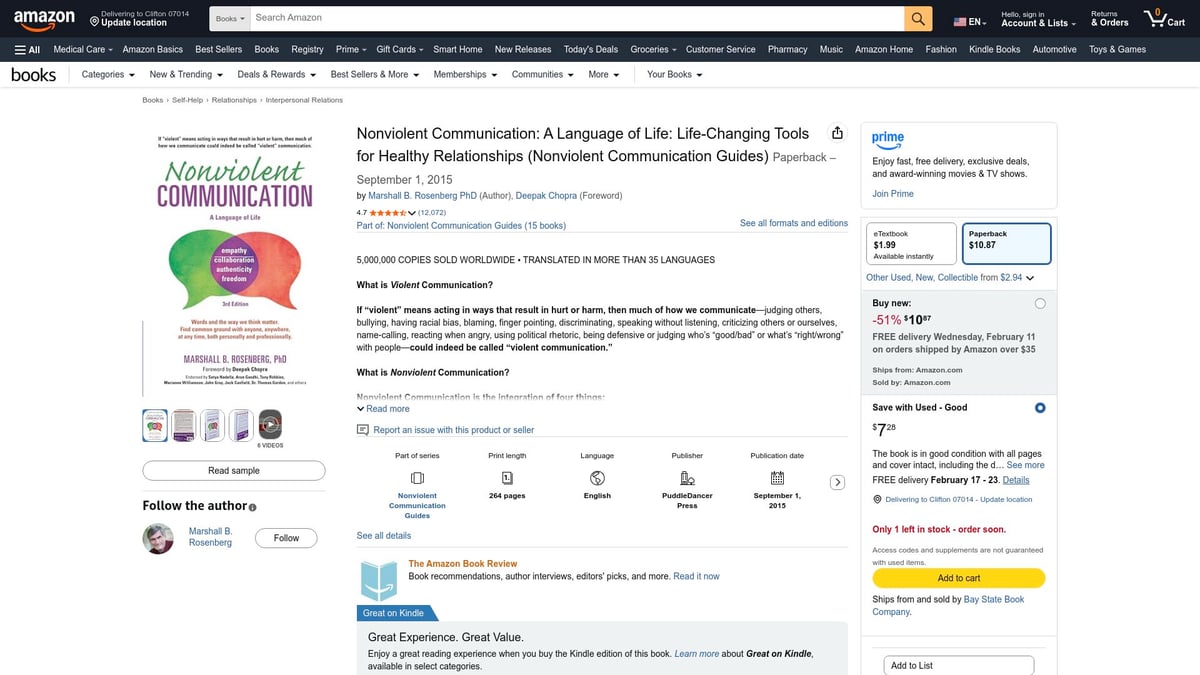
Key features include clear, actionable scripts and real-world examples, making it easy to apply these lessons in daily life. The book is especially useful for couples, families, educators, and anyone seeking to resolve conflict and build deeper bonds.
Pros:
- Practical, easy-to-follow techniques
- Endorsed by therapists and educators worldwide
Cons:
- May require consistent practice to fully integrate
A notable example is the use of “I feel…” statements to de-escalate heated arguments. Data from Scott H Young’s review highlights its transformative impact on relationship dynamics. For anyone exploring books on relationships, this title is foundational for mastering compassionate dialogue.
2. Mating in Captivity: Unlocking Erotic Intelligence by Esther Perel
Esther Perel’s work stands out among books on relationships for its candid exploration of the balance between intimacy and desire in long-term partnerships. She argues that sustaining eroticism requires both closeness and autonomy, challenging conventional wisdom about monogamy and routine.
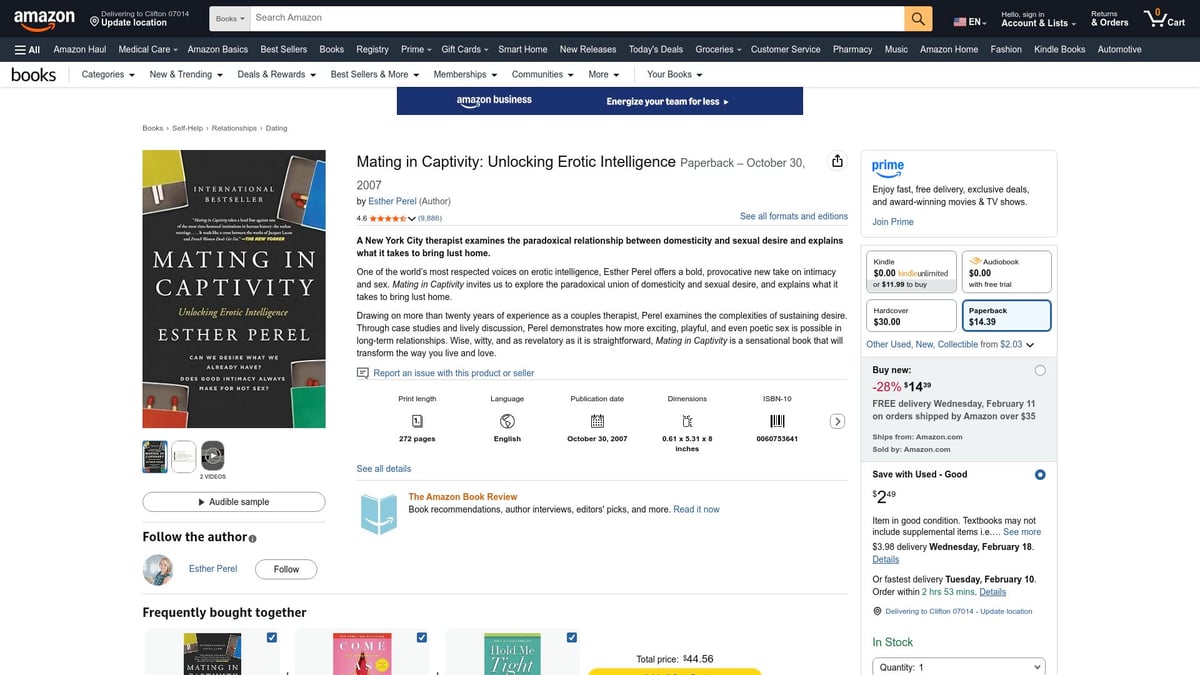
The book is filled with case studies, client stories, and practical strategies for reigniting passion. Couples seeking to overcome sexual stagnation will find actionable guidance here.
Pros:
- Thought-provoking, blends theory with real-life examples
- Offers a fresh perspective on intimacy
Cons:
- Some approaches may seem unconventional to traditional readers
Perel’s insights help readers understand the complexities of desire and create space for both connection and individuality. This makes it an essential addition to your library of books on relationships, especially for those interested in sustaining passion over time.
3. Why Marriages Succeed or Fail by John Gottman
Gottman’s book is a cornerstone in the field of books on relationships, drawing from decades of scientific research on marital stability. He introduces the “magic ratio” (5:1 positive to negative interactions) and identifies the “Four Horsemen” that predict relationship breakdown: criticism, contempt, defensiveness, and stonewalling.
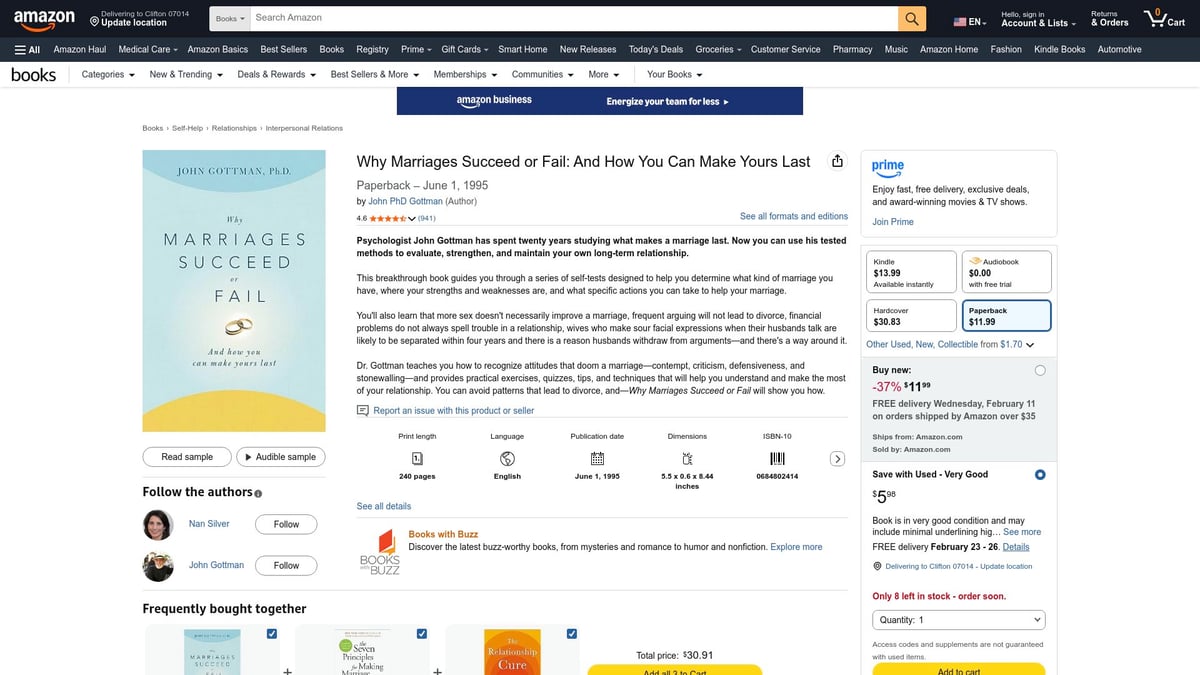
The book is packed with practical exercises, self-assessments, and real-life stories. Married couples, those considering marriage, and therapists will benefit from its clear, data-driven approach.
Pros:
- Highly predictive and actionable advice
- Backed by robust scientific studies
Cons:
- Focuses primarily on married couples
Gottman’s techniques for increasing positive interactions have helped countless couples transform their relationships. Anyone seeking evidence-based books on relationships should not miss this influential title.
4. You’re Not Listening: What You’re Missing and Why It Matters by Kate Murphy
If you are searching for books on relationships that address the art of listening, this title is essential. Murphy delves into why listening is a lost skill in today’s fast-paced world and how reclaiming it can dramatically improve personal and professional relationships.
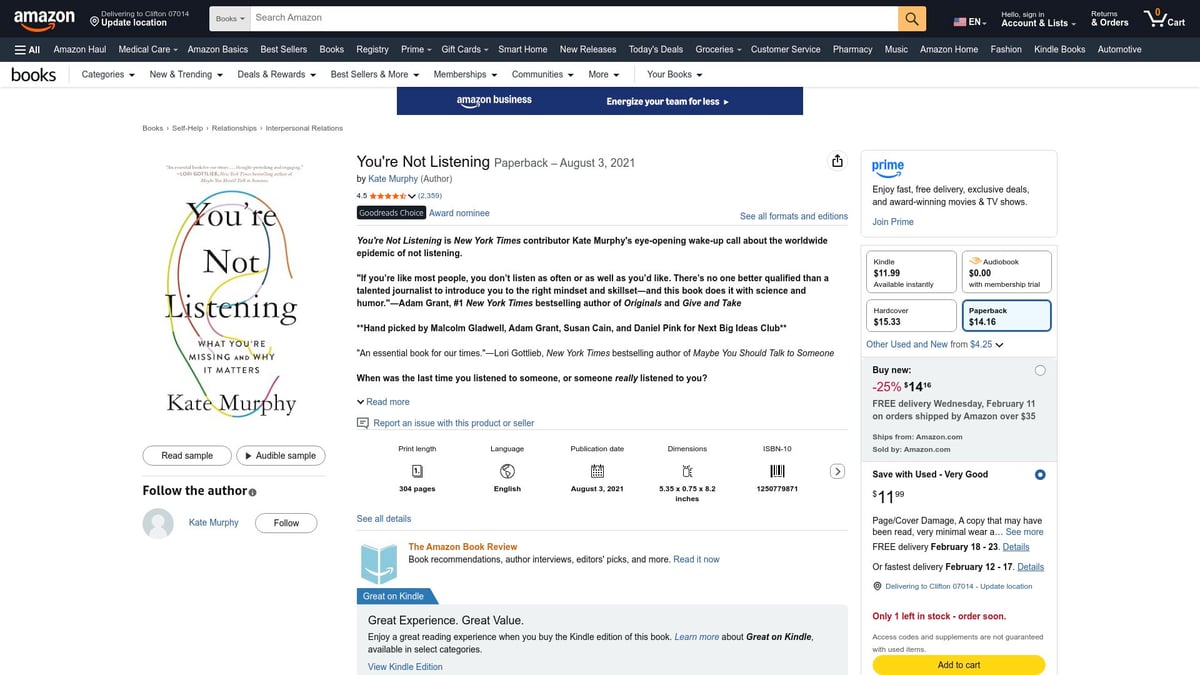
The book challenges the cultural bias toward speaking over listening and provides techniques for becoming more attentive and empathetic. It is filled with engaging anecdotes and practical exercises.
Pros:
- Accessible, relatable writing style
- Focuses on a skill often overlooked in books on relationships
Cons:
- Concentrates more on listening than broader relationship dynamics
For those wanting to further enhance communication and social interaction, consider exploring the best books on social skills, which complement the advice found here.
Murphy’s insights will help you build authentic connections and become a better partner, friend, or colleague.
5. Reclaiming Conversation: The Power of Talk in a Digital Age by Sherry Turkle
Among books on relationships, Turkle’s work is especially timely. She explores how technology, smartphones, and constant connectivity are eroding our ability to hold meaningful conversations. The book offers practical solutions for restoring empathy and deepening connections in families, classrooms, and workplaces.
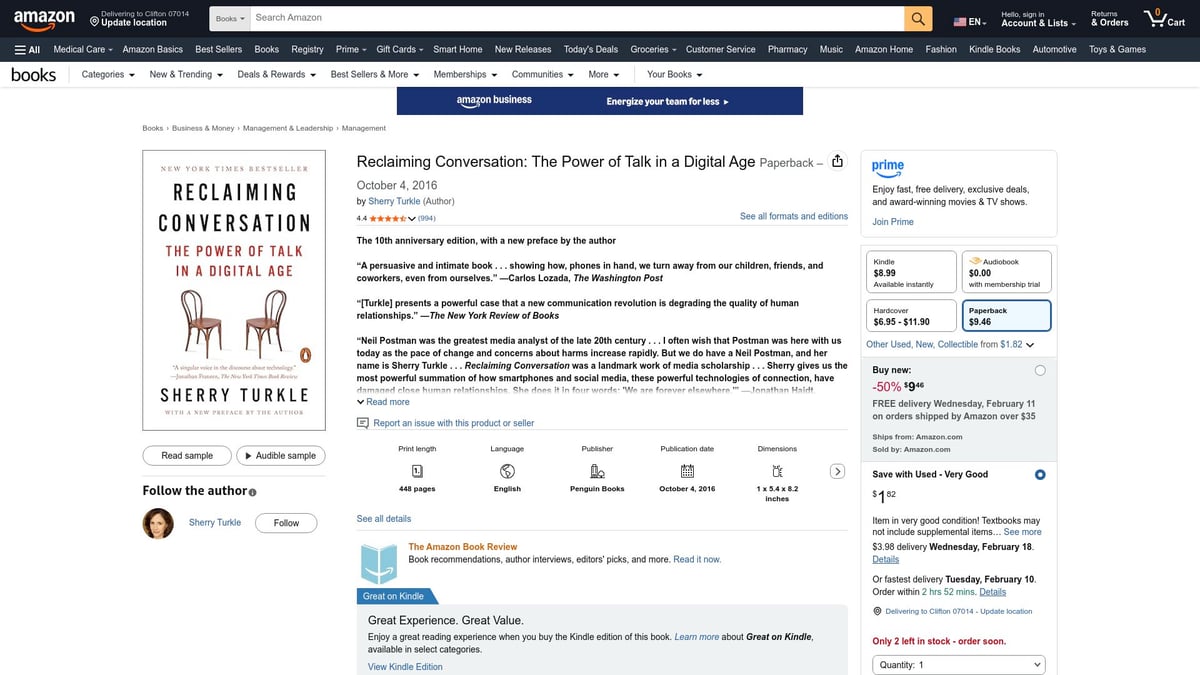
Turkle provides real-life examples, such as implementing “no phone zones,” to encourage face-to-face dialogue. The book is grounded in interviews and case studies that reveal the consequences of digital distraction.
Pros:
- Research-based and practical
- Addresses modern challenges unique to digital natives
Cons:
- May resonate most with readers concerned about technology’s impact
This book is a vital resource for anyone wishing to improve their digital habits and strengthen their bonds, making it a must-read in the realm of books on relationships.
6. Intimate Relationships by Rowland Miller
Miller’s comprehensive textbook is ideal for readers seeking data-driven books on relationships. It covers the psychology of intimacy, attraction, commitment, and conflict, drawing on the latest research to debunk common myths.
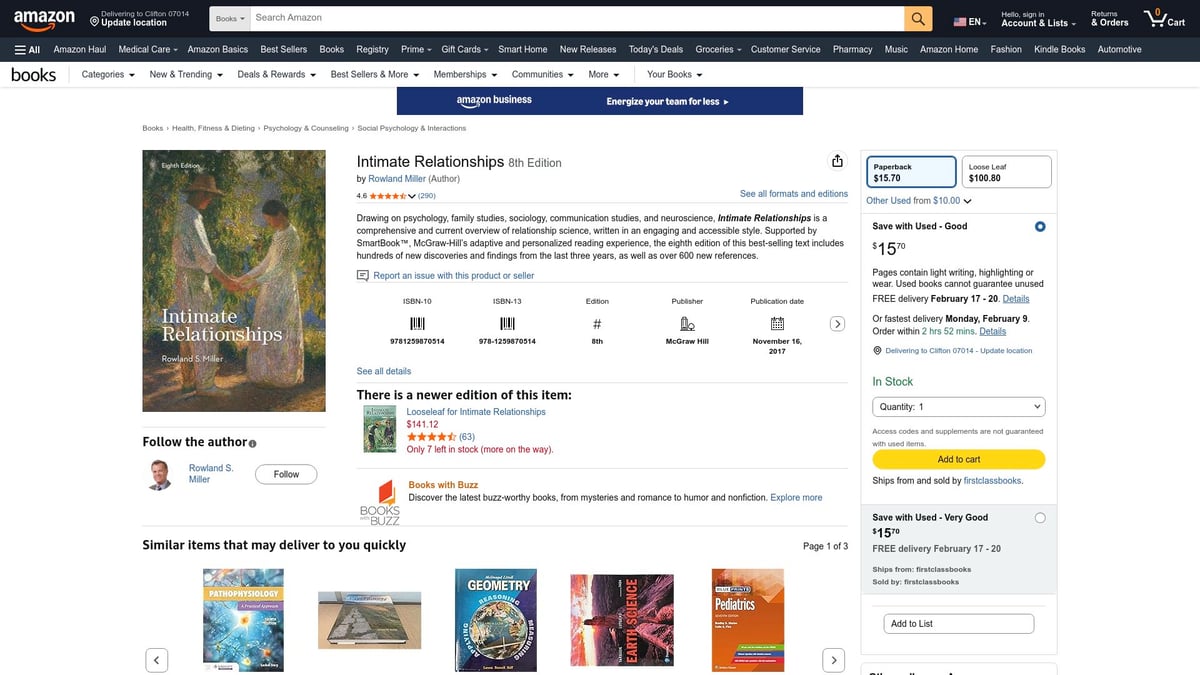
The book addresses a wide range of topics, from cohabitation outcomes to gender differences in relationships. Its academic approach makes it especially suited for students, professionals, or anyone wanting a deep dive into relationship science.
Pros:
- Thorough, evidence-based analysis
- Covers a broad spectrum of relationship issues
Cons:
- Dense academic tone may not appeal to casual readers
A key highlight is the examination of how cohabitation affects marital satisfaction, helping readers make informed decisions. As one of the most cited books on relationships in academic circles, it provides a solid foundation for understanding what makes love last.
7. The New Psychology of Love by Robert Sternberg & Karin Weis
For those interested in the science behind books on relationships, Sternberg and Weis offer a deep exploration of love’s components across cultures and contexts. The book presents multiple theories, including the well-known “triangular theory of love,” which breaks love into passion, intimacy, and commitment.
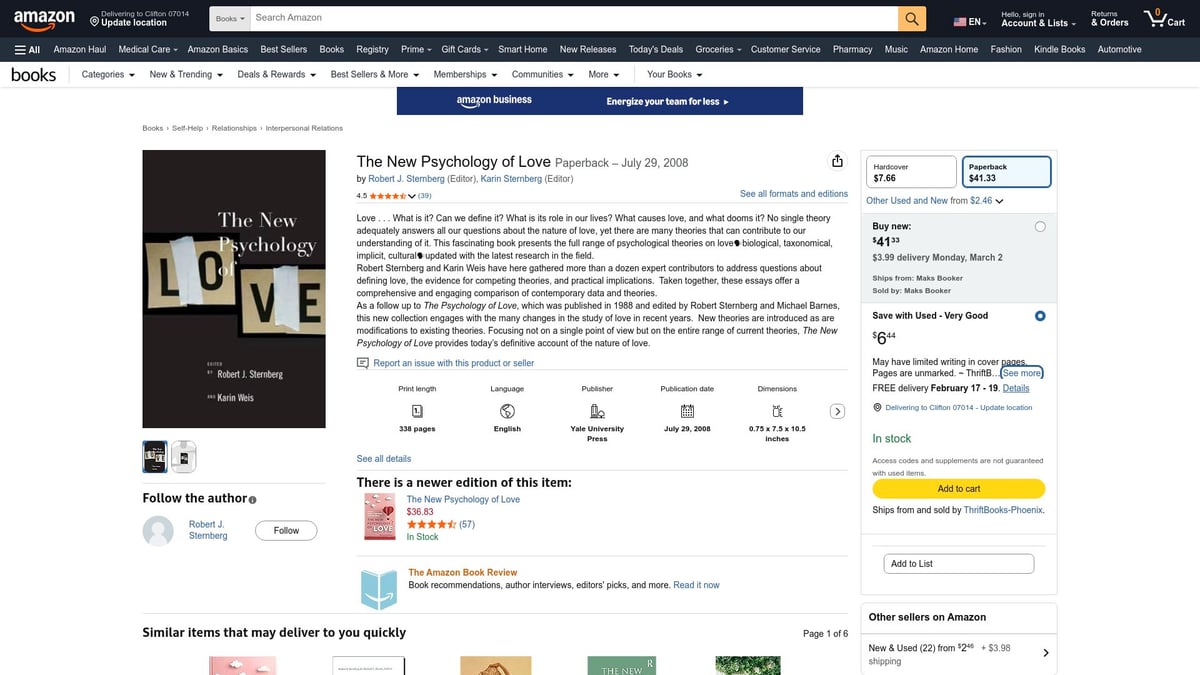
The authors draw on cross-cultural studies, psychological research, and philosophical perspectives to help readers grasp the evolution of love. While it leans more theoretical, it is invaluable for anyone wanting to understand the underpinnings of romantic and familial bonds.
Pros:
- Comprehensive and research-heavy
- Explores love from multiple perspectives
Cons:
- More academic and less practical than other books on relationships
University courses and relationship researchers frequently reference this title, making it a top pick for those who appreciate a scholarly approach.
8. Attached: The New Science of Adult Attachment and How It Can Help You Find—and Keep—Love by Amir Levine & Rachel Heller
Attachment theory is a crucial topic in books on relationships, and Levine and Heller’s work makes it accessible for everyone. The book explains how secure, anxious, and avoidant attachment styles influence romantic outcomes.
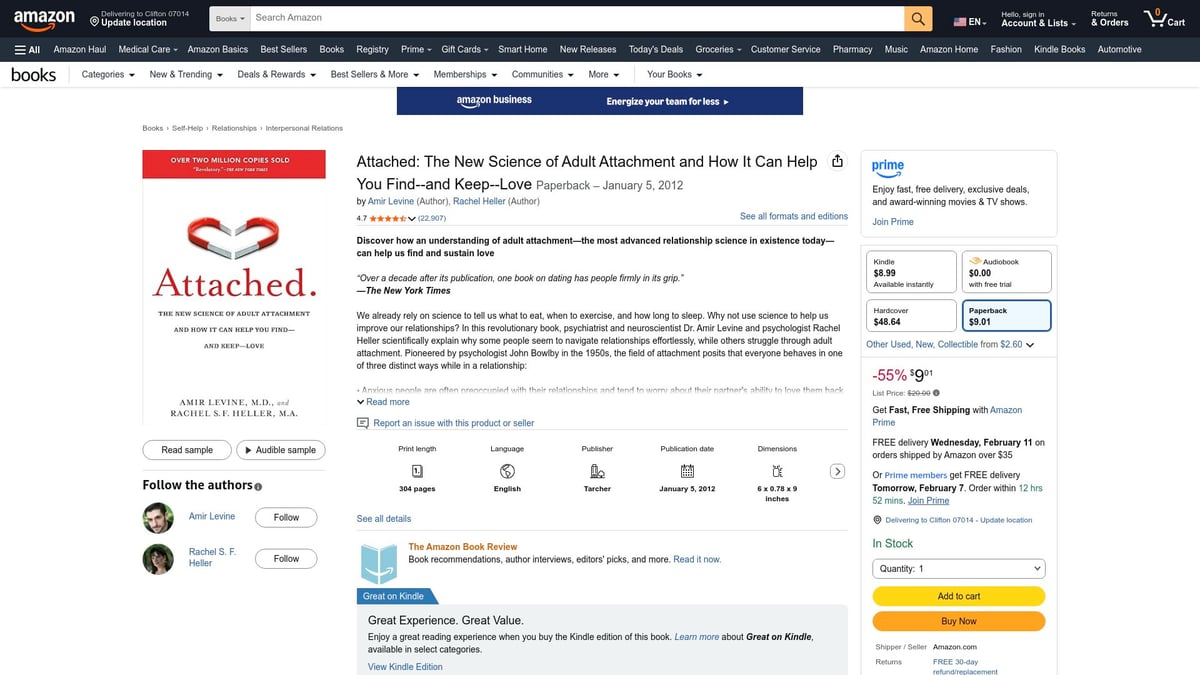
Readers can take quizzes to identify their own attachment style and learn strategies for fostering healthier connections. The book is filled with case studies and practical advice, making it especially useful for singles and couples alike.
Pros:
- Clear explanations and actionable guidance
- Popular with therapists and relationship coaches
Cons:
- Focuses mainly on romantic relationships
Levine and Heller’s insights have helped countless readers navigate the complexities of love, cementing this book’s place among the most impactful books on relationships.
9. Hold Me Tight: Seven Conversations for a Lifetime of Love by Dr. Sue Johnson
Johnson’s book is a cornerstone of Emotionally Focused Therapy (EFT) and stands out among books on relationships for its structured, step-by-step approach to building emotional security. The “Seven Conversations” framework guides couples through exercises designed to foster intimacy and responsiveness.
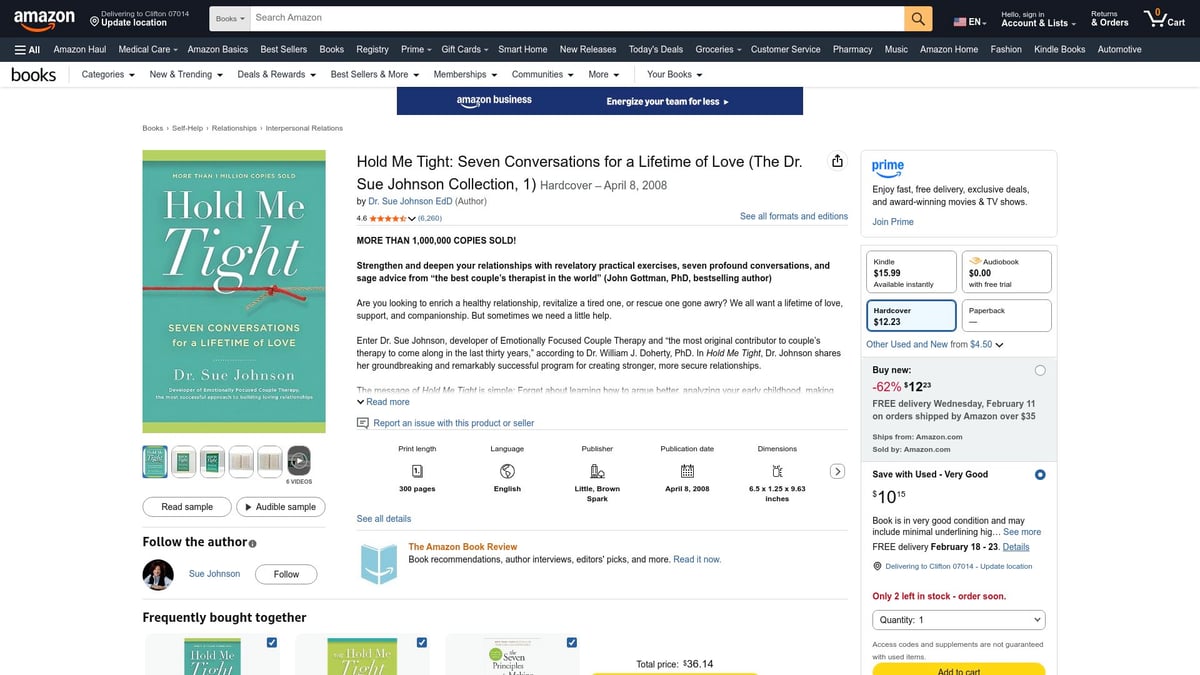
The book draws on clinical research and real-life case studies, making it both authoritative and relatable. Marriage counselors and relationship coaches often recommend it for couples looking to deepen their connection.
Pros:
- Evidence-based, practical exercises
- Clear, accessible writing style
Cons:
- Primarily aimed at couples
With its focus on emotional responsiveness and security, “Hold Me Tight” offers a roadmap for lasting love and is a must-read for anyone committed to improving their relationship. It is an essential resource in the world of books on relationships.
How to Get the Most Out of Relationship Books
Mastering insights from books on relationships takes more than simply reading from cover to cover. By approaching these resources with intention, reflection, and community, you can turn knowledge into meaningful change. Here’s how to maximize your learning and truly transform your connections.
Applying Insights to Real Life
To truly benefit from books on relationships, active participation is key. Take notes as you read, jotting down passages that resonate or spark questions. Reflect on how the advice applies to your own experiences.
Discussing what you’ve learned with a partner or friend can offer new perspectives and accountability. Consider starting a book club focused on relationship growth, or join an online discussion group to share insights. Research shows that applying ideas immediately boosts retention and understanding.
Many books on relationships feature practical exercises, such as journaling prompts or conversation starters. To further enhance your skills, explore resources like the Confidence and social skills pack, designed to build real-world communication and connection abilities.
Combining Multiple Perspectives
No single book can address every relationship challenge. By exploring a variety of books on relationships, you expose yourself to different theories and practical tools. Attachment theory, communication frameworks, and intimacy strategies each offer unique value.
Try integrating advice from several authors. For example, you might blend Gottman’s positivity ratio with Perel’s ideas for reigniting intimacy. This approach allows you to customize your learning, creating a toolkit tailored to your relationship needs.
Consider keeping a comparison chart to track strategies that resonate most. This helps you stay organized and ensures you’re not overwhelmed by conflicting advice. Remember, the goal is to learn, adapt, and personalize each lesson.
Avoiding Common Pitfalls
While books on relationships provide powerful tools, be wary of one-size-fits-all solutions. Every relationship is unique, and what works for one couple might not suit another. Patience is essential; lasting change often takes time and consistent effort.
Self-awareness is crucial. Reflect on your own patterns and triggers before applying new techniques. If advice from a book feels counterproductive or causes tension, pause and reassess. In some cases, misapplied strategies can lead to misunderstandings or setbacks.
Do not hesitate to seek professional guidance if challenges persist. Therapists and counselors can help tailor advice to your specific situation, ensuring that growth is both healthy and sustainable.
Continuing the Journey Beyond Books
Growth does not stop when you finish reading. Supplement your exploration of books on relationships with workshops, counseling sessions, or online courses for deeper learning. Many authors offer blogs, podcasts, or newsletters that provide updated insights and ongoing support.
As your relationships evolve, revisit key books to uncover new layers of meaning. Lifelong learning is vital for maintaining strong, resilient bonds. Stay curious, remain open to change, and keep building on the foundation you create through each book.
Whether you’re just starting your journey or seeking to deepen established connections, these strategies ensure that every page you turn leads to real-world transformation.
Frequently Asked Questions About Relationship Books
Curious about how books on relationships can help you? Below, you’ll find answers to the most common questions readers ask before picking up a new relationship guide. Whether you’re single, in a partnership, or seeking to improve family or friend connections, these FAQs will help you make the most informed choice.
What types of relationships do these books cover?
Most books on relationships address a variety of connections, including romantic partnerships, family bonds, friendships, and even workplace dynamics. Some specialize, while others offer universal principles. Here’s a quick summary:
| Book Type | Romantic | Familial | Friendships | Professional |
|---|---|---|---|---|
| Classic Self-Help | ✔️ | ✔️ | ✔️ | |
| Modern Research | ✔️ | ✔️ | ✔️ | ✔️ |
| Teen-focused | ✔️ | ✔️ |
Are these books suitable for singles as well as couples?
Absolutely. Many books on relationships are written for both singles and couples. Singles can gain insight into patterns and prepare for future relationships, while couples often find practical tools for deepening their bond.
How do I choose the right book for my situation?
Start by identifying your main goal, such as improving communication, resolving conflict, or understanding attachment. Review book summaries, author backgrounds, and reader reviews. Consider recommendations from professionals or curated lists like this one.
Can reading a book really improve my relationship?
Yes, studies show that applying evidence-based strategies from books on relationships can lead to positive changes. For example, integrating advice on digital connection can enhance emotional closeness, as discussed in this study on strengthening relationships via digital connection.
What if my partner isn’t interested in reading with me?
You can still benefit. Share key ideas or exercises from books on relationships during conversations or suggest trying activities together. Sometimes, leading by example inspires partners to join in over time.
How do I apply advice from multiple books without feeling overwhelmed?
Focus on one concept at a time. Create a simple plan to practice new skills, and reflect on what works best for your unique relationship. Remember, not every tip will fit every situation, so adapt as needed.
Are these books recommended by professionals (therapists, counselors)?
Yes. Many books on relationships included in this list are endorsed by relationship experts and used in counseling settings. Look for works backed by research and professional testimonials.
Where can I find additional resources or support after reading?
Explore online forums, workshops, and local support groups. For younger readers, this list of best books for teens includes titles that address personal growth and relationship skills. Many authors also offer blogs or podcasts for ongoing learning.
As you explore these top relationship books, remember that building strong connections is a skill—one that grows with the right tools and guidance. Whether you’re navigating friendships, family dynamics, or romantic partnerships, the journey doesn’t stop with reading. If you’re ready to put these insights into action and help teens develop the confidence, emotional intelligence, and social skills they need for healthy relationships, take the next step with the Get the Confidence and Social Skills Pack. Let’s empower the next generation to connect, communicate, and thrive in every relationship.