


Books Teens Should Read for Growth and Self-Discovery
Reading during adolescence offers more than entertainment. The right books provide teenagers with frameworks for understanding themselves, navigating complex emotions, and developing the confidence needed to face life's challenges. As parents, educators, and therapists search for resources that genuinely support teen development, identifying books teens should read becomes crucial for fostering resilience and emotional intelligence during these formative years.
Why Reading Matters for Teen Development
The teenage years present unique challenges that require both practical strategies and emotional support. Books serve as powerful tools for helping adolescents process difficult experiences, learn from diverse perspectives, and discover approaches to common struggles. When teens read about characters facing similar challenges, they realize they're not alone in their journey.
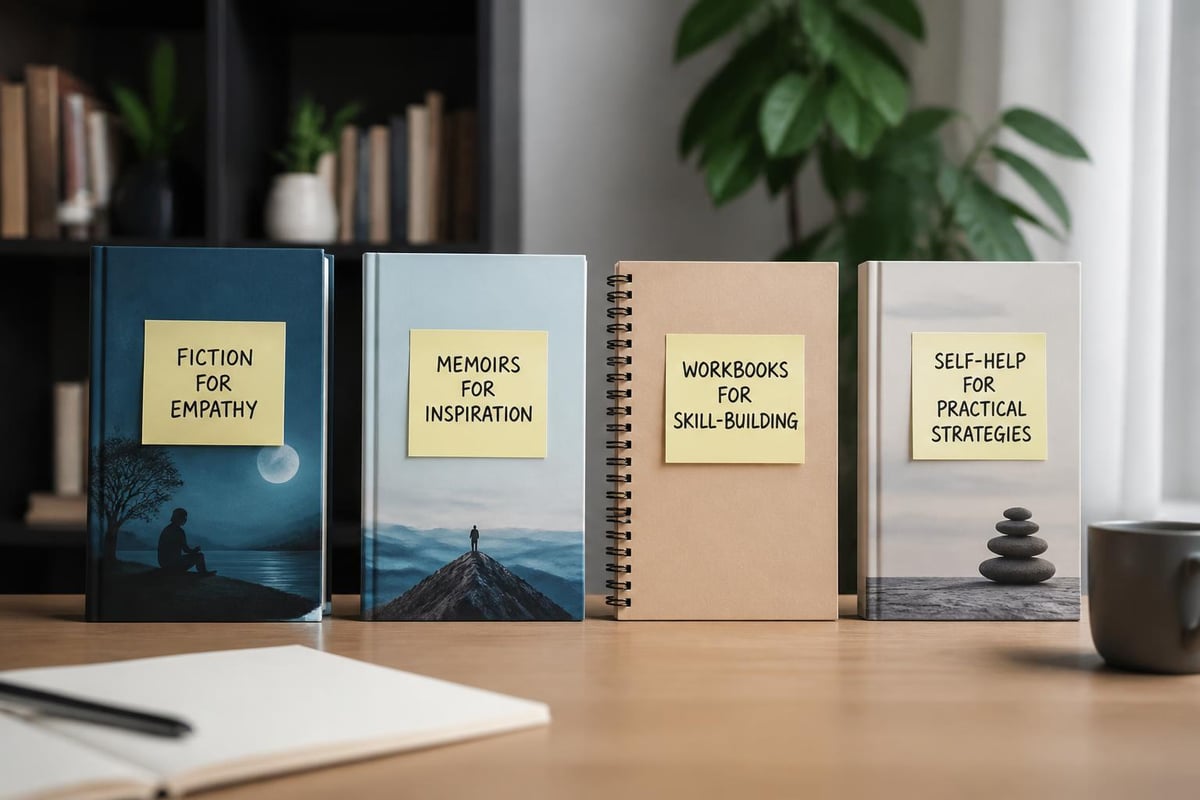
Research consistently demonstrates that reading fiction improves empathy and emotional understanding. Teens who engage with well-crafted narratives develop stronger social-emotional skills and better conflict resolution abilities. These benefits extend beyond the pages, influencing how teenagers interact with peers, family members, and their own internal experiences.
For parents and educators seeking curated recommendations, The New York Public Library's 2025 list of best books for teens offers expertly selected titles across various genres. Similarly, resources focused on books on self-improvement provide targeted reading options for specific developmental needs.

Essential Categories of Books Teens Should Read
Self-Help and Personal Development
Books teens should read in this category provide actionable strategies for managing the practical and emotional aspects of adolescence. Unlike generic advice, quality self-help literature offers evidence-based techniques that teenagers can immediately apply.
The best personal development books for teens include:
- Guides focused on building genuine self-confidence rather than superficial positivity
- Resources teaching emotional regulation and stress management techniques
- Books addressing specific challenges like anxiety, peer pressure, or identity formation
- Practical toolkits for developing essential life competencies
For teens seeking structured support, essential life skills for teens provide comprehensive frameworks covering everything from communication to decision-making. These resources complement self-help narratives by offering step-by-step approaches to common adolescent challenges.
Contemporary Fiction with Real-World Themes
Fiction that tackles authentic teen experiences helps adolescents process their own lives through compelling narratives. Books teens should read in this category don't shy away from difficult topics but present them with honesty and hope.
Contemporary young adult fiction excels at exploring:
- Identity formation and self-discovery
- Family dynamics and relationship challenges
- Mental health struggles presented with accuracy and compassion
- Social justice issues that resonate with teen values
- Coming-of-age experiences across diverse cultural backgrounds
Common Sense Media's compilation of top books for teens includes age recommendations and content guidance, helping parents select appropriate fiction that balances meaningful themes with readability.
Mental Health and Emotional Wellness
Given rising awareness around adolescent mental health, books teens should read increasingly include titles specifically addressing emotional wellness. These books normalize conversations about anxiety, depression, and other mental health challenges while providing validation and practical coping strategies.
| Book Type | Key Benefits | Best For |
|---|---|---|
| Mental health memoirs | Reduce stigma, show recovery journeys | Teens seeking connection |
| CBT/DBT workbooks | Teach specific coping skills | Hands-on learners |
| Fiction with mental health themes | Process feelings through story | Narrative-oriented readers |
| Mindfulness guides | Build present-moment awareness | Stress management |
Resources like books about mental health offer targeted support for teens navigating emotional challenges. These materials often complement therapeutic interventions by providing ongoing support between counseling sessions.
Building Core Life Skills Through Reading
Communication and Social Skills
Effective communication represents one of the most valuable competencies teenagers can develop. Books teens should read that focus on social skills teach everything from active listening to conflict resolution, boundary-setting to emotional expression.
Social skills literature helps teens:
- Understand nonverbal communication and social cues
- Navigate peer relationships with greater confidence
- Develop assertiveness without aggression
- Build meaningful connections across differences
- Manage social anxiety and performance pressure
The social skills for teens guidebook exemplifies this category by combining psychological research with practical exercises designed specifically for adolescent social development.
Financial Literacy and Independence
Few schools adequately prepare teenagers for financial realities. Books teens should read in this domain provide foundational knowledge about money management, budgeting, saving, and investing that will serve them throughout adulthood.
Financial literacy books cover:
- Basic budgeting and expense tracking
- Understanding credit and debt
- Introduction to investing principles
- Entrepreneurship and income generation
- Smart consumer behavior and avoiding manipulation
These resources empower teens to make informed financial decisions early, establishing healthy money habits that compound over time.

Selecting Age-Appropriate and Engaging Books
Matching Books to Reading Levels
Not all books teens should read will suit every adolescent. Reading levels, interests, and emotional maturity vary significantly during the teenage years. A book perfect for a 13-year-old may feel juvenile to a 17-year-old, while sophisticated literary fiction might frustrate a reluctant reader.
Consider these factors when selecting books:
- Current reading level and comfort with complex vocabulary
- Attention span and preference for pacing
- Previous reading experiences and genre familiarity
- Specific challenges or interests the teen wants to explore
- Cultural background and representation needs
Forbes' article highlighting must-read books for teens spans various difficulty levels, ensuring readers can find appropriately challenging material regardless of their starting point.
Incorporating Diverse Perspectives
Books teens should read must reflect the diversity of human experience. Exposure to characters from different backgrounds, cultures, abilities, and identities builds empathy while helping teens understand their own place in a complex world.
Diverse reading lists should include:
- Own-voices narratives written by authors from the communities they represent
- Stories featuring protagonists of various races, ethnicities, and cultural backgrounds
- Characters with different abilities, body types, and gender identities
- International authors offering global perspectives
- Books addressing socioeconomic diversity and class issues
This variety ensures that all teens find mirrors reflecting their experiences while also gaining windows into lives different from their own.
Genre-Specific Recommendations for Different Needs
Fantasy and Science Fiction for Imagination
While not typically categorized as self-help, fantasy and science fiction books teens should read often explore profound themes of identity, power, responsibility, and moral complexity through imaginative frameworks. These genres allow adolescents to engage with difficult concepts in less threatening contexts.
Genre fiction excels at:
- Examining ethical dilemmas through hypothetical scenarios
- Building resilience through protagonist journeys
- Exploring identity formation in creative ways
- Addressing real-world issues through metaphor
- Developing critical thinking through world-building analysis
Memoirs and Biography for Inspiration
Personal narratives show teens that challenges are universal and surmountable. Books teens should read in this category feature individuals who overcame obstacles, discovered their purpose, or made significant contributions despite difficult circumstances.
Memoirs offer unique advantages:
| Benefit | Impact on Teens |
|---|---|
| Authentic voice | Builds trust and connection |
| Real consequences | Shows genuine stakes |
| Multiple perspectives | Demonstrates varied paths to success |
| Vulnerability | Models healthy emotional expression |
| Context and background | Increases cultural awareness |
These true stories provide concrete examples of resilience, determination, and growth that abstract advice cannot match.
Practical Guides and Workbooks
Interactive resources represent essential books teens should read when they need hands-on skill development. Unlike passive reading experiences, workbooks engage teens through exercises, reflection prompts, and skill-building activities.
Effective workbooks include:
- Clear explanations of concepts and techniques
- Age-appropriate language and examples
- Progressive skill-building that starts simple
- Reflection questions promoting self-awareness
- Real-world application opportunities
Resources like the DBT skills guidebook for teens provide structured frameworks for developing emotional regulation, helping teenagers build competencies through guided practice rather than passive absorption.
Creating a Balanced Reading Diet
Mixing Entertainment with Development
Books teens should read need not focus exclusively on self-improvement. A balanced reading diet includes entertaining fiction alongside developmental resources, preventing burnout while maintaining engagement with reading as a pleasurable activity.
A healthy mix includes:
- 40% purely entertaining reads chosen by the teen
- 30% fiction addressing relevant themes indirectly
- 20% targeted self-help or skill-building resources
- 10% challenging literary works that expand perspectives
This ratio ensures reading remains enjoyable while still supporting growth and development. When teens associate books only with obligation or improvement, they may resist reading altogether.
Building Consistent Reading Habits
Consistency matters more than intensity. Books teens should read will only benefit them if they actually complete those books. Short, regular reading sessions build stronger habits than sporadic marathons.
Strategies for consistent reading:
- Designate specific reading times (before bed, during commute)
- Keep books in multiple locations for convenience
- Use audiobooks to maximize time during other activities
- Join book clubs or reading challenges for accountability
- Set realistic goals based on current habits, not ideal aspirations
Parents and educators can support these habits by modeling reading behavior themselves and creating environments that make reading accessible and appealing.
Leveraging Library and Online Resources
Digital Tools for Book Discovery
Finding the right books teens should read has become easier with digital resources. Online platforms offer personalized recommendations, peer reviews, and filtering options that help match readers with ideal titles.
Valuable discovery tools include:
- Goodreads' teen genre page for user-generated recommendations and ratings
- Library catalog systems with advanced filtering
- Book recommendation algorithms based on previous reads
- Social media book communities and hashtags
- Author websites and reading lists
These tools empower teens to take ownership of their reading choices while exposing them to books they might not discover through traditional browsing.
Library Programs and Professional Guidance
Public libraries offer more than book access. Many provide curated lists, reading programs, and professional guidance for selecting books teens should read based on specific interests or needs.
Library resources worth exploring:
- Staff-created themed book lists and displays
- Teen advisory boards that recommend peer-approved titles
- Summer reading programs with incentives
- Author visits and book discussion groups
- Digital resource subscriptions for audiobooks and e-books
Princeton Public Library's dedicated page for teen readers exemplifies how libraries curate age-appropriate collections while Burbank Public Library's resource for teen book recommendations demonstrates personalized selection services that match books to individual reader profiles.
Supporting Different Types of Teen Readers
Engaging Reluctant Readers
Not every teenager enjoys reading, yet books teens should read can still benefit reluctant readers when selected and presented appropriately. The key lies in removing barriers and finding formats that minimize resistance.
Approaches for reluctant readers:
- Start with high-interest, low-vocabulary books
- Use graphic novels and illustrated formats
- Choose books related to existing hobbies or passions
- Incorporate audiobooks to reduce reading fatigue
- Set very short reading goals initially
For teens who struggle with traditional formats, Good Housekeeping's selection of best books for teenagers includes various genres and styles that may appeal to different reading preferences.
Challenging Advanced Readers
Gifted or advanced readers need books teens should read that match their intellectual capabilities while remaining age-appropriate in content and themes. Finding this balance prevents boredom without exposing teens to material they're not emotionally ready to process.
Advanced readers benefit from:
| Challenge Type | Book Characteristics |
|---|---|
| Vocabulary | Complex language, literary devices |
| Themes | Nuanced moral questions, ambiguity |
| Structure | Non-linear narratives, multiple perspectives |
| Length | Longer works requiring sustained attention |
| Analysis | Books rewarding close reading and interpretation |
These readers often appreciate classics, literary fiction, and sophisticated contemporary works that offer intellectual engagement alongside emotional resonance.
Integrating Reading with Personal Development Goals
Using Books as Discussion Starters
Books teens should read become even more valuable when followed by meaningful conversations. Parents, educators, and therapists can use reading as entry points for discussing sensitive topics that teens might resist addressing directly.
Discussion strategies include:
- Asking open-ended questions about character choices
- Drawing parallels between fictional situations and real experiences
- Exploring how characters could have handled situations differently
- Discussing emotional reactions to plot developments
- Identifying applicable lessons or strategies from the narrative
These conversations deepen comprehension while building critical thinking skills and emotional intelligence through guided reflection.
Applying Book Lessons to Real Life
The gap between reading about strategies and implementing them represents a common challenge. Books teens should read achieve maximum impact when paired with application opportunities that translate knowledge into practice.
Implementation approaches:
- Create action plans based on book recommendations
- Practice new skills in low-stakes environments
- Journal about attempts to apply concepts
- Share experiences with accountability partners
- Adjust strategies based on what works personally
Resources like a witty guide to growth mindset for teens bridge this gap by including practical exercises alongside conceptual information, ensuring teens move from understanding to action.
Tracking Progress and Maintaining Momentum
Setting Reading Goals That Motivate
Books teens should read won't benefit teenagers unless they actually read them. Goal-setting transforms reading from an occasional activity into a consistent habit, but goals must inspire rather than overwhelm.
Effective reading goals:
- Focus on time invested rather than pages completed
- Allow flexibility in book selection
- Include both quantity and quality metrics
- Celebrate progress at regular intervals
- Adjust based on changing circumstances and interests
Visual tracking methods like reading logs, charts, or digital apps provide tangible evidence of progress that motivates continued effort.
Building a Personal Library
Creating a personal collection of meaningful books teens should read reinforces reading identity and provides ongoing reference materials. Physical ownership increases the likelihood that teens will revisit books when facing specific challenges or needing motivation.
Considerations for building collections:
- Start with books that made significant personal impact
- Include diverse genres and formats
- Balance aspirational titles with comfort reads
- Organize in ways that encourage browsing
- Regularly rotate and refresh to maintain interest
This investment in physical or digital libraries demonstrates that reading represents a lifelong commitment rather than a temporary school requirement.
Reading the right books during adolescence provides teenagers with tools, perspectives, and strategies that shape their development for years to come. From building emotional intelligence through compelling fiction to developing practical competencies through targeted guides, books teens should read offer invaluable support during this critical developmental period. Emmadavisbooks.com specializes in creating exactly these types of resources, with expertly designed guides, toolkits, and books that help teenagers develop confidence, manage emotions, and build essential life skills through evidence-based strategies and practical techniques. Whether you're a parent, educator, or therapist seeking effective resources to support teen development, explore the comprehensive collection of teen-focused materials designed to transform reading into genuine personal growth.