


9 Essential Books to Help Mental Health in 2026
Imagine a world where conversations about mental wellness are finally front and center. In 2026, with stress and anxiety at all-time highs, more people are searching for accessible, effective support. Books to help mental health continue to offer invaluable guidance—providing understanding, practical tools, and hope. Whether you’re seeking science-based strategies, relatable memoirs, or resources for teens, the right book can be transformative. In this article, discover nine essential reads spanning diverse genres, each selected for its proven impact and relevance. Ready to find actionable, expert-backed guidance for your mental health journey? Let’s explore the transformative power of reading.
The Evolving Landscape of Mental Health Literature
The conversation around mental health has shifted dramatically in recent years, and so has the literature that supports it. As we look at books to help mental health, it is clear that the publishing world is adapting rapidly to meet evolving needs and audiences. This section explores the key trends, roles, standards, and market data shaping these vital resources.
Recent Trends in Mental Health Publishing
In the past five years, the demand for books to help mental health has surged. Publishers are expanding beyond traditional self-help to include memoirs, science-based guides, interactive workbooks, and even fiction addressing mental health themes. This diversification makes it easier for readers to find resources that resonate with their unique experiences.
Another significant trend is the push for inclusivity and representation. New titles increasingly feature voices from marginalized communities, ensuring that readers from all backgrounds can access relevant and relatable support. As a result, the landscape of books to help mental health is broader and more welcoming than ever.
The Role of Books in Mental Health Support
Books to help mental health serve as accessible, affordable, and stigma-free tools for personal growth. While professional therapy remains crucial, many individuals use self-help literature as a supplement to clinical care. These resources empower readers to take proactive steps in managing their well-being.
Research continues to highlight the effectiveness of bibliotherapy, showing that structured reading can reduce symptoms of anxiety, depression, and stress. Books to help mental health offer readers a private space to explore challenges, learn coping skills, and build resilience, often at their own pace and comfort level.
What Makes a Book “Essential” for Mental Health?
Not all books to help mental health are created equal. Essential titles share key features: they are grounded in up-to-date scientific research, relatable to a wide audience, and offer actionable strategies for real-life application. Reader feedback consistently points to the value of clear guidance and supportive tone.
Inclusivity is another important factor. Books that reflect diverse perspectives and lived experiences are more likely to resonate and drive meaningful change. Endorsements by mental health professionals and organizations further strengthen a book’s credibility, guiding readers toward trustworthy resources.
Statistics and Market Insights
The market for books to help mental health has seen remarkable growth. In 2023, mental health book sales rose by 20 percent, reflecting growing public engagement. Seventy percent of readers now report using these books as part of their wellness routines, demonstrating their integration into everyday life.
Top-selling books to help mental health often blend personal narratives with practical exercises. According to self-help industry statistics and market data, this segment continues to expand as more people seek evidence-based, actionable resources. The numbers reveal a clear trend: readers want books that offer both empathy and effective tools.
Examples of Impactful Mental Health Books
Over the past decade, several books to help mental health have left a lasting mark. Titles like “The Body Keeps the Score” and “Lost Connections” have shaped public understanding of trauma and social connection. These books paved the way for today’s diverse, innovative offerings.
As we move into 2026, readers can expect even more books to help mental health that are inclusive, research-driven, and tailored to a wide array of needs. The next section will introduce nine essential reads that exemplify these qualities and offer transformative support.
9 Essential Books to Help Mental Health in 2026
Discovering the right books to help mental health can be transformative. Whether you are seeking guidance, understanding, or actionable strategies, the right read can offer clarity and support. The following nine selections represent the best books to help mental health in 2026, each carefully chosen for their evidence-based insights, practical tools, and lasting impact. From teen-focused toolkits to deep dives into trauma and resilience, these books to help mental health address a wide range of needs and experiences.
1. The Resilience Toolkit for Teens by Emma Davis Books
For teens and those supporting them, "The Resilience Toolkit for Teens" stands out among books to help mental health. This comprehensive bundle, priced from $59.99 to $179.00, delivers evidence-based strategies rooted in CBT and DBT. Topics include coping skills, anger management, self-confidence, and social skills, all tailored for ages 12 to 18.
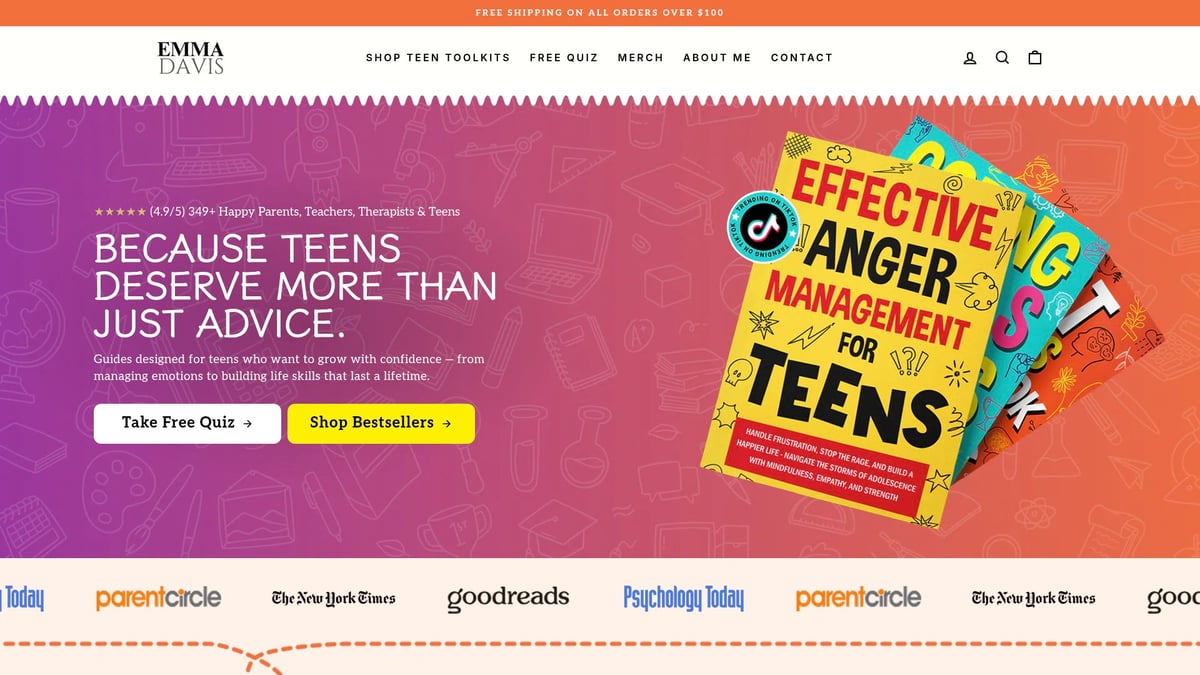
What makes this toolkit unique among books to help mental health is its teen-friendly language and interactive exercises. It is trusted by parents, educators, and therapists for its holistic approach and high customer satisfaction. Teens benefit from relatable content, while adults appreciate the risk-free guarantee and expert approval.
A slight limitation is that some resources are only available in bundles, and the primary focus is on adolescents. Still, its all-in-one support system makes it invaluable. For those seeking more recommendations, check out the Best Books for Teens' Mental Health to further explore impactful books to help mental health in young people.
2. Unwinding Anxiety: New Science Shows How to Break the Cycles of Worry and Fear by Judson Brewer, MD, PhD
"Unwinding Anxiety" is a neuroscience-based guide that helps readers understand and break the cycle of anxiety. Priced at $18.00 for paperback and available in audio or ebook, it is one of the most accessible books to help mental health for adults and older teens.
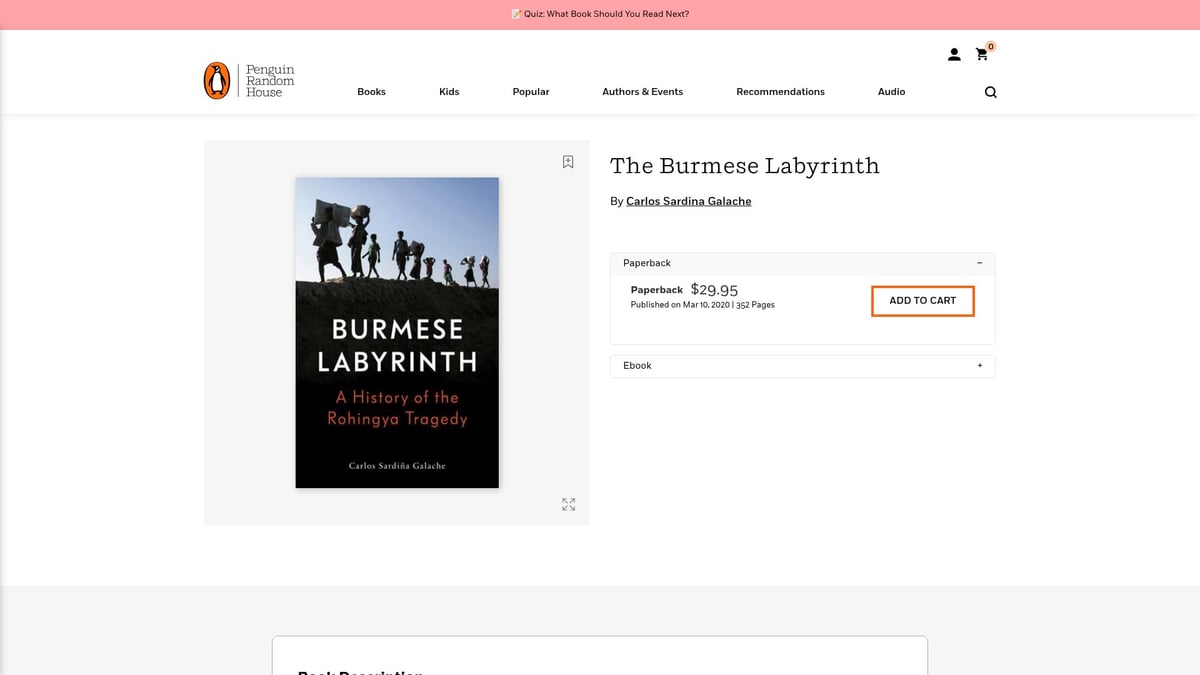
Judson Brewer combines habit science with practical exercises and mindfulness techniques. Real-life case studies make complex ideas relatable, ensuring the book resonates with anyone struggling with anxiety. The step-by-step program is actionable and grounded in cutting-edge research.
While some techniques may require ongoing practice, the book’s value lies in its ability to make habit change understandable. Among books to help mental health, "Unwinding Anxiety" stands out for integrating science with real-world application, helping readers create lasting change in their lives.
3. Maybe You Should Talk to Someone by Lori Gottlieb
Lori Gottlieb’s memoir invites readers inside the therapy room, offering a dual perspective as both therapist and patient. With a paperback price of $18.99, this book is a standout among books to help mental health, especially for those new to therapy.
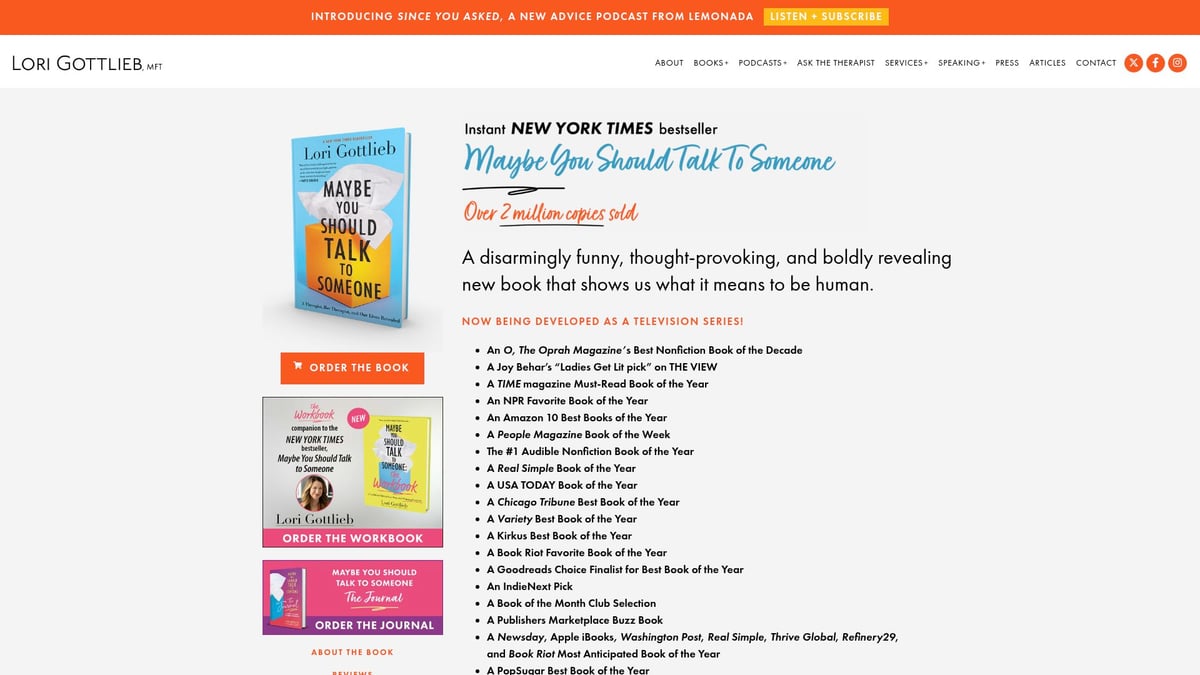
The stories are deeply human and often humorous, demystifying therapy and making it approachable. Readers will find themselves reflected in the clients’ journeys, gaining empathy and insight into their own struggles. The emotional resonance is profound, making it one of the most engaging books to help mental health.
While it is less structured than a step-by-step guide, the narrative style makes mental health care feel accessible. Gottlieb’s balance of vulnerability and expertise ensures this book remains a go-to recommendation for anyone curious about therapy or seeking emotional validation.
4. Atlas of the Heart by Brené Brown
Brené Brown’s "Atlas of the Heart" offers a comprehensive map of 87 human emotions and experiences. Priced at $30.00 for hardcover, this visually rich book is essential for anyone seeking books to help mental health through emotional literacy.
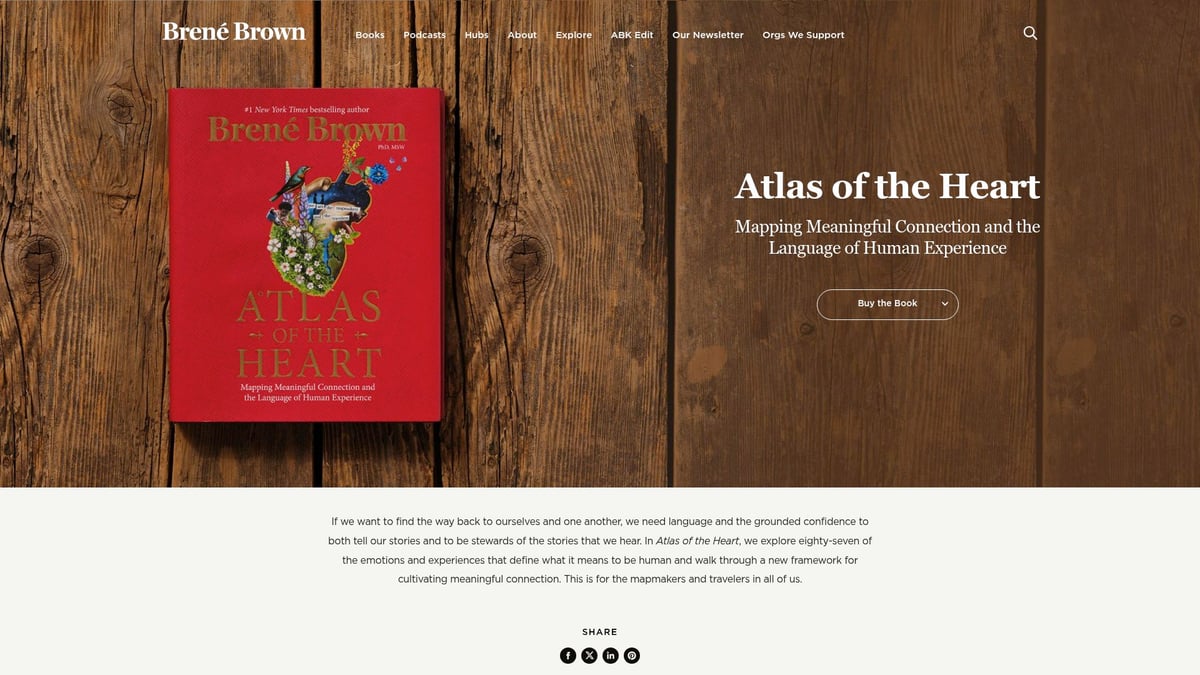
Brown uses research-driven insights to expand readers’ emotional vocabulary, allowing for deeper self-understanding and connection. The book’s structure encourages exploration and reflection, making it ideal for adults, educators, and leaders.
Although the content can be dense for casual readers and less focused on exercises, its depth and visual appeal make it stand out among books to help mental health. For those looking to strengthen their emotional intelligence, "Atlas of the Heart" is an invaluable resource.
5. Permission to Come Home: Reclaiming Mental Health as Asian Americans by Dr. Jenny Wang
"Permission to Come Home" addresses the unique mental health challenges faced by Asian Americans, with a paperback price of $18.99. It is one of the few books to help mental health that prioritizes cultural competence and inclusivity.
Dr. Jenny Wang combines memoir with actionable guidance, validating experiences of stigma and generational trauma. The book offers practical coping strategies and community-focused support, making it especially relevant for BIPOC readers and therapists.
Some content is specific to Asian American experiences, but its broader message of reclaiming mental health resonates widely. Among books to help mental health, this title fills a critical gap, offering both representation and expert advice for those navigating cultural complexities.
6. The Noonday Demon: An Atlas of Depression by Andrew Solomon
Andrew Solomon’s "The Noonday Demon" delivers a thorough exploration of depression, blending science, history, and personal narrative. At $22.00 for paperback, it remains a cornerstone among books to help mental health for those affected by depression.
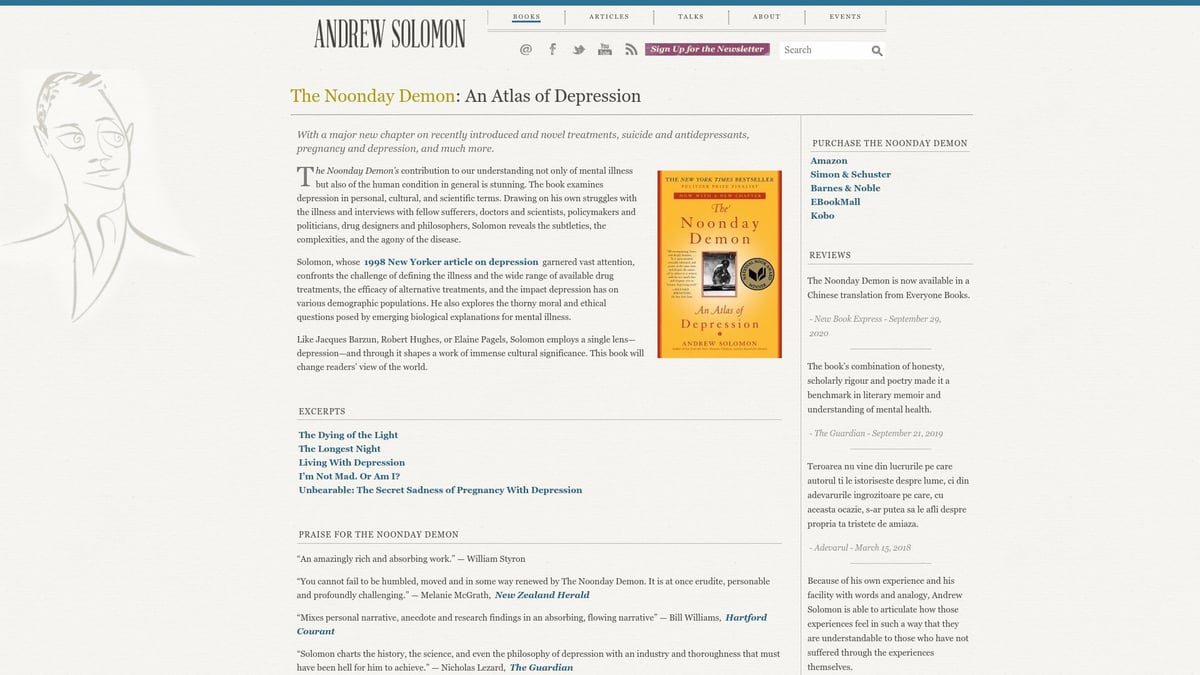
The book’s empathetic approach destigmatizes mental illness, providing comfort and understanding. Solomon’s research is meticulous, and his storytelling is both compassionate and informative, making this one of the most authoritative books to help mental health.
Due to its length and depth, it can be overwhelming for some readers. However, its comprehensive scope ensures that anyone seeking to understand depression will find valuable insights and hope within its pages.
7. Set Boundaries, Find Peace: A Guide to Reclaiming Yourself by Nedra Glover Tawwab
"Set Boundaries, Find Peace" is a practical guide for anyone struggling with relationships or people-pleasing. At $17.00 for paperback, it is one of the most empowering books to help mental health, focusing on the importance of boundaries.
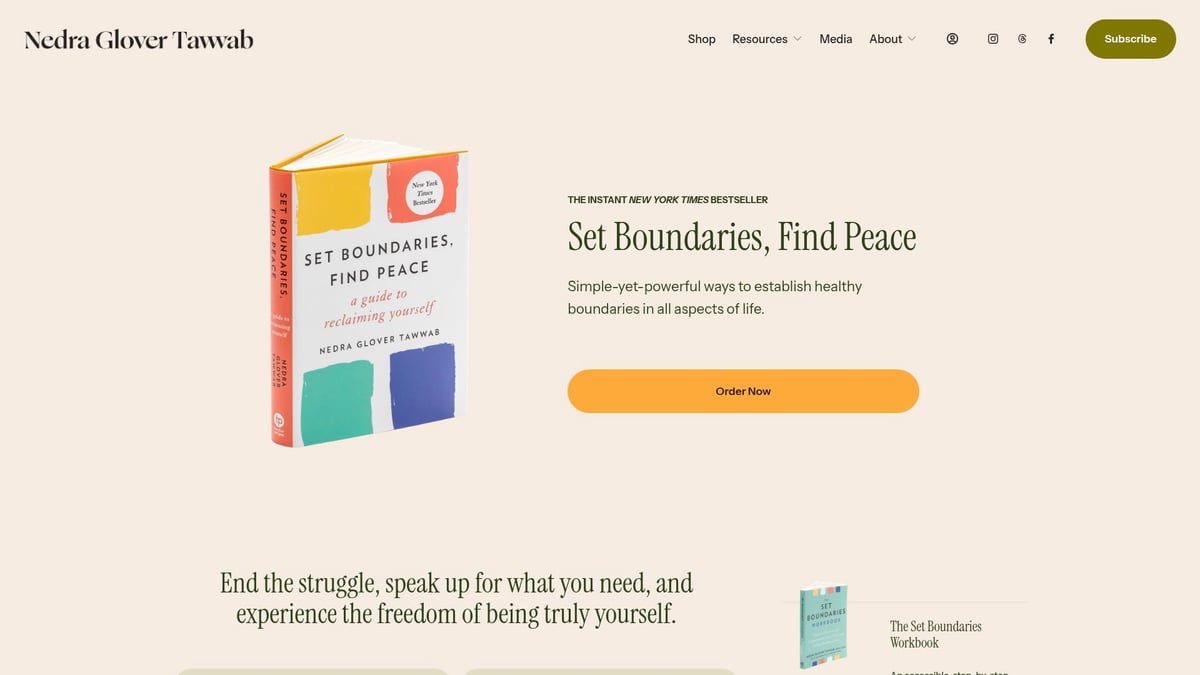
Nedra Glover Tawwab offers step-by-step frameworks, real-life examples, and self-assessment tools. The book’s clarity and actionable advice make it accessible and effective, encouraging readers to advocate for their own needs.
While it primarily focuses on interpersonal boundaries, its impact is far-reaching. As one of the leading books to help mental health, it equips individuals to create healthier, more balanced relationships and reclaim their sense of self.
8. The Mindful Self-Compassion Workbook by Kristin Neff & Christopher Germer
This workbook, priced at $19.95, provides an 8-week self-guided program blending mindfulness and self-compassion. It stands out among books to help mental health for its evidence-based approach and flexible format.
Readers will find guided meditations, exercises, and journaling prompts designed to reduce self-criticism and build resilience. The workbook format encourages active participation, making it ideal for adults seeking practical tools for personal growth.
Consistent effort is required, and not all learners may prefer the workbook style. Still, as one of the most effective books to help mental health, it delivers lasting change by promoting kindness and understanding toward oneself.
9. What Happened to You? Conversations on Trauma, Resilience, and Healing by Oprah Winfrey & Dr. Bruce Perry
Oprah Winfrey and Dr. Bruce Perry engage in a powerful dialogue about trauma’s impact on the brain and behavior. At $28.99 for hardcover, this book is a top choice among books to help mental health for trauma survivors and caregivers.
The conversational format makes complex science accessible, while personal stories bring hope and understanding. Trauma-informed strategies and practical takeaways ensure readers can apply insights to their own lives.
Some repetition occurs due to the dialogue style, but the approachable tone and authoritative voices make it one of the most trustworthy books to help mental health. The book empowers readers to understand and heal from past trauma, fostering resilience and growth.
How to Choose the Right Mental Health Book for Your Needs
Finding the right books to help mental health can be transformative. With so many options available, making a thoughtful choice ensures your reading supports your unique journey. Consider your personal goals, background, and the credibility of each resource before diving in.
Assessing Your Mental Health Goals
Before selecting books to help mental health, clarify what you hope to achieve. Are you seeking practical coping strategies, a deeper understanding of mental health conditions, or inspiration from personal stories? Identifying your goals will guide you toward the most relevant resources.
For instance, if you want actionable exercises, workbooks and guides are ideal. If you’re looking for validation or empathy, memoirs might resonate more. Science-based books offer in-depth explanations for those interested in research and evidence.
A helpful starting point is to explore curated lists like Books About Mental Illness, which categorize books by topic and mental health challenge. Matching your needs to the content ensures your reading is both purposeful and impactful.
Considering Age, Identity, and Lived Experience
The most effective books to help mental health reflect your age, culture, and lived experiences. Teens may benefit from resources tailored to their developmental stage, while adults may connect with different narratives or practical guides.
Seek out books that acknowledge your background. Representation matters, and seeing your experiences mirrored in literature can be validating. For example, resources like Managing Teen Emotions and Mental Health offer age-appropriate guidance for younger readers.
Consider whether you need books with a focus on specific communities, such as BIPOC, LGBTQ+, or neurodivergent audiences. Choosing inclusive content ensures your journey with books to help mental health feels authentic and supportive.
Evaluating Author Credentials and Evidence Base
When selecting books to help mental health, always consider the author’s expertise and the evidence supporting their advice. Authors with professional backgrounds in psychology, psychiatry, or counseling bring authority and trustworthiness.
Look for books that reference current research, include citations, and are endorsed by recognized mental health organizations. These factors increase the likelihood that the guidance you receive is accurate and safe.
Professional credentials and a strong evidence base help distinguish reliable books to help mental health from those based solely on opinion or anecdote. This critical step safeguards your learning and well-being.
Leveraging Reviews and Reader Feedback
Community feedback is invaluable when choosing books to help mental health. Reviews and testimonials highlight how real readers have benefited or what challenges they encountered.
Scan for common themes in feedback, such as clarity, practicality, or emotional resonance. Ratings can reveal which books are consistently effective for a wide audience.
Engaging with online reviews, book club discussions, or forums offers additional perspectives. This collective wisdom can help you find books to help mental health that have made a measurable difference for others.
Integrating Books into Your Mental Health Journey
Taking the next step with books to help mental health means more than just reading. It is about weaving these resources into your daily routine, support systems, and self-care practices. Thoughtful integration can make your reading more impactful and lasting.
Combining Reading with Professional Support
Books to help mental health are most effective when paired with professional guidance. Many therapists recommend bibliotherapy as a supplement to counseling, using structured reading assignments to reinforce therapeutic progress. This approach is supported by research, including bibliotherapy's effectiveness for depression and anxiety, which demonstrates measurable improvements in mental health outcomes.
If you are in therapy, ask your provider about integrating specific books to help mental health into your sessions. Discussing insights or questions from your reading can deepen your understanding and help tailor strategies to your needs.
Building a Sustainable Self-Help Practice
To benefit fully from books to help mental health, consistency is key. Set achievable reading goals, such as a chapter per week, and allow time for reflection. Use practical exercises and journaling prompts from the books to apply concepts to your own life.
Consider creating a simple routine:
- Read a section or chapter at a regular time.
- Reflect on key takeaways after each reading.
- Journal your thoughts or complete recommended exercises.
This sustainable approach ensures that the value from books to help mental health translates into meaningful change.
Sharing and Discussing Books with Others
Sharing your journey with books to help mental health can enhance motivation and accountability. Join a book club, support group, or online community focused on mental wellness. Engaging in group discussions offers new perspectives and helps normalize conversations about mental health.
Consider these benefits:
- Social connection with others who value growth
- Diverse viewpoints that expand your understanding
- Encouragement to stay committed to your reading goals
By discussing books to help mental health with others, you strengthen both your knowledge and your support network.
As we look ahead to 2026 and recognize how vital mental health resources are for teens and families, the right book can truly make a difference. If you’re ready to help your teen build resilience, boost confidence, and navigate emotional challenges with practical, expert-backed strategies, I encourage you to take the next step. Explore a toolkit designed specifically for today’s challenges—trusted by parents, educators, and therapists alike. Let’s work together to support your teen’s growth and well-being.
Start the Reset