


Counseling Books: Essential Guides for Teen Development
Teenagers today navigate an increasingly complex world where emotional intelligence and mental wellness matter more than ever. Counseling books serve as vital resources that bridge professional therapeutic knowledge and accessible self-help strategies, empowering adolescents to develop coping mechanisms, build confidence, and manage their emotional landscapes. These specialized publications translate clinical expertise into practical guidance that resonates with young readers, making mental health support both approachable and actionable. Whether you're a parent seeking resources for your teen, an educator supporting students, or a therapist building a recommended reading list, understanding the landscape of counseling books designed for adolescents can transform how young people access mental health support.
Understanding the Role of Counseling Books in Teen Development
Counseling books occupy a unique space in the mental health ecosystem. They provide structured, evidence-based guidance without requiring immediate access to a professional therapist. For teenagers, these resources offer privacy and autonomy in addressing personal challenges while still benefiting from expert knowledge.
Why Specialized Teen Counseling Books Matter
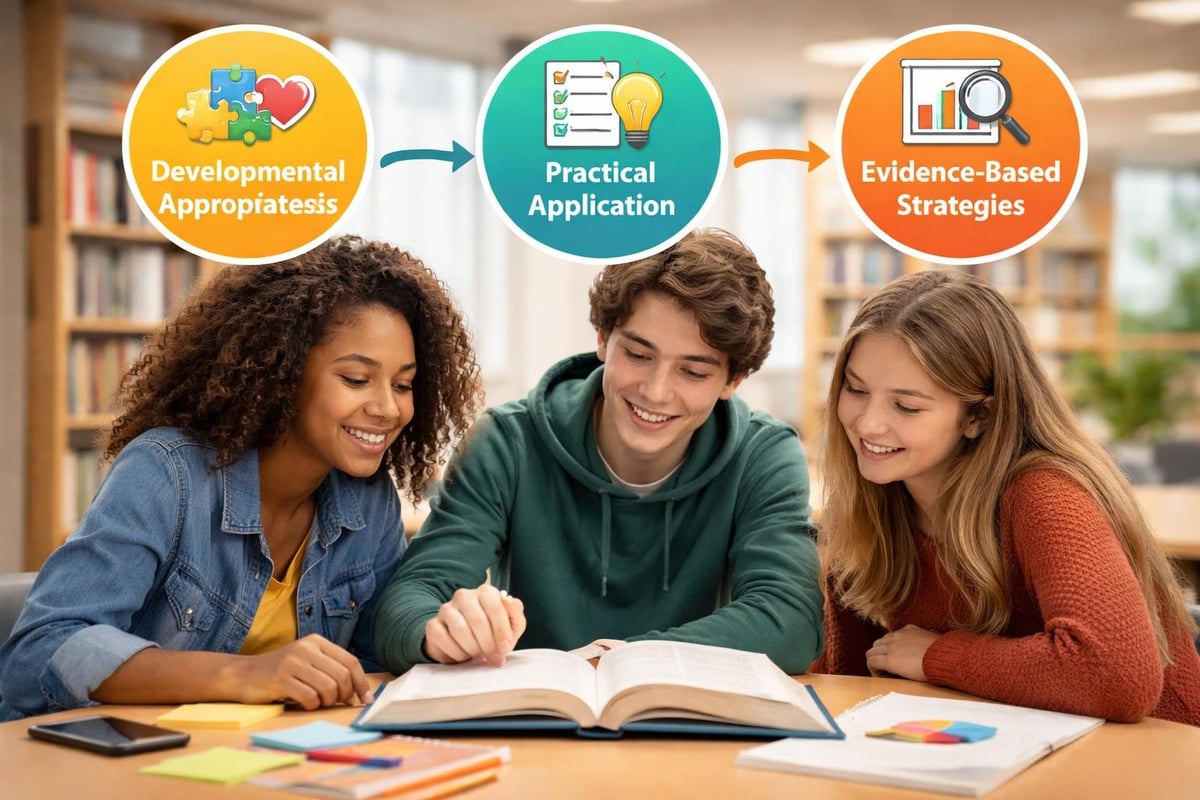
Adolescence represents a critical developmental period marked by neurological changes, identity formation, and increasing independence. Generic self-help literature often fails to address the specific cognitive and emotional needs of this age group. Specialized counseling books for teens incorporate developmentally appropriate language, relatable scenarios, and age-specific strategies that acknowledge where adolescents are in their psychological growth.
Research shows that teenagers respond better to resources that:
- Use contemporary examples and scenarios they recognize
- Acknowledge their emerging independence and decision-making capacity
- Provide practical exercises they can implement independently
- Respect their intelligence while simplifying complex concepts
- Include visual elements and interactive components
The review of counseling resources for children and adolescents highlights how effective materials must balance professional rigor with accessibility. This balance proves especially critical when working with teenagers who may resist traditional therapeutic approaches but remain open to self-directed learning.
Key Categories of Counseling Books for Adolescents
The landscape of counseling books encompasses diverse approaches and focus areas. Understanding these categories helps parents, educators, and therapists select the most appropriate resources for specific needs.
Emotion Regulation and Mental Health Management
Books focusing on emotional intelligence teach teenagers to recognize, understand, and manage their feelings effectively. These resources often incorporate cognitive-behavioral techniques, mindfulness practices, and dialectical behavior therapy (DBT) strategies adapted for adolescent readers.
Core topics covered include:
- Identifying and naming emotions accurately
- Understanding the connection between thoughts, feelings, and behaviors
- Developing healthy coping mechanisms for stress and anxiety
- Building resilience through challenging circumstances
- Creating sustainable self-care routines
Resources like the DBT Skills Guidebook for Teens translate complex therapeutic frameworks into accessible exercises that teenagers can practice independently. This approach empowers young people to become active participants in their mental health journey.
Social Skills and Relationship Building
Another critical category addresses interpersonal development. These counseling books help teenagers navigate friendships, romantic relationships, family dynamics, and social situations with greater confidence and skill.
| Skill Area | Key Components | Practical Applications |
|---|---|---|
| Communication | Active listening, assertiveness, conflict resolution | Expressing needs clearly, setting boundaries, resolving disagreements |
| Empathy | Perspective-taking, emotional recognition | Building deeper friendships, supporting peers, understanding different viewpoints |
| Social Navigation | Reading social cues, group dynamics, peer pressure resistance | Making friends, fitting in while staying authentic, handling social anxiety |
The Social Skills for Teens resource exemplifies how structured guidance can transform abstract concepts into concrete actions teenagers can implement in their daily interactions.
Identity and Self-Concept Development
Adolescence represents a crucial period for identity formation. Counseling books in this category address self-esteem, personal values, goal-setting, and the development of a coherent self-concept.
These resources help teenagers answer fundamental questions:
- Who am I beyond others' expectations?
- What values guide my decisions?
- How do I build authentic confidence?
- What strengths can I develop and leverage?
The Self-Confidence for Teens guide provides frameworks for building genuine self-worth based on internal values rather than external validation. This foundation proves essential for long-term mental wellness.
Selecting Effective Counseling Books for Different Teen Needs
Not all counseling books work equally well for every teenager. Matching resources to individual needs, reading levels, and personal challenges increases their effectiveness significantly.
Assessment Criteria for Quality Resources
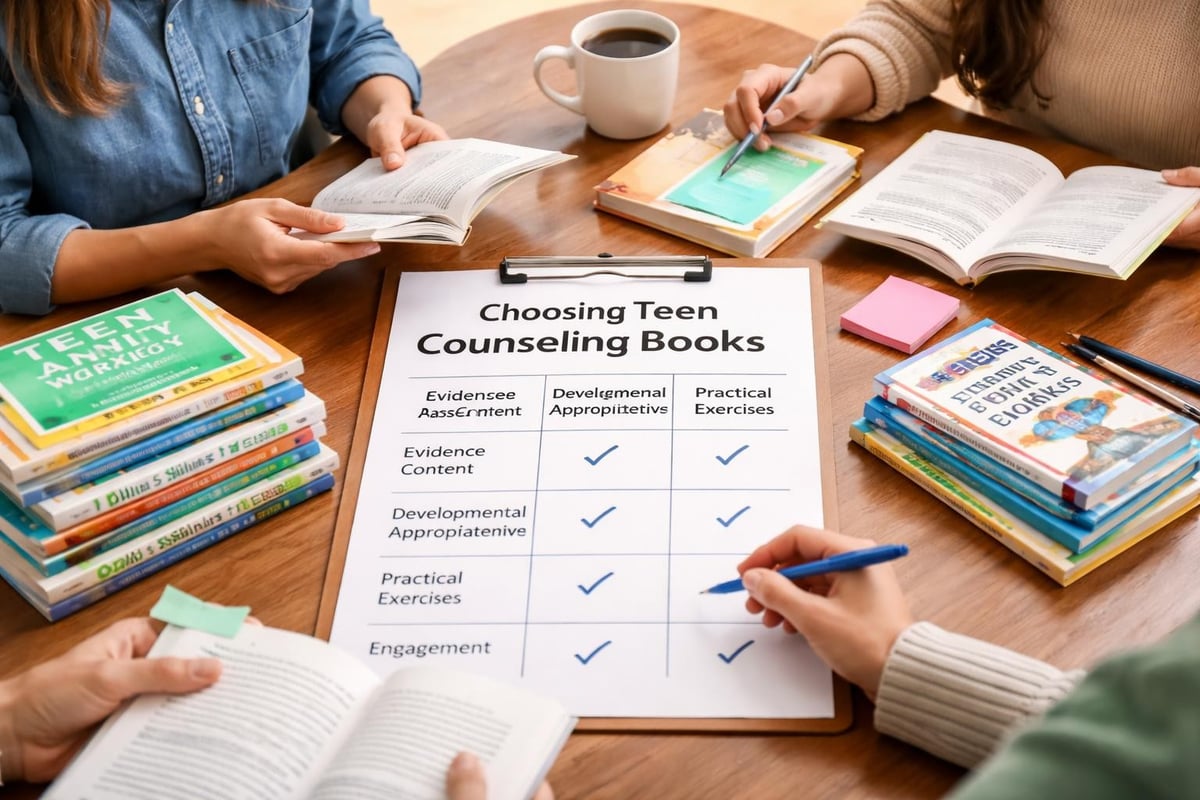
When evaluating counseling books for teenagers, consider these essential factors:
- Evidence-based content: The strategies should reflect established therapeutic approaches
- Age-appropriate presentation: Language and examples should resonate with adolescent experiences
- Practical applicability: Exercises and techniques should be implementable in daily life
- Engaging format: Visual design and structure should maintain teen interest
- Cultural sensitivity: Content should acknowledge diverse backgrounds and experiences
Professional reviews, such as those available through counseling book reviews, provide valuable insights into how well publications meet these criteria. These expert evaluations help distinguish between superficial self-help and truly therapeutic resources.
Matching Books to Specific Challenges
Different challenges require different approaches. A strategic selection process considers the primary issue while acknowledging that many teens face multiple overlapping challenges.
Common teen challenges and corresponding book types:
- Anxiety and worry: Books emphasizing cognitive restructuring and mindfulness techniques
- Depression and low mood: Resources focusing on behavioral activation and thought patterns
- Anger management: Materials teaching emotional regulation and impulse control
- Peer pressure and social anxiety: Books building assertiveness and social confidence
- Academic stress: Resources on time management, organization, and performance anxiety
- Family conflict: Materials addressing communication skills and perspective-taking
The Managing Teen Emotions and Mental Health resource demonstrates how comprehensive approaches can address multiple interconnected challenges simultaneously. This holistic perspective acknowledges the complexity of teenage emotional life.
Integrating Counseling Books into Therapeutic Practice
Professional therapists, school counselors, and educators increasingly incorporate counseling books as complementary tools within broader support frameworks. This bibliotherapy approach extends the impact of direct therapeutic work.
Benefits of Bibliotherapy for Adolescents
When integrated thoughtfully into counseling practice, books provide several distinct advantages:
- Extended support between sessions: Books allow continued progress outside scheduled appointments
- Reduced stigma: Self-directed reading feels less clinical than traditional therapy
- Skill reinforcement: Reading reinforces concepts introduced in counseling sessions
- Family involvement: Parents can engage with the same material to better support their teen
- Cost-effectiveness: Books provide accessible mental health support at lower cost than ongoing therapy
Research on basic counseling skills demonstrates how structured materials enhance both novice and experienced practitioners' effectiveness. For teens, this translates to more consistent support and better outcomes.
Implementation Strategies for Educators and Therapists
Successfully incorporating counseling books requires more than simply handing a teenager a book and hoping for results. Strategic implementation increases engagement and effectiveness.
Recommended approaches include:
- Collaborative selection: Involve the teenager in choosing resources that appeal to their interests
- Structured reading plans: Break books into manageable sections with discussion checkpoints
- Applied practice: Create opportunities to implement strategies in real-world situations
- Progress tracking: Use journals or worksheets to monitor application and effectiveness
- Follow-up discussions: Regular conversations deepen understanding and troubleshoot challenges
The best counseling books consistently demonstrate that active engagement with material produces better outcomes than passive reading alone. This principle applies especially to adolescent readers who benefit from multimodal learning approaches.
Building a Comprehensive Teen Resource Library
Creating a well-rounded collection of counseling books ensures access to appropriate resources as teenager needs evolve. A strategic library includes diverse perspectives, approaches, and focus areas.
Essential Categories for a Complete Collection
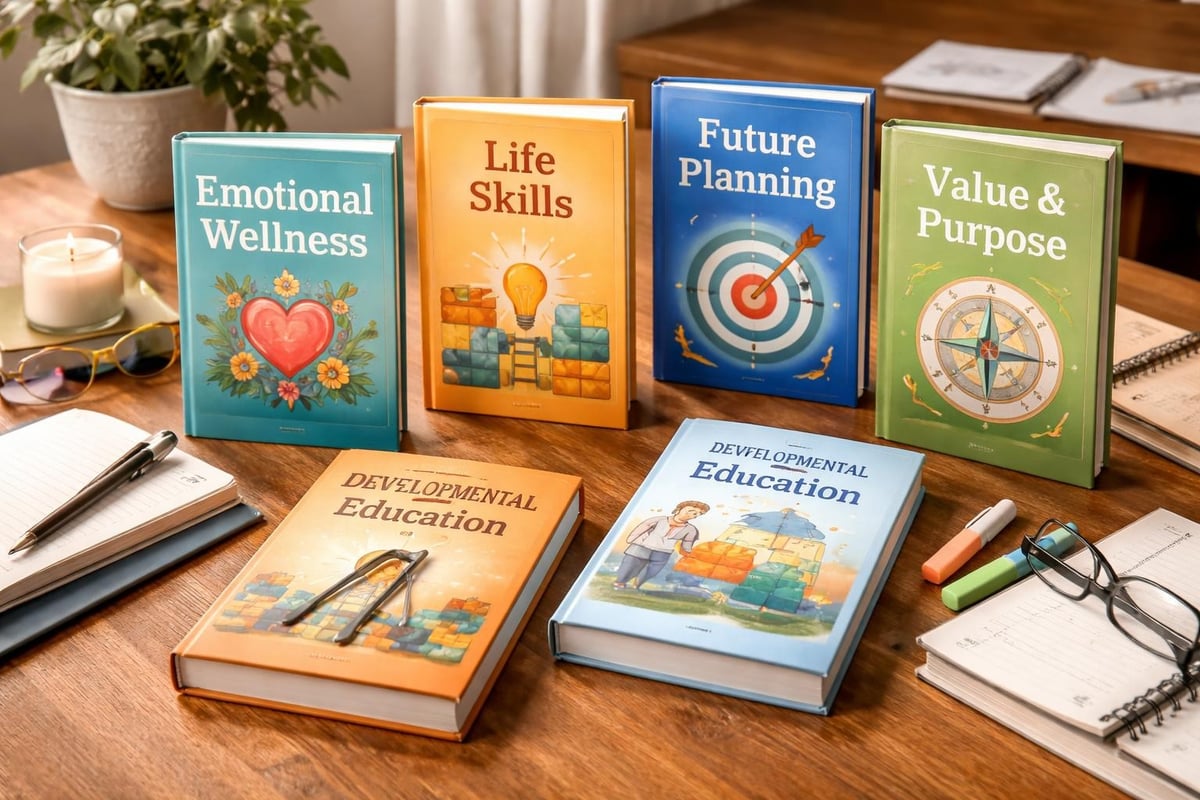
A comprehensive teen counseling book collection should address the full spectrum of adolescent development challenges:
| Category | Primary Focus | Example Topics |
|---|---|---|
| Emotional Wellness | Mental health foundations | Anxiety management, depression awareness, stress reduction |
| Life Skills | Practical competencies | Decision-making, problem-solving, time management |
| Physical Development | Body changes and health | Puberty education, body image, nutrition, exercise |
| Future Planning | Goal-setting and preparation | Career exploration, financial literacy, college readiness |
| Values and Character | Ethical development | Integrity, responsibility, resilience, growth mindset |
Resources like the Essential Life Skills for Teens provide foundational competencies that complement more specialized counseling books. Together, these materials create a comprehensive support system.
Specialized Resources for Specific Populations
Certain adolescent populations benefit from targeted resources that address their unique experiences and challenges. These specialized counseling books acknowledge distinct developmental pathways and cultural contexts.
Gender-specific resources recognize that boys and girls often experience puberty, social pressure, and emotional expression differently. Materials like Puberty Power for Boys and Puberty Power for Girls provide developmentally appropriate guidance tailored to specific experiences.
Faith-based materials integrate spiritual perspectives with psychological guidance for families seeking resources aligned with their values. Options such as Daily Devotions for Teen Girls and Daily Devotions for Teen Boys demonstrate how counseling principles can incorporate religious frameworks.
Measuring the Impact of Counseling Books on Teen Outcomes
Understanding whether counseling books produce meaningful change helps parents, educators, and therapists make informed resource decisions. While individual results vary, research and practical experience reveal consistent patterns.
Observable Changes and Progress Indicators
When counseling books effectively support teen development, several measurable changes typically emerge over time:
- Improved emotional vocabulary: Teenagers articulate feelings with greater precision and nuance
- Enhanced problem-solving: Adolescents approach challenges with more structured thinking
- Increased self-awareness: Teens recognize patterns in their thoughts, feelings, and behaviors
- Better relationship quality: Interpersonal interactions demonstrate improved communication skills
- Reduced symptom severity: Anxiety, depression, or anger symptoms decrease in frequency or intensity
Tracking these indicators requires intentional observation and, ideally, structured assessment tools. Simple journaling, periodic check-ins, or standardized questionnaires can document progress over time.
Combining Books with Other Support Strategies
Counseling books work best as part of a comprehensive support ecosystem rather than standalone solutions. The most effective approaches integrate reading with multiple complementary strategies.
Complementary support elements include:
- Professional counseling: Regular sessions with qualified therapists provide personalized guidance
- Peer support groups: Shared experiences with other teenagers reduce isolation
- Family involvement: Parent education and communication improvement strengthen home environments
- School-based resources: Counselors and supportive educators reinforce concepts
- Physical wellness: Exercise, nutrition, and sleep hygiene support mental health
The curated recommendations from counseling professionals emphasize this integrated approach, recognizing that books amplify rather than replace comprehensive support systems.
Digital Formats and Evolving Access to Counseling Content
The counseling book landscape continues evolving as digital formats expand access and engagement opportunities. Understanding these options helps stakeholders select formats that match teen preferences and learning styles.
Comparing Traditional and Digital Counseling Books
Both physical and digital formats offer distinct advantages for teenage readers:
Physical books provide:
- Tangible interaction without screen time
- Freedom from digital distractions
- Easier annotation and bookmarking
- No battery or device requirements
- Collection building and physical reminders
Digital formats offer:
- Immediate access without shipping delays
- Searchable text for quick reference
- Portability of entire libraries
- Interactive elements and multimedia integration
- Privacy through password protection
Many teenagers benefit from having both options available, choosing formats based on specific situations and preferences. The books on self-improvement available through comprehensive platforms demonstrate how quality content matters more than delivery format.
Interactive and Multimedia Enhancements
Modern counseling books increasingly incorporate interactive elements that boost engagement and learning retention. These enhancements particularly appeal to digitally native teenage audiences.
Effective interactive features include:
- Fillable worksheets and exercises
- Video demonstrations of techniques
- Audio guided meditations or relaxation exercises
- Progress tracking dashboards
- Community forums for peer support
While maintaining the core value of evidence-based guidance, these enhancements make counseling content more accessible and engaging for contemporary teenagers who expect multimodal learning experiences.
Counseling Books as Bridges to Professional Support
One often-overlooked benefit of counseling books involves their role in reducing barriers to professional mental health services. For many teenagers, books serve as stepping stones toward seeking additional support when needed.
Normalizing Mental Health Conversations
When teenagers engage with counseling books, they encounter normalized discussions of mental health challenges, therapeutic strategies, and emotional wellness. This exposure reduces stigma and creates frameworks for understanding when professional help might be beneficial.
Books effectively communicate that:
- Mental health challenges are common and treatable
- Seeking support demonstrates strength, not weakness
- Professional resources exist to help with difficult situations
- Self-help strategies complement rather than replace professional care when needed
This educational foundation makes teenagers more likely to recognize when they need additional support and more comfortable requesting it from trusted adults.
Preparing for Therapeutic Engagement
Teenagers who have worked with counseling books often enter professional therapy better prepared to participate actively in the process. They arrive with established emotional vocabulary, familiarity with therapeutic concepts, and readiness to engage in structured interventions.
Pre-therapy benefits include:
- Understanding that therapy involves active participation and homework
- Recognizing common therapeutic frameworks and approaches
- Developed habit of self-reflection and emotional awareness
- Realistic expectations about the therapeutic process and timeline
- Established practice applying psychological concepts to daily life
Resources like the Coping Skills for Teens guide introduce therapeutic concepts in accessible formats that prepare adolescents for more intensive professional support if circumstances require it.
Creating Sustainable Mental Wellness Through Reading
The ultimate goal of counseling books extends beyond addressing immediate challenges. These resources aim to establish sustainable practices, mindsets, and skills that support lifelong mental wellness and resilience.
Building Long-Term Resilience Frameworks
Effective counseling books teach teenagers not just specific coping strategies but overarching frameworks for approaching challenges throughout life. These meta-skills transcend particular situations and adapt to evolving circumstances.
Core resilience components include:
- Growth mindset development that reframes challenges as opportunities
- Self-regulation skills that manage intense emotions constructively
- Problem-solving approaches that break overwhelming situations into manageable steps
- Self-compassion practices that reduce harsh self-judgment
- Meaning-making abilities that extract lessons from difficult experiences
The Growth Mindset for Teens resource exemplifies how foundational psychological concepts can be translated into accessible guidance that shapes long-term thinking patterns.
Transitioning from Guided to Independent Practice
As teenagers mature and internalize concepts from counseling books, they gradually transition from following structured exercises to independently applying principles in novel situations. This progression represents the ultimate measure of successful learning.
Supporting this transition involves:
- Gradual complexity increase: Moving from simple to sophisticated applications
- Real-world testing: Applying concepts in increasingly challenging situations
- Reflection and adjustment: Evaluating what works and refining approaches
- Independence development: Reducing reliance on explicit guidance
- Skill integration: Combining multiple strategies into personalized approaches
This developmental progression ensures that counseling books create lasting impact rather than temporary solutions, equipping teenagers with tools they'll use throughout adulthood.
Counseling books provide invaluable support for teenagers navigating the complex challenges of adolescence, offering evidence-based strategies in accessible formats that empower young people to take charge of their mental wellness. These resources work best when carefully selected to match individual needs and integrated into comprehensive support systems that include family involvement, peer connections, and professional guidance when appropriate. For parents, educators, and therapists seeking high-quality resources specifically designed for teenage development, Emmadavisbooks.com offers expertly crafted guides that translate therapeutic principles into practical tools teens can use immediately to build confidence, manage emotions, and develop essential life skills.