


8 Empathy Books to Deepen Your Understanding in 2026
In an era where differences often seem to overshadow what connects us, empathy stands out as a vital bridge. The ability to understand and share the feelings of others is more important than ever.
This article presents a carefully selected list of empathy books designed to deepen your perspective in 2026. These titles span both fiction and nonfiction, offering diverse voices and transformative stories.
Whether you seek to challenge your own biases or foster compassion in your community, these empathy books promise to inspire meaningful change. Ready to explore new viewpoints and build genuine understanding? Let’s begin your journey toward greater empathy.
Why Empathy Matters in 2026
Empathy is no longer just a desirable trait—it is an essential skill for navigating the complexities of 2026. As our world faces rapid changes, from technological advances to social and political shifts, the ability to understand and relate to others is more vital than ever. Empathy books have become powerful tools for bridging gaps and strengthening connections in our increasingly diverse communities.
Recent years have shown that empathy is central to addressing mental health challenges, resolving conflicts, and building resilient communities. Studies reveal that reading, especially fiction, can boost empathy by encouraging readers to step into the minds and emotions of others. This connection is why empathy books are being embraced by educators, leaders, and mental health professionals alike.
The role of empathy extends far beyond personal relationships. It helps us break down barriers across generations, races, and genders. In classrooms, empathy books spark meaningful discussions and help students appreciate diverse perspectives. In workplaces, leaders who value empathy foster more inclusive and productive environments. Even in families, reading together can open conversations about feelings and differences that might otherwise remain hidden.
Consider the impact of empathy in recent world events. Communities that responded to crises with understanding and compassion recovered more quickly and built stronger bonds. For example, during health emergencies or social unrest, initiatives focused on empathy led to more effective support networks and reduced polarization. The demand for empathy books reflects a growing awareness that cultivating compassion is not optional—it is necessary for collective well-being.
Professionals across fields are seeking empathy-driven resources. Parents want to raise compassionate children, teachers strive to create supportive classrooms, and therapists recommend empathy books to help clients process emotions. Data consistently show that higher empathy levels correlate with improved mental health and greater social cohesion. According to a recent meta-analysis, compassion for others can lower stress and promote prosocial behaviors, leading to healthier, happier communities (Empathy's impact on mental health).
In summary, empathy is the foundation of a thriving society in 2026. Whether you are looking to improve your own understanding or support others, empathy books offer practical pathways to greater connection, resilience, and hope. Investing in these reads is more than a personal choice—it is a step toward a more compassionate future for all.
How Reading Shapes Empathy
Reading has long been a gateway to understanding others, but recent research highlights just how powerful empathy books can be in shaping our ability to connect with different perspectives. As we immerse ourselves in stories, both real and imagined, we open doors to experiences far removed from our own. This process is not just enjoyable; it is transformative for the mind and heart.
The Science Behind Empathy Books
Scientific studies have established a clear link between reading and enhanced empathy. When people read, especially literary fiction, they activate neural pathways involved in understanding and sharing others’ emotions. For example, a widely discussed article on Scientific American explains that reading literary fiction can improve our ability to interpret social cues and empathize with unfamiliar situations. You can learn more about these findings in this Reading fiction improves empathy article.
Educators and psychologists agree that empathy books are practical tools for fostering emotional intelligence. When readers encounter complex characters or challenging situations, they practice perspective-taking—a skill crucial to empathy. These benefits are not limited by age; both children and adults can develop greater compassion through regular reading.
Fiction, Nonfiction, and Diverse Narratives
Not all empathy books function the same way. Fiction often draws readers into the emotional lives of characters, allowing for a deep, immersive experience. Nonfiction, meanwhile, provides factual insights and firsthand accounts that ground empathy in real-world contexts. Both genres play vital roles in broadening our understanding.
Diverse narratives are especially important. Reading stories from a variety of backgrounds—race, gender, age, and ability—ensures that empathy extends beyond familiar circles. Popular empathy books lists on Reddit and Goodreads frequently highlight titles that challenge assumptions and introduce underrepresented voices. This broad exposure is key to reducing bias and fostering inclusivity.
Empathy Books in Action: Real-World Impact
The impact of empathy books goes beyond theory. Readers often share personal stories about how a particular book changed their worldview or helped them support someone facing hardship. In classrooms, teachers use literature circles and guided discussions to help students process emotions and understand diverse perspectives.
Therapists also recommend empathy books as part of emotional growth exercises, especially for clients struggling with social connection. Surveys show that regular readers tend to score higher on empathy scales, suggesting a tangible link between reading habits and social awareness. As more people seek to bridge divides and build compassionate communities, the role of empathy books in personal and collective growth continues to expand.
8 Empathy Books to Deepen Your Understanding in 2026
Choosing the right empathy books can be transformative. In 2026, stories that foster compassion and bridge divides are more important than ever. The following list highlights eight empathy books that stand out for their diversity, narrative power, and relevance to today's world.
These selections span fiction and nonfiction, contemporary and classic works, and include voices from various backgrounds. Each title offers a unique lens into human experience, challenging readers to broaden their perspectives and deepen their understanding of empathy.
1. A Man Called Ove by Fredrik Backman
Fredrik Backman's "A Man Called Ove" is a cornerstone among empathy books. The novel centers on Ove, a curmudgeonly older man whose rigid routines and gruff demeanor mask profound loneliness and loss. As readers follow Ove's journey, they discover the hidden struggles that shape his behavior and worldview.
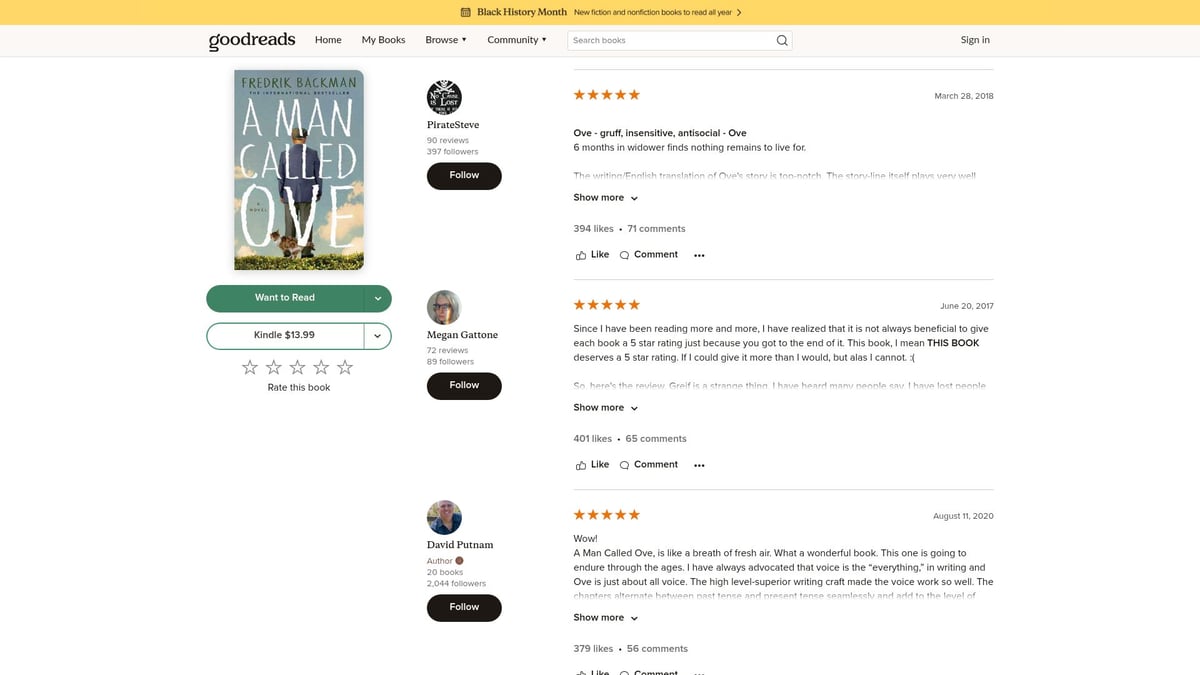
This story excels at challenging assumptions. Through Ove's interactions with his neighbors, the narrative gently unpacks themes of aging, community, and redemption. Readers are invited to reconsider how they view people who may initially seem difficult or unapproachable.
Many who explore empathy books mention this title for its accessible style and emotional resonance. Its international success and film adaptation speak to its universal appeal. Testimonials often highlight how the book helped readers better understand and connect with older adults in their own lives.
Pros:
- Heartwarming and relatable characters
- Easily readable, with humor and emotional depth
Cons:
- Some may find the tone melancholic
By the end, Ove's story leaves a lasting impression, making it a must-read for anyone seeking empathy books that touch the heart and mind.
2. The Bluest Eye by Toni Morrison
Toni Morrison's "The Bluest Eye" is a foundational work among empathy books, exploring race, beauty standards, and the longing for acceptance through the life of Pecola Breedlove. Morrison’s lyrical prose immerses readers in the lived realities of marginalized individuals, offering a window into the pain and resilience shaped by societal expectations.
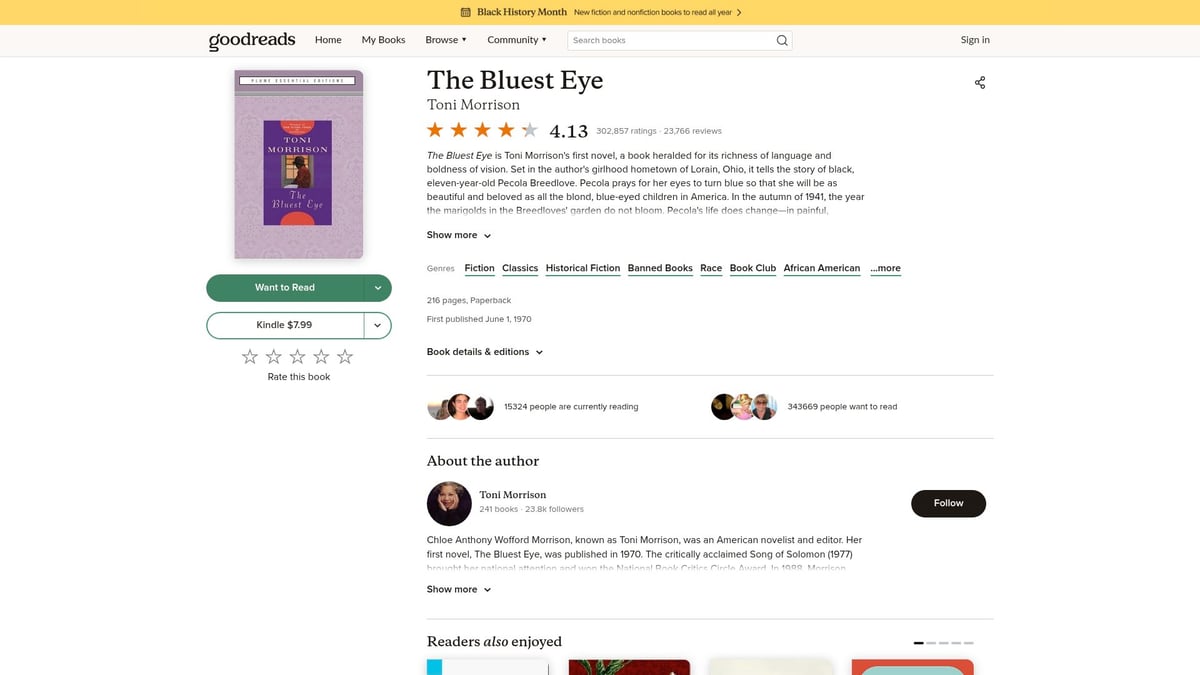
Set in 1940s Ohio, the novel’s historical context remains strikingly relevant. The narrative challenges readers to confront their own biases and reflect on the impact of cultural ideals. "The Bluest Eye" is often recommended in empathy books lists for its transformative power and its ability to spark critical conversations in classrooms and book clubs.
Educators praise its use in fostering discussions about race and trauma. While the themes are heavy, the book’s poetic style helps readers process and empathize with experiences that may differ from their own.
Pros:
- Powerful and poetic language
- Deeply transformative reading experience
Cons:
- Contains emotionally challenging themes
For those looking to expand their understanding through empathy books, Morrison’s novel is both a literary milestone and a call to compassion.
3. When Breath Becomes Air by Paul Kalanithi
"When Breath Becomes Air" by Paul Kalanithi stands out in the realm of empathy books for its raw honesty and vulnerability. This memoir chronicles Kalanithi’s journey from neurosurgeon to patient after a terminal cancer diagnosis, offering intimate insights into mortality, meaning, and the complexities of the patient experience.
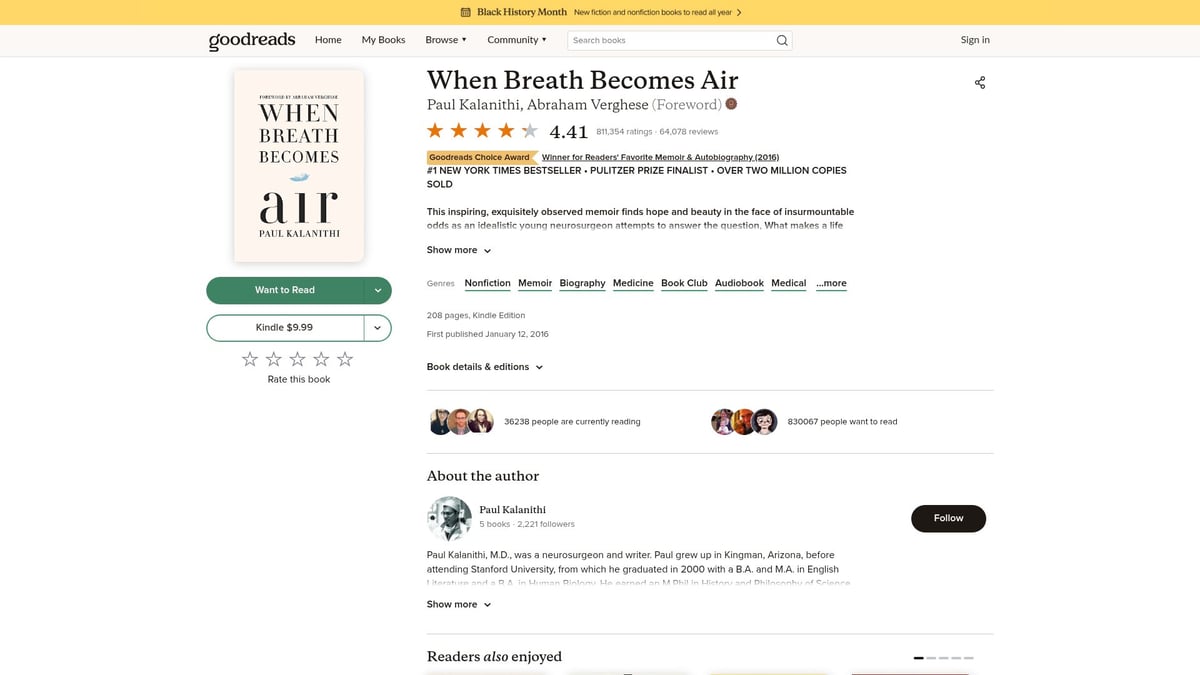
Kalanithi’s reflections challenge readers to empathize with those facing illness—both patients and their families. The narrative bridges the gap between medical professionals and those they serve, making it a common choice among empathy books for healthcare workers and laypeople alike.
Readers frequently cite the book’s impact on their understanding of the fragility of life and the importance of presence. The memoir is also featured in resources discussing books about mental illness, highlighting its contribution to empathy in mental health conversations.
Pros:
- Inspiring and beautifully written
- Thought-provoking and deeply human
Cons:
- Emotionally intense for some readers
For anyone seeking empathy books that illuminate the human condition, Kalanithi’s memoir is essential reading.
4. Melissa by Alex Gino
"Melissa" by Alex Gino is a groundbreaking middle-grade novel in the world of empathy books. Told from the perspective of a young transgender girl, the story follows Melissa's quest for self-acceptance and her journey toward being seen for who she truly is.
The novel is celebrated for its accessibility and positive representation, making it a staple among empathy books for readers of all ages. Parents, educators, and therapists often use "Melissa" to support LGBTQ+ youth and foster understanding in diverse communities.
What sets this book apart is its gentle, age-appropriate approach to complex topics. The story invites young and adult readers alike to empathize with Melissa’s challenges and triumphs, breaking down stereotypes and encouraging kindness.
Pros:
- Inclusive and empowering
- Age-appropriate without oversimplifying issues
Cons:
- Some controversy in school settings
With its focus on acceptance and identity, "Melissa" is a vital addition to empathy books that nurture understanding and inclusion.
5. The Glass Castle by Jeannette Walls
Jeannette Walls’ memoir, "The Glass Castle," is a standout among empathy books for its unflinching honesty. Walls recounts her childhood marked by poverty, resilience, and complex family dynamics, inviting readers to see beyond stereotypes about hardship.
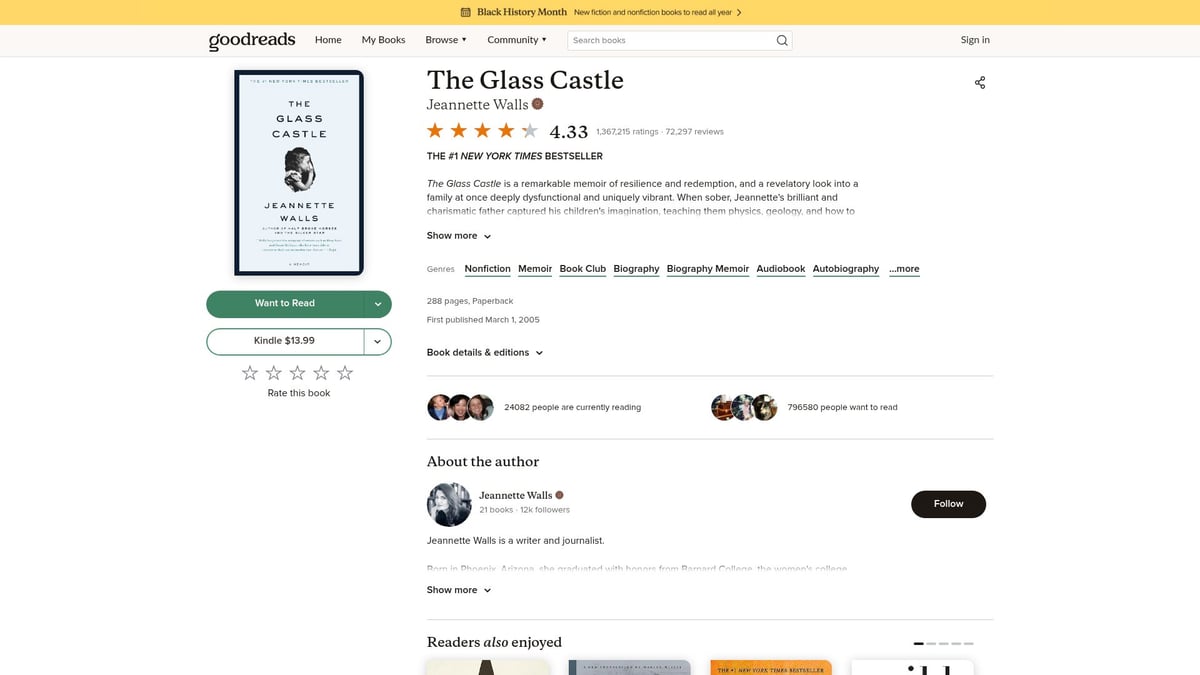
This book excels at revealing the humanity behind difficult circumstances. By sharing her family's struggles and moments of hope, Walls inspires readers to approach others with compassion rather than judgment. "The Glass Castle" is frequently recommended in empathy books lists for understanding trauma and overcoming adversity.
The memoir is gripping and hopeful, providing a nuanced perspective on resilience. Many readers report gaining new appreciation for the challenges others face, making it a valuable tool for personal growth.
Pros:
- Honest and deeply moving
- Inspires compassion for people in hardship
Cons:
- Some scenes may be distressing
For those interested in empathy books that challenge assumptions and inspire change, Walls’ story is both eye-opening and unforgettable.
6. A Thousand Splendid Suns by Khaled Hosseini
Khaled Hosseini’s "A Thousand Splendid Suns" is a powerful entry among empathy books, following the intertwined lives of two Afghan women across decades of conflict. The novel delves deeply into themes of oppression, resilience, and the bonds formed under extreme circumstances.

Hosseini’s storytelling brings to life the complexities of womanhood in a society marked by war and cultural upheaval. Readers are invited to witness the struggles and triumphs of characters whose stories are often overlooked, making it one of the most impactful empathy books for global perspective.
The emotional depth and evocative prose open Western readers’ eyes to issues facing women worldwide. The story’s cross-cultural insights foster a broader, more inclusive sense of empathy.
Pros:
- Powerful and evocative
- Rich in cross-cultural understanding
Cons:
- Contains graphic and traumatic events
For those seeking empathy books that expand horizons and deepen compassion, "A Thousand Splendid Suns" is essential.
7. The Things They Carried by Tim O’Brien
Tim O’Brien’s "The Things They Carried" is a staple among empathy books, offering a collection of linked stories about soldiers in the Vietnam War. The narrative explores the psychological burdens of conflict, the weight of memory, and the universality of fear and hope.
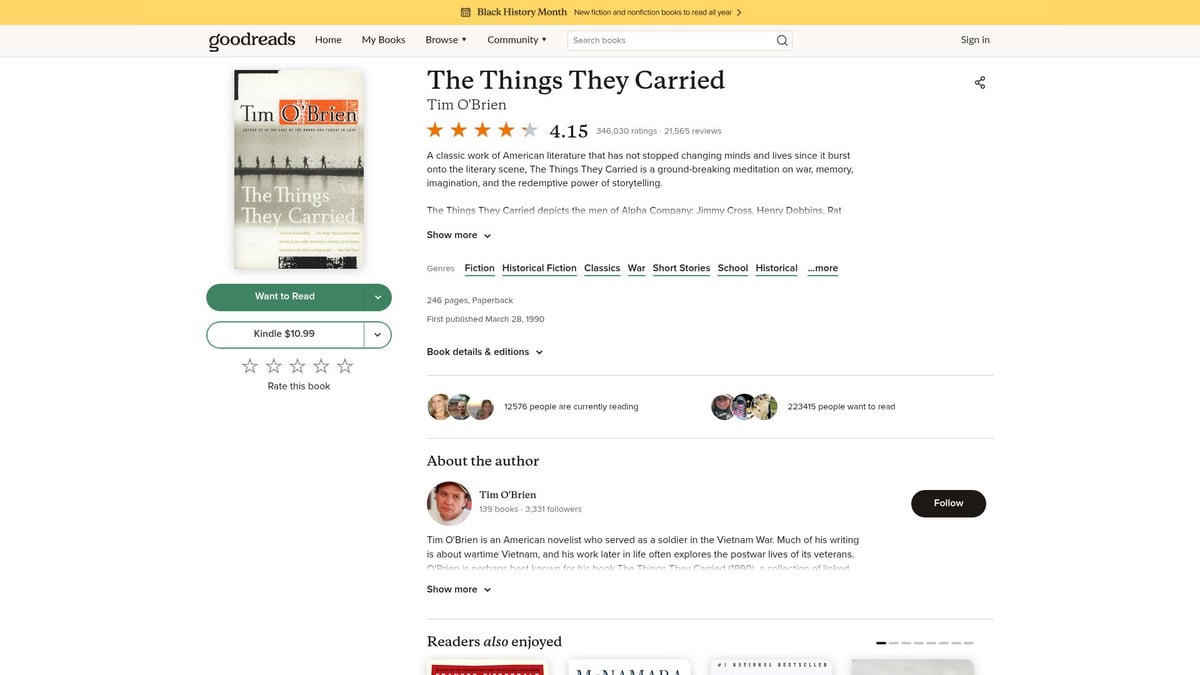
O’Brien’s work is widely used in educational settings to discuss trauma, masculinity, and the human side of war. The book encourages readers to empathize with those affected by violence and to consider the lasting impact of conflict on individuals and communities.
Its literary style and emotional resonance have made it a frequent recommendation in empathy books discussions. Many readers report a greater understanding of the inner lives of veterans after engaging with the text.
Pros:
- Literary and nuanced storytelling
- Emotionally resonant
Cons:
- War themes may be difficult for some
For anyone building a list of empathy books, O’Brien’s collection offers a profound look into the costs and consequences of war.
8. Middlesex by Jeffrey Eugenides
Jeffrey Eugenides’ "Middlesex" is a multigenerational saga that stands out in empathy books for its exploration of identity, gender, and belonging. The story follows an intersex protagonist navigating family legacy and personal discovery, offering a perspective rarely seen in mainstream literature.
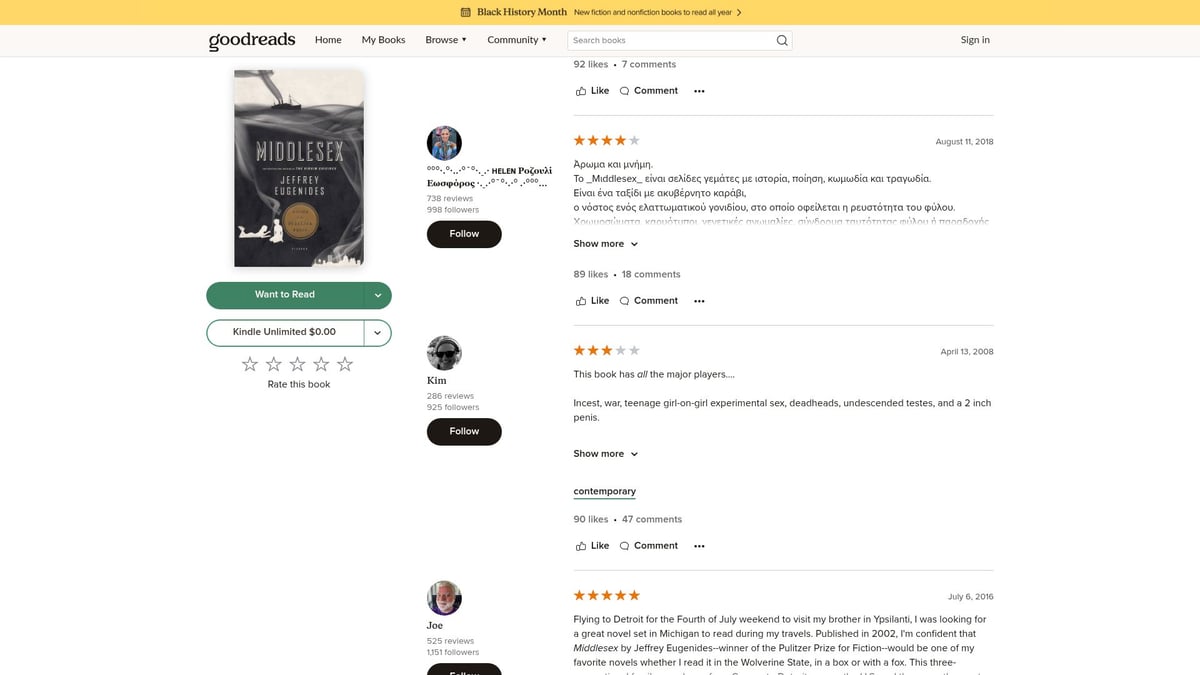
"Middlesex" is critically acclaimed, earning the Pulitzer Prize for its complex, engaging narrative. The novel shines as an empathy books choice for readers seeking to understand experiences beyond their own, particularly around issues of gender and identity.
Its length and mature themes require commitment, but the rewards are considerable. Readers often find their perspectives broadened, gaining empathy for individuals whose stories are seldom told.
Pros:
- Complex and eye-opening narrative
- Engaging, with rich character development
Cons:
- Lengthy and requires maturity for some themes
For those curating a collection of empathy books, "Middlesex" offers an unforgettable journey into the heart of what it means to belong.
Tips for Choosing Empathy-Building Books
Choosing the right empathy books can transform how you see the world and relate to others. With so many options available, making thoughtful selections will help you get the most from your reading experience. Here are practical tips to guide your journey.
Setting Goals and Preferences
Begin by clarifying your purpose for reading empathy books. Are you hoping to understand a specific experience, broaden your worldview, or support someone you care about? Defining your goals will help you select titles that align with your needs.
Consider whether you prefer fiction, nonfiction, or a blend of both. Fiction often immerses you in another person’s life, while nonfiction can offer real-world insights and practical advice. For those interested in broader life perspectives, explore curated books on life skills that nurture empathy alongside other essential abilities.
Embracing Diversity in Reading
To truly expand empathy, seek out voices from a wide range of backgrounds. This means reading empathy books by authors of different races, genders, abilities, cultures, and ages. Diverse stories challenge assumptions and reveal perspectives you may not encounter in daily life.
Rotating between classic and contemporary works can also offer fresh insights. Classic literature often explores universal human emotions, while modern titles reflect current social challenges and evolving identities.
Engaging with Community and Expert Recommendations
Joining a book club or discussion group can deepen your engagement with empathy books. Conversations with others prompt new reflections and encourage you to consider alternative viewpoints. Many educators, therapists, and empathy experts regularly share reading lists tailored to different audiences and needs.
Pay attention to recommendations from trusted voices in the field. Their curated lists often feature impactful titles that might otherwise be overlooked. Online communities and platforms like Goodreads can help you discover what others found meaningful.
Managing Emotional Readiness and Variety
Some empathy books address heavy or sensitive topics. Always check for trigger warnings and be honest about your emotional readiness before diving in. It is important to approach challenging material at your own pace.
Scientific research supports the benefits of reading for empathy. For example, one study on fiction reading and empathy highlights how immersing yourself in stories can heighten empathic concern and perspective-taking. By rotating between genres and themes, you keep your reading experience engaging and prevent emotional fatigue.
Choosing a range of empathy books not only broadens your understanding but also helps reduce prejudice and strengthen connections with others. Thoughtful selection leads to a more meaningful and transformative reading journey.
Empathy Beyond Books: Practical Steps for Everyday Life
Cultivating empathy does not end after you close the last page of your favorite empathy books. The real transformation begins when you apply the insights from these titles to your daily interactions and relationships. Adopting empathy as a habit can reshape how you see yourself and others, creating a ripple effect in your home, workplace, and community.
From Page to Practice: Applying Empathy Books in Real Life
Start by translating lessons from empathy books into intentional actions. Practice active listening by giving others your full attention and asking thoughtful questions. Use perspective-taking to imagine how someone else might feel in a given situation. These foundational skills, highlighted in many Best Book About Social Skills, help you build stronger connections and reduce misunderstandings.
Try using empathy-building exercises, such as journaling about others’ experiences or role-playing difficult conversations. These practical steps can deepen the impact of what you learn from empathy books, making compassion a daily practice.
Everyday Habits for Building Empathy
Empathy grows with consistent effort. Make it a habit to volunteer or engage with communities different from your own. Small gestures, such as offering help to a neighbor or participating in local events, foster a sense of shared humanity.
Incorporate reflection into your routine. After reading empathy books, jot down new insights and consider how they might change your behavior. By tracking these shifts, you reinforce your commitment to empathy and create space for personal growth.
Fostering Empathy in Youth and Community
Empathy books are powerful tools for nurturing compassion in children and teens. Shared reading and open discussions encourage young people to see the world through diverse perspectives. Schools and families can use stories to spark conversations about kindness, fairness, and inclusion.
Research highlights the link between empathy and life satisfaction in adolescents, as shown in Empathy and life satisfaction in adolescents. By prioritizing empathy-building activities, communities help young people develop emotional intelligence and resilience.
Measuring Growth and Expanding Your Impact
Track your empathy journey by reflecting on changes in your attitudes and actions. Notice how your responses to conflict or misunderstanding evolve over time. Use digital platforms, like online forums or social media, to connect with people from different backgrounds and practice global empathy.
Remember, the insights from empathy books are most valuable when shared. Join book clubs, participate in group discussions, or mentor others. By modeling empathy in your daily life, you inspire others to do the same and contribute to a more compassionate society.
As you reflect on these inspiring empathy books, remember that real growth comes from putting new perspectives into practice. Whether you are a parent, educator, or teen, building empathy is a journey that strengthens confidence and emotional skills for life. If you are ready to take the next step in developing these essential traits, you can start with practical tools and expert guidance designed for today’s challenges. I invite you to Start the Growth Pack—a resource created to help teens foster resilience, empathy, and self-understanding as they navigate adolescence and beyond.