


7 Powerful Ways to Improve Books in 2026
Imagine a future where reading feels limitless, as books become more immersive, accessible, and transformative than ever before. The way we read and interact with stories is changing quickly, and by 2026, readers will expect even more from every page.
New technologies, evolving reader habits, and a drive for inclusivity are reshaping the world of books. If you want to improve books for the next generation, it is vital to understand the trends shaping this revolution.
In this article, discover seven powerful strategies that will redefine books in 2026. From AI-driven personalization to sustainable publishing, these insights will help ensure books remain essential tools for learning, growth, and inspiration.
The Changing Landscape of Books in 2026
The world of books has experienced a remarkable transformation over the past decade. As technology reshapes every aspect of life, the way we read, share, and improve books is evolving at a rapid pace. Readers today expect more than just words on a page. They seek immersive experiences, diverse perspectives, and content that reflects their lives.
A major force behind this change is the digital revolution. Audiobooks and eBooks have surged in popularity, offering unparalleled convenience and accessibility. Interactive formats, such as enhanced eBooks with embedded media, are redefining what it means to engage with a story. In fact, digital book sales accounted for over 35% of the global market in 2025, a clear sign that digital-first strategies are here to stay.
Social media platforms are also rewriting the rules of book discovery. Communities on BookTok and Instagram have made it easier than ever for readers to find and discuss new titles. Viral trends and influencer recommendations can turn a little-known book into an overnight sensation. This powerful sense of community is driving publishers and authors to rethink how they improve books for modern audiences.
Inclusivity and accessibility are now central to the publishing industry. There is a growing demand for books that reflect a wide spectrum of cultures, identities, and experiences. Publishers are investing in content that is not only diverse, but also accessible to all readers, including those with disabilities. Recent years have seen the rise of memoirs and self-help books that focus on mental health, personal growth, and resilience. These genres have become especially popular among teens and young adults, as highlighted in resources like the Best books for teens in 2026.
To compete with other forms of entertainment and education, books must continue to innovate. The challenge for publishers, authors, and technology developers is to improve books in ways that foster deeper engagement, support lifelong learning, and make stories accessible to everyone. Only by embracing new technologies and prioritizing inclusivity can the industry ensure that books remain powerful tools for personal growth and discovery in 2026 and beyond.

7 Powerful Ways to Improve Books in 2026
The evolution of books is accelerating, opening up new possibilities for publishers, authors, and readers. To improve books in 2026, it is essential to embrace innovation at every level, from content creation to delivery. The following seven strategies highlight how to improve books for greater engagement, accessibility, and impact.

1. AI-Driven Personalization for Readers
Artificial intelligence is transforming the way we improve books by enabling tailored reading experiences for every individual. By analyzing reading habits, preferences, and even learning styles, AI can recommend titles that align with each reader’s interests. This level of personalization helps improve books to match both casual readers and those seeking specific knowledge.
Adaptive content is gaining traction, with digital platforms allowing books to adjust language complexity or introduce related topics as the reader progresses. For example, AI-powered reading apps now analyze user engagement patterns to suggest what to read next, when to take breaks, or how to deepen comprehension. According to a recent AI-driven content personalization report, this technology is revolutionizing content delivery, shifting the industry toward hyper-personalized, real-time reading journeys.
Benefits of AI-driven personalization include:
- Higher reader satisfaction and engagement
- Increased book completion rates
- Enhanced learning outcomes and retention
However, to improve books responsibly, publishers must balance personalization with privacy, ensuring user data remains protected and algorithms do not reinforce bias. The future promises even greater customization, with personalized reading plans for education and self-improvement, making it easier than ever to improve books for diverse audiences.
2. Enhanced Interactivity and Multimedia Integration
To improve books for today’s readers, integrating interactive and multimedia elements is key. Digital books now embed audio, video, and quizzes, transforming reading into a multi-sensory experience. This approach is especially effective in educational settings, where children’s books with interactive features have demonstrated up to 40% higher retention rates.
Augmented reality (AR) takes interactivity further, allowing readers to see characters or concepts come alive on their screens. For example, a history book might overlay 3D models of ancient artifacts, while a memoir could include embedded interviews with the author.
Gamification is another way to improve books, with readers earning badges, rewards, or unlocking bonus chapters for reaching milestones. These features encourage consistent engagement and make reading more enjoyable.
Consider these interactive enhancements:
- Audio narration and sound effects
- Video interviews or guided meditations
- Quizzes, polls, and discussion prompts
- Unlockable content for achievements
While interactive books foster deeper engagement and cater to different learning styles, it is vital to ensure accessibility for all readers. Publishers should strive to improve books without sacrificing narrative flow or creating barriers for those with disabilities.
3. Greater Accessibility and Inclusive Design
To truly improve books, accessibility and inclusivity must be at the forefront of design. Many readers face challenges such as visual impairments or dyslexia, making traditional books difficult to enjoy. By adopting accessible features, publishers can improve books for a broader audience.
Key accessibility strategies include:
- Screen reader compatibility
- Dyslexia-friendly fonts
- Adjustable text sizes and contrast options
Publishing in multiple formats, such as print, eBook, audiobook, and large print, ensures that everyone can access content in their preferred way. The rise of “born-accessible” publishing standards in 2025 marks a significant step toward inclusivity.
A recent statistic shows that 20% of the population has a print disability. By prioritizing accessibility, publishers not only improve books for those individuals but also expand their market reach and promote educational equity.
Inclusive content is equally important. Books that represent diverse cultures, identities, and experiences foster a sense of belonging and encourage lifelong reading habits. While the cost and complexity of accessible design can be challenging, the benefits of improving books for everyone far outweigh the investment.
4. Community-Driven Book Creation and Engagement
Readers are no longer passive consumers; they want to shape and improve books alongside authors. Community-driven models allow for crowdsourcing story ideas, feedback, and even plot twists from dedicated fan bases. Platforms now enable collaborative writing, where authors and readers co-create stories in real time.
Interactive fiction apps let users vote on story outcomes, driving engagement and making each reading experience unique. Book clubs and online communities further influence editorial decisions and marketing strategies. Data shows that books with active online communities see twice the sales and review counts compared to those without.
Community engagement offers several advantages:
- Stronger reader loyalty
- Authentic word-of-mouth promotion
- Diverse perspectives enriching the narrative
However, authors and publishers must find a balance between maintaining creative vision and embracing collaborative input. When managed well, community-driven approaches significantly improve books, making them more relevant and responsive to reader interests.
5. Sustainable and Eco-Friendly Publishing Practices
Sustainability is now a core expectation for publishers looking to improve books and their production processes. The industry is adopting recycled paper, biodegradable inks, and carbon-neutral shipping to minimize environmental impact.
Digital-first strategies are also reducing physical waste, while major publishers have committed to achieving net-zero emissions by 2026. According to recent statistics, the publishing industry reduced its carbon footprint by 18% from 2022 to 2025, reflecting a growing commitment to eco-friendly practices.
Consumer demand for sustainability is strong, with 70% of Gen Z readers preferring brands that prioritize the environment. Benefits of sustainable publishing include:
- Enhanced brand reputation
- Regulatory compliance
- Positive impact on the planet
Challenges remain, such as balancing sustainability with cost and maintaining print quality. Still, these efforts to improve books through greener practices are essential for the industry’s future resilience.
6. Data-Driven Content Development and Marketing
To improve books in a competitive landscape, leveraging data analytics is crucial. Publishers now use real-time reader data to refine book topics, pacing, and structure, ensuring content remains relevant and engaging.
Feedback loops allow authors to update books based on reader behavior, such as which chapters are most popular or where readers tend to lose interest. Self-help books, for instance, are often updated annually to reflect new research and reader feedback.
Data-driven marketing uses behavioral insights to target ideal audiences, resulting in more effective campaigns. Books optimized through analytics see 25% higher completion and satisfaction rates, underscoring the value of this approach.
When applying data to improve books, transparency and ethical use of reader information are essential. Publishers must clearly communicate how data is collected and used, building trust with their audiences.
7. Lifelong Learning Integration and Skills Development
Books are evolving into dynamic tools for lifelong learning, offering actionable exercises and reflection prompts to help readers build real-world skills. For example, self-improvement books now feature progress trackers, goal-setting tools, and integration with learning apps.
Partnerships with schools and universities ensure that books align with curricula, making them valuable for both self-directed and formal education. Certification programs and digital badges further motivate readers to engage with content deeply.
In 2025, 55% of adult learners reported using books as their primary resource for self-education. This trend drives publishers to improve books by embedding practical skills across genres, from career development to wellness and financial literacy.
For readers interested in curated resources, the Self-improvement books PDF guide offers practical insights and strategies for personal growth, showcasing how modern books can foster lifelong learning.
By focusing on skill-building and actionable content, publishers ensure that books remain indispensable tools for growth and self-discovery.
The Role of Book Guides and Resources for Teens in 2026
In 2026, the need to improve books for teens has never been greater. Adolescents today face a rapidly changing world, with new pressures on their mental health, social skills, and emotional well-being. As a result, families, educators, and therapists are seeking specialized guides that not only inform but also empower teens to thrive. The right resources can bridge gaps in support and provide actionable tools for growth.
A growing body of evidence highlights the demand for practical guides and workbooks that address confidence, emotional regulation, and essential life skills. In 2025, data from the CDC revealed that one in five teens experienced significant mental health challenges, underscoring the urgency to improve books aimed at this age group. Schools and therapy settings increasingly rely on evidence-based toolkits, offering structured exercises and relatable scenarios to help teens manage stress and build resilience.
The evolution of these resources goes beyond traditional textbooks. Today’s guides are interactive, visually engaging, and often bundled into comprehensive packages that support a variety of needs. For instance, curated resources like the teen mental health bundle provide step-by-step strategies, reflection prompts, and progress trackers, making it easier for teens and their families to engage in meaningful self-improvement. Such bundles are trusted by thousands of professionals and are designed with inclusivity in mind, ensuring accessibility for diverse backgrounds and learning styles.
These developments are part of a broader movement to improve books for teens by focusing on skill-building and social development. Titles that foster empathy, communication, and confidence are in high demand, as seen in collections of books about improving social skills. These resources not only address day-to-day challenges but also equip teens with lifelong tools for personal and academic success.
Ultimately, the role of expert-approved and inclusive book guides in 2026 is crucial. Trusted content gives parents, teachers, and therapists confidence that the materials they recommend are evidence-based and effective. As publishers and authors strive to improve books for the next generation, comprehensive, actionable, and accessible resources will remain indispensable in helping teens navigate a complex world.
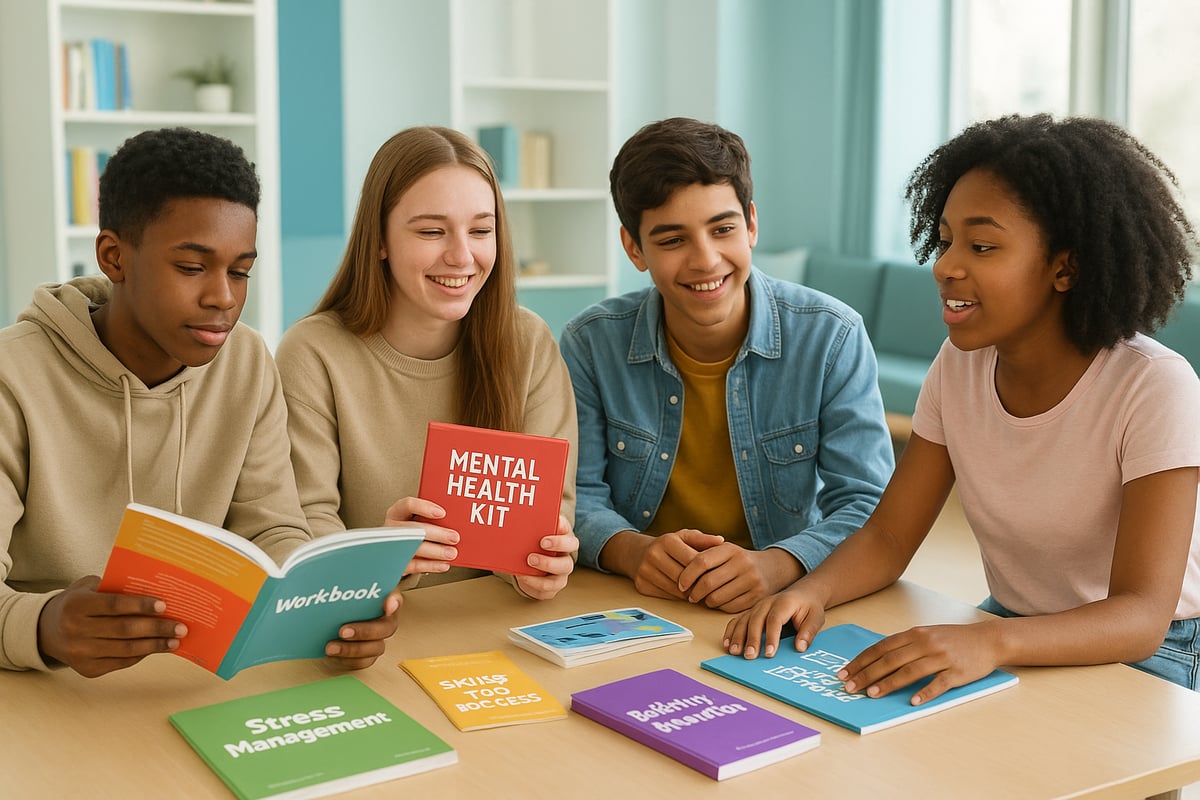
As we look ahead to the future of books in 2026, it is clear that innovation and practical resources will be essential for supporting growth and resilience in teens. If you are ready to help the young people in your life build confidence, manage emotions, and develop skills for a changing world, you do not have to wait for the future—real transformation starts now. Explore resources designed to empower and guide teens every step of the way. Let us make 2026 the year your teen thrives—Start the Growth Pack.