


Support Books: Essential Guides for Teen Growth in 2026
The teenage years bring unprecedented challenges that demand more than casual advice or generic solutions. Support books have emerged as critical resources for helping adolescents navigate the complex landscape of emotional development, social pressures, and personal growth. These specialized guides provide structured frameworks, evidence-based strategies, and practical tools that empower young people to build resilience and confidence during one of life's most transformative periods.
Understanding the Role of Support Books in Teen Development
Support books serve a distinct purpose in adolescent education and personal growth. Unlike traditional textbooks or recreational reading, these resources focus specifically on developing emotional intelligence, coping mechanisms, and practical life skills. They bridge the gap between professional therapy and everyday guidance, offering accessible strategies that teens can implement independently or with parental support.
The most effective support books combine psychological research with relatable scenarios that resonate with teenage experiences. They address real challenges such as anxiety, peer pressure, body image concerns, and academic stress through language and examples that speak directly to adolescent readers. This targeted approach makes complex concepts digestible and actionable for young minds still developing critical thinking skills.
Key Components That Make Support Books Effective
Successful support books typically incorporate several essential elements:
- Age-appropriate language that respects teen intelligence without overwhelming them
- Interactive exercises and worksheets that encourage active participation
- Real-world scenarios that mirror actual teenage experiences
- Evidence-based techniques validated by mental health professionals
- Progressive skill-building that creates sustainable habits
Research demonstrates that teens engage more deeply with materials designed specifically for their developmental stage. Support books that acknowledge the unique pressures of modern adolescence, including social media challenges and academic expectations, create stronger connections with readers and produce better outcomes.
Categories of Support Books for Different Teen Needs
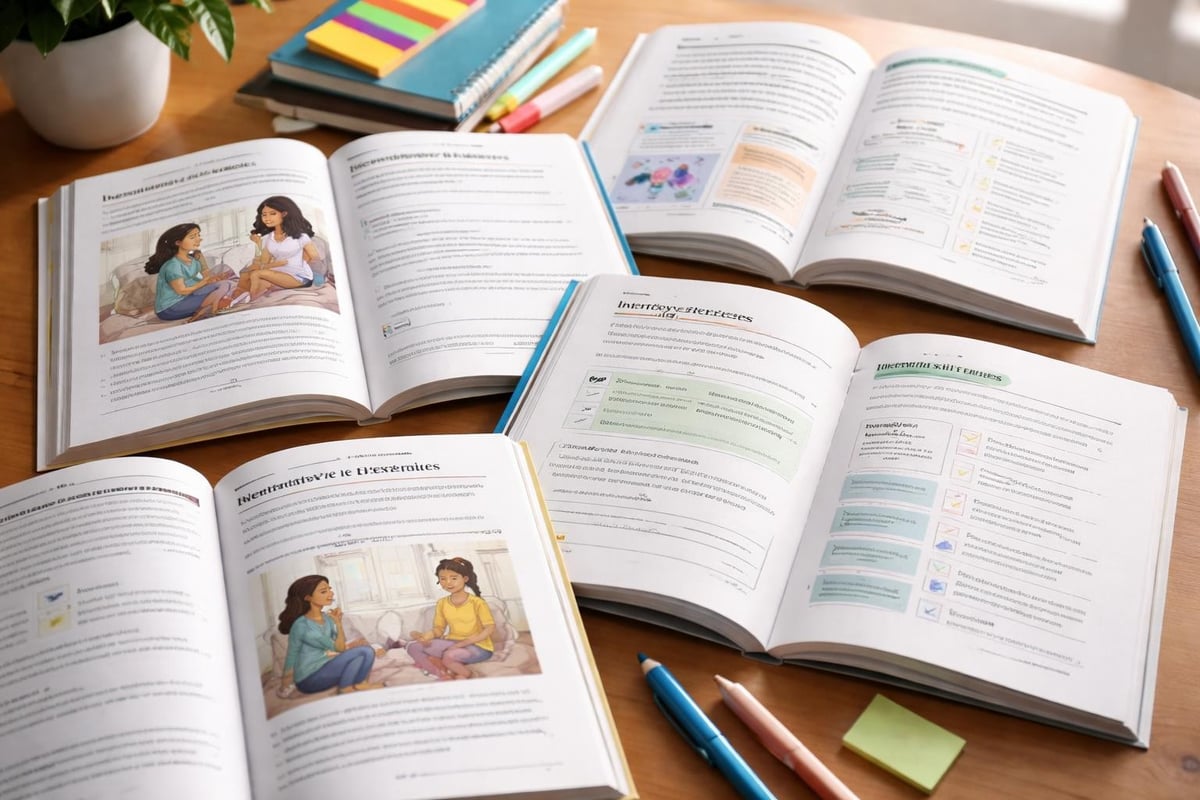
The landscape of support books encompasses various specialized categories, each addressing specific aspects of adolescent development. Understanding these categories helps parents, educators, and teens themselves select the most appropriate resources for particular challenges or growth goals.
| Category | Primary Focus | Target Skills |
|---|---|---|
| Emotional Regulation | Managing feelings and reactions | Self-awareness, coping strategies, stress management |
| Confidence Building | Self-esteem and assertiveness | Positive self-talk, boundary setting, communication |
| Social Skills | Relationships and interaction | Empathy, conflict resolution, friendship maintenance |
| Life Planning | Future preparation and goals | Decision-making, financial literacy, career exploration |
Emotional Wellness and Mental Health Resources
Support books focused on emotional wellness provide critical tools for teens struggling with anxiety, depression, or overwhelming feelings. These resources teach adolescents to recognize emotional patterns, understand triggers, and implement healthy coping mechanisms before challenges escalate. The teen mental health bundle approach offers comprehensive coverage of these essential topics.
Mental health support books distinguish themselves by normalizing emotional struggles while providing concrete action steps. They help teens understand that experiencing difficult emotions doesn't indicate weakness or failure, but rather represents a normal part of human experience that can be managed effectively with the right tools and strategies.
Building Confidence and Social Competence
Another vital category addresses confidence development and social skill enhancement. These support books tackle issues like social anxiety, peer pressure, and self-image concerns that profoundly impact teenage well-being. They provide frameworks for building authentic self-esteem based on internal values rather than external validation.
Effective confidence-building resources teach teens to challenge negative self-talk, set healthy boundaries, and develop communication skills that serve them in various social contexts. The strategies presented in these books help adolescents navigate complex social dynamics while maintaining their authentic identity and personal values.
Selecting the Right Support Books for Individual Needs
Choosing appropriate support books requires careful consideration of individual circumstances, challenges, and learning preferences. Not every resource resonates with every teen, making it essential to match book characteristics with specific needs and personality traits.
Consider these factors when selecting support books:
- Current challenges: Identify the primary issues the teen faces, whether emotional regulation, confidence building, or life skills development
- Reading level and preferences: Match content complexity and presentation style to the teen's abilities and interests
- Learning style: Some teens prefer workbook formats with exercises, while others benefit from narrative-driven approaches
- Cultural relevance: Select materials that reflect the teen's background and experiences for maximum relatability
- Professional recommendations: Consult with therapists, counselors, or educators familiar with quality resources
The most effective approach often involves combining multiple support books that address different aspects of development. A teen struggling with anxiety might benefit from both emotional regulation resources and confidence-building materials, as these areas frequently interconnect and influence one another.
Age-Appropriate Content Selection
Support books designed for younger teens (ages 12-14) typically feature more structured guidance, concrete examples, and step-by-step instructions. As adolescents mature, they benefit from resources that encourage deeper reflection, nuanced thinking, and more sophisticated problem-solving approaches. Understanding these developmental differences ensures teens receive appropriately challenging content that promotes growth without causing frustration.
Maximizing the Impact of Support Books
Simply providing support books doesn't guarantee positive outcomes. The way these resources are introduced, utilized, and reinforced significantly influences their effectiveness in promoting lasting change and skill development.
Parents and educators play crucial roles in helping teens extract maximum value from support books. Creating supportive environments where adolescents feel comfortable discussing concepts, asking questions, and practicing new skills amplifies the impact of written materials. Regular check-ins about progress and challenges help maintain momentum and address obstacles as they arise.

Creating Consistent Reading Routines
Establishing regular time for engaging with support books helps teens internalize lessons and build sustainable habits. Short, consistent sessions typically produce better results than sporadic, lengthy reading periods. Even 15-20 minutes daily creates opportunities for reflection and skill practice that accumulate into significant growth over time.
Integration with existing routines makes consistency more achievable. Connecting support book time with established activities like bedtime preparation or after-school snacks helps cement the practice as a natural part of daily life rather than an additional burden on already busy schedules.
Encouraging Active Engagement
Passive reading provides minimal benefit compared to active engagement strategies:
- Completing all exercises and worksheets included in the book
- Journaling about personal applications and insights
- Discussing concepts with trusted adults or peers
- Setting specific goals based on book recommendations
- Tracking progress and celebrating small victories
Active engagement transforms abstract concepts into practical tools that teens can deploy in real-world situations. When adolescents practice techniques from support books in low-stakes environments, they build confidence for applying these skills during challenging moments.
Integration with Professional Support and Education
Support books complement but don't replace professional mental health care when serious concerns exist. These resources work most effectively as part of comprehensive support systems that may include therapy, school counseling, and family communication. For teens dealing with mental illness, professional guidance remains essential alongside self-help materials.
Therapists and counselors often recommend specific support books as homework between sessions, using these materials to reinforce concepts discussed during appointments. This integration extends therapeutic benefits beyond limited session time and gives teens tools they can access independently when challenges arise between meetings.
Collaboration Between Parents and Educators
Schools increasingly recognize the value of incorporating support books into broader educational programs. Health classes, advisory periods, and guidance counseling sessions provide natural opportunities for introducing these resources and facilitating group discussions about content. This collaborative approach normalizes seeking help and using structured resources for personal development.
Parents benefit from familiarity with the same support books their teens use, enabling more informed conversations about challenges and growth. Reading alongside adolescents, even different sections of the same book, demonstrates commitment to mutual understanding and creates shared vocabulary for discussing sensitive topics.
Measuring Progress and Adapting Approaches
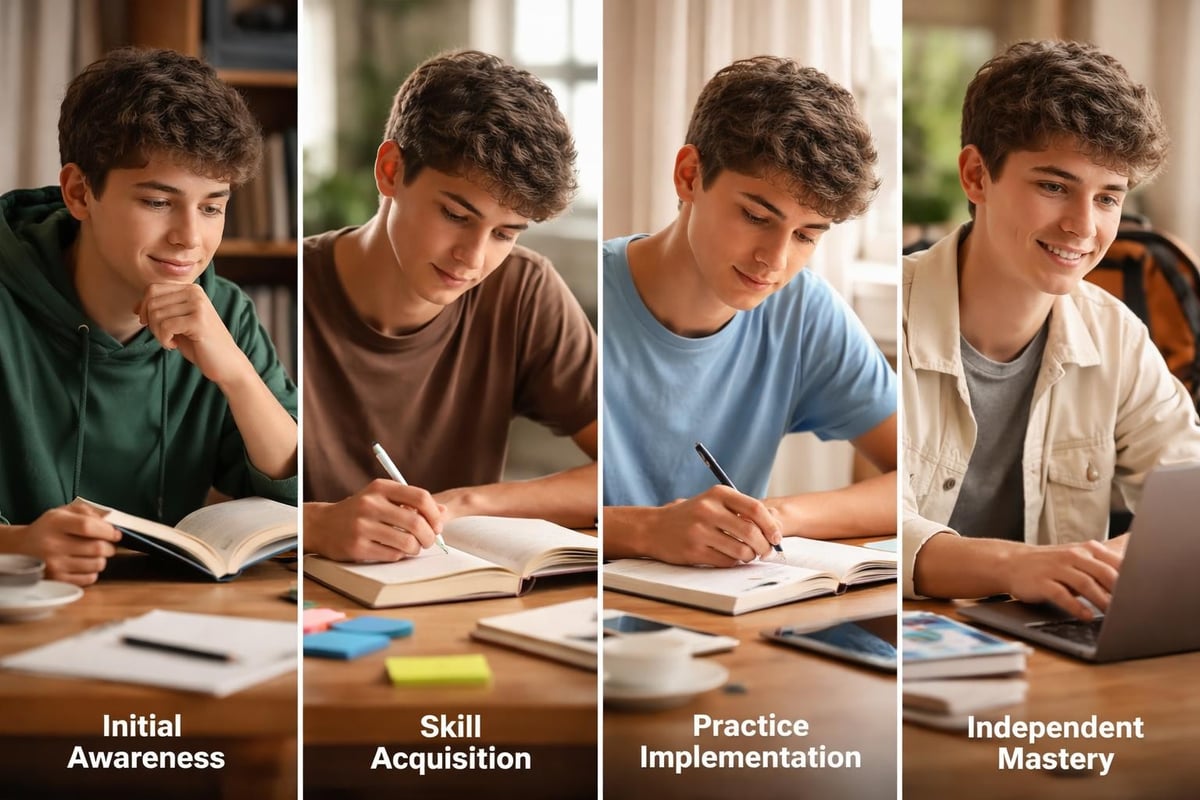
Evaluating the effectiveness of support books involves observing behavioral changes, emotional regulation improvements, and skill development rather than traditional academic metrics. Progress often appears gradually and may include setbacks alongside advances, reflecting the nonlinear nature of personal growth.
| Progress Indicator | Observable Changes | Timeline Expectations |
|---|---|---|
| Emotional Awareness | Recognizing and naming feelings accurately | 2-4 weeks |
| Coping Skills | Using healthy strategies during stress | 4-8 weeks |
| Confidence Growth | Taking appropriate social risks | 8-12 weeks |
| Habit Formation | Consistent application of new behaviors | 12+ weeks |
Regular assessment helps identify whether current support books effectively address teen needs or if different resources might prove more beneficial. Flexibility in approach acknowledges that adolescent challenges evolve, requiring adjusted strategies and materials as circumstances change.
Signs That Support Books Are Making an Impact
Positive indicators include teens voluntarily discussing book content, applying techniques without prompting, or requesting additional related resources. Increased willingness to communicate about emotions and challenges often signals that support books have created frameworks for self-understanding and expression that previously didn't exist.
Sometimes progress manifests as subtle shifts in perspective or vocabulary rather than dramatic behavioral changes. A teen who begins questioning negative thought patterns or recognizing emotional triggers demonstrates critical development even before implementing comprehensive coping strategies.
Specialized Support Books for Unique Circumstances
Certain life transitions and circumstances require targeted support books addressing specific situations. Resources for major changes like moving, family transitions, grief, or identity exploration provide guidance tailored to these particular challenges rather than general developmental concerns.
The puberty confidence kit exemplifies how specialized support books address distinct developmental phases with content specifically designed for those experiences. Similarly, resources focused on financial literacy, career planning, or values development serve teens approaching different life stages or facing specific decisions.
Faith-based support books offer another specialized category for families wanting resources aligned with religious values and beliefs. These materials integrate spiritual perspectives with practical skill development, appealing to teens whose identity and worldview incorporate religious frameworks. The faith values pack demonstrates this integrated approach to teen development.
Cultural and Identity-Specific Resources
Support books acknowledging diverse cultural backgrounds, gender identities, and family structures create more inclusive learning environments. Teens who see their experiences reflected in materials engage more deeply and extract greater value from content that respects their unique perspectives and challenges.
The expanding availability of culturally responsive support books represents significant progress in addressing diverse adolescent needs. These resources validate varied experiences while providing universally applicable skills and strategies that benefit all teens regardless of background.
Future Directions in Support Books for Teens
The landscape of support books continues evolving alongside changes in teen culture, technology, and mental health awareness. Digital formats, interactive elements, and multimedia components increasingly supplement traditional printed materials, offering varied engagement methods for different learning preferences.
However, the core purpose remains constant: providing accessible, evidence-based tools that empower teens to navigate challenges, build resilience, and develop essential life skills. Quality support books balance timeless developmental principles with contemporary contexts that reflect current teenage realities.
Emerging trends in support book development include:
- Integration of mindfulness and meditation practices
- Increased focus on digital wellness and social media navigation
- Greater emphasis on intersectionality and diverse experiences
- Incorporation of neuroscience research about adolescent brain development
- Enhanced accessibility features for teens with learning differences
These innovations expand the reach and effectiveness of support books while maintaining focus on fundamental developmental needs that transcend technological changes and cultural shifts.
The Role of Community in Supporting Teen Growth
Support books work most effectively within broader communities committed to adolescent wellbeing. Parents, educators, therapists, and peers all contribute to creating environments where teens feel safe exploring new skills and perspectives introduced through these resources.
Community support reinforces lessons from support books and provides real-world opportunities for practicing new behaviors. When multiple adults in a teen's life understand and encourage the same developmental goals, consistency amplifies impact and accelerates growth. Building these supportive networks requires intentional communication and shared commitment to adolescent success.
Support books provide invaluable frameworks for teenage development, offering structured guidance through one of life's most challenging periods. By selecting appropriate resources, encouraging consistent engagement, and integrating materials with broader support systems, parents and educators can maximize the transformative potential of these specialized guides. Emmadavisbooks.com specializes in creating comprehensive support books and toolkits designed specifically for teenagers, offering practical strategies and proven techniques that help adolescents build confidence, manage emotions, and develop essential life skills. Explore our resources to find the perfect materials for supporting the teens in your life through their unique journey toward resilience and strength.