


The Emotions Book: A Teen's Guide to Understanding Feelings
Understanding and managing emotions represents one of the most significant challenges teenagers face during adolescence. The emotions book serves as a critical resource for young people learning to navigate the complex landscape of their inner world. As hormonal changes, social pressures, and personal development intersect during the teenage years, having a structured guide to emotional literacy becomes essential for building resilience and self-awareness. This specialized type of resource provides teenagers with the vocabulary, frameworks, and practical strategies needed to identify what they're feeling, understand why those feelings arise, and develop healthy responses that support their well-being.
Understanding the Purpose of an Emotions Book
The emotions book functions as more than a simple dictionary of feelings. These resources combine psychological research, practical exercises, and relatable examples to help teenagers develop emotional intelligence systematically. Research from leading experts in the Handbook of Emotions demonstrates that emotional awareness forms the foundation for mental health, relationship success, and overall life satisfaction.
For teenagers specifically, understanding emotions becomes particularly important during this developmental stage. The adolescent brain undergoes significant changes, particularly in areas responsible for emotional regulation and decision-making. An effective emotions book acknowledges these neurological realities while providing age-appropriate strategies that teens can implement immediately.
Key purposes these resources serve include:
- Building vocabulary to accurately name and describe emotional experiences
- Teaching the connection between thoughts, feelings, and behaviors
- Providing coping strategies for overwhelming emotions
- Normalizing the full range of human emotional experiences
- Reducing shame around difficult feelings
The most valuable aspect of the emotions book lies in its ability to validate teenage experiences while offering practical pathways forward. Unlike general self-help literature, these specialized resources speak directly to the unique challenges adolescents face.

Core Components of Effective Emotional Education
A comprehensive emotions book typically structures its content around several foundational elements. These components work together to create a complete learning experience that moves beyond surface-level understanding.
Emotion Identification and Classification
The first essential component involves teaching teenagers how to recognize and categorize their emotions accurately. Many adolescents struggle with emotional granularity, using broad terms like "fine" or "stressed" to describe complex internal states. The emotions book addresses this limitation by introducing a rich emotional vocabulary.
Similar to how Brené Brown's Atlas of the Heart organizes emotions into distinct categories, teen-focused resources break down feelings into manageable groups. This organization helps young people understand that emotions exist on spectrums and often appear in clusters rather than isolation.
| Emotion Category | Examples | Common Triggers for Teens |
|---|---|---|
| Anger Family | Frustration, irritation, rage, resentment | Feeling misunderstood, injustice, restrictions |
| Anxiety Family | Worry, nervousness, panic, dread | Tests, social situations, future uncertainty |
| Sadness Family | Disappointment, grief, loneliness, despair | Rejection, loss, disconnection |
| Joy Family | Contentment, excitement, gratitude, pride | Achievement, connection, freedom |
Physiological Awareness Training
Understanding the physical manifestations of emotions represents another critical component. The emotions book teaches teenagers to recognize how different feelings show up in their bodies. This awareness becomes particularly valuable when emotions feel overwhelming or confusing.
Teens learn to identify signals such as:
- Increased heart rate accompanying anxiety or excitement
- Muscle tension associated with anger or stress
- Heaviness or fatigue linked to sadness or depression
- Energy surges connected to joy or motivation
By developing this mind-body connection, adolescents gain earlier warning signs when emotions begin escalating. This early recognition creates opportunities for intervention before feelings become unmanageable.
Practical Regulation Strategies
The most actionable section of any emotions book focuses on regulation techniques. These strategies give teenagers concrete tools they can use when experiencing difficult emotions. Resources designed for managing teen emotions and mental health emphasize approaches that fit naturally into adolescent lifestyles.
Evidence-based strategies typically include:
- Breathing exercises tailored for quick use between classes or during stressful moments
- Grounding techniques that redirect attention during anxiety or panic
- Journaling prompts that process complex feelings through writing
- Movement-based release for anger or restless energy
- Social connection strategies for loneliness or isolation
- Reframing techniques that challenge unhelpful thought patterns
The emotions book distinguishes healthy coping mechanisms from avoidance behaviors. Teenagers learn the difference between processing emotions and suppressing them, understanding that temporary distraction differs significantly from long-term avoidance.
Building Emotional Intelligence Through Self-Reflection
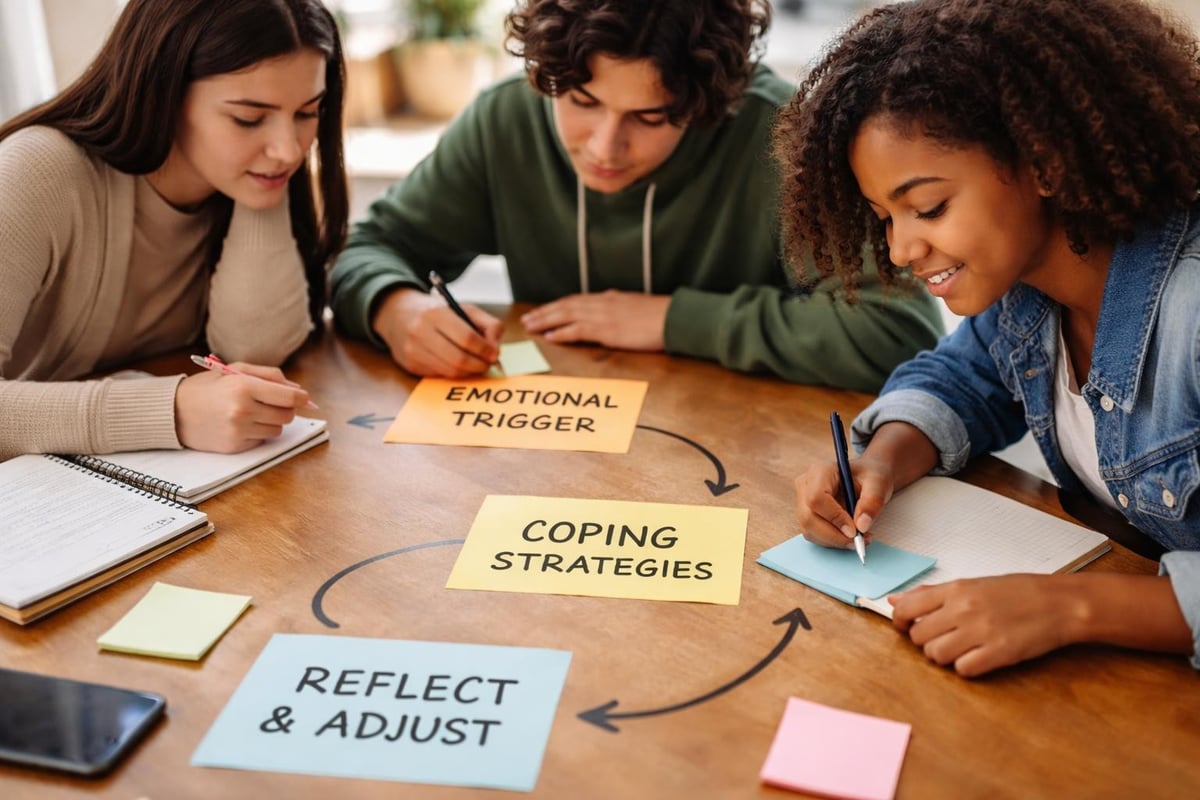
Self-reflection exercises form the backbone of lasting emotional growth. The emotions book typically incorporates various reflective activities that encourage teenagers to examine their emotional patterns over time. These exercises move beyond one-time reading into ongoing practice.
Effective self-reflection activities include emotion tracking logs where teens record daily emotional experiences, identifying patterns and triggers. These logs reveal connections that might not be obvious in the moment. For instance, a teenager might discover that Sunday evenings consistently trigger anxiety about the upcoming school week, or that certain friendships reliably drain their energy.
Another powerful reflective tool involves scenario analysis. The emotions book presents common teenage situations and guides readers through examining the emotional responses these scenarios might trigger. This anticipatory practice builds emotional preparedness for real-life challenges.
Sample reflection questions might explore:
- What situation triggered this emotional response?
- What thoughts were running through my mind?
- How did my body feel during this emotion?
- What action did I take in response?
- Would I choose the same response again?
- What might I do differently next time?
This structured reflection process helps teenagers develop metacognition about their emotional lives. Rather than being swept along by feelings, they learn to observe their experiences with curiosity and understanding. Resources focused on books about mental illness often emphasize this observational stance as crucial for mental health maintenance.
Addressing Common Teenage Emotional Challenges
The emotions book proves most valuable when it addresses the specific emotional challenges teenagers regularly encounter. Generic emotional education falls short if it doesn't connect with adolescent realities.
Social Emotions and Peer Relationships
Social emotions dominate the teenage experience. The emotions book dedicates significant attention to feelings arising from peer interactions, including jealousy when friends spend time with others, embarrassment after social mistakes, and the complex emotions surrounding romantic interests.
These resources help teens understand that social emotions serve evolutionary purposes. Feeling excluded triggers discomfort because humans are fundamentally social creatures who historically relied on group belonging for survival. Normalizing these feelings while teaching healthy responses creates balanced social-emotional development.
Academic and Performance Pressure
Test anxiety, fear of failure, and stress about college admissions represent significant emotional burdens for modern teenagers. The emotions book provides specific strategies for managing performance-related emotions without dismissing the real pressures teens face.
Effective approaches distinguish between productive stress that motivates action and counterproductive anxiety that impairs performance. Teenagers learn to channel nervous energy constructively while recognizing when pressure exceeds healthy limits and requires additional support.
Identity and Self-Concept Emotions
Adolescence involves intense identity exploration, generating emotions around self-worth, authenticity, and personal values. The emotions book validates the confusion many teens feel about who they are and who they want to become.
Resources exploring books on confidence often intersect with emotional education, as self-assurance develops partly through understanding and accepting one's emotional nature. Teens learn that having doubts about identity doesn't indicate weakness but represents normal development.
The Science Behind Emotional Literacy
Understanding the research foundation strengthens the emotions book's credibility with both teenagers and the adults supporting them. Academic work compiled in resources like the Handbook of Emotions provides evidence that emotional education yields measurable benefits.
Studies consistently demonstrate that teenagers with higher emotional intelligence experience:
- Improved academic performance through better stress management
- Stronger peer relationships built on empathy and communication
- Lower rates of depression and anxiety disorders
- Enhanced decision-making abilities in high-pressure situations
- Greater resilience when facing challenges or setbacks
The neuroscience of adolescent emotional development reveals why the emotions book matters particularly during these years. The prefrontal cortex, responsible for emotional regulation and impulse control, continues developing through the mid-twenties. However, the limbic system, which generates emotional responses, reaches full development earlier. This mismatch explains why teenagers feel emotions intensely while sometimes struggling to manage them effectively.
Educational interventions during this window of development create lasting neural pathways. The emotions book essentially provides training during the optimal period for establishing healthy emotional habits. Practical exercises repeated over time strengthen regulatory circuits in the developing brain.
Selecting the Right Emotions Book for Teenagers
Not all emotional education resources suit every teenager equally. Several factors determine which emotions book will resonate most effectively with a particular adolescent.
Age Appropriateness and Developmental Stage
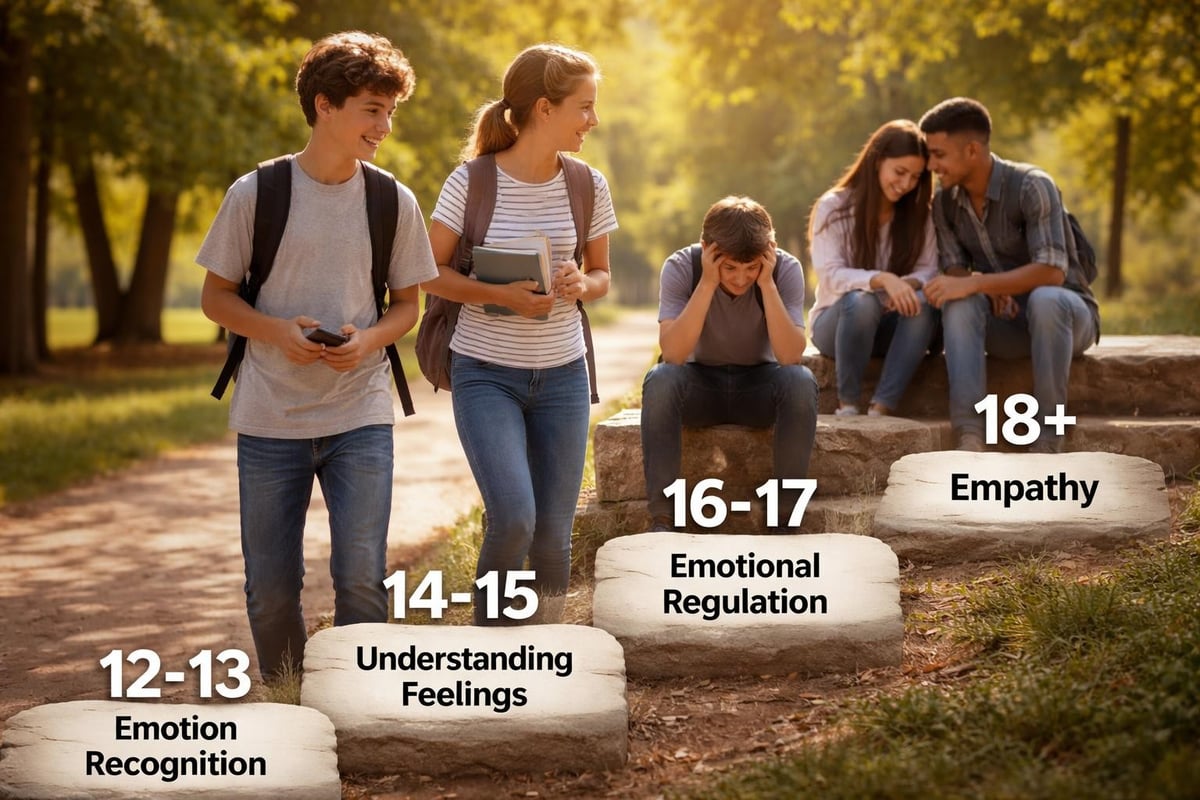
Early teenagers (ages 13-14) typically benefit from more structured guidance with clear examples and straightforward language. Mid-adolescents (ages 15-16) often appreciate deeper psychological concepts and more nuanced discussions. Older teens (ages 17-18) may engage better with resources that acknowledge their approaching adulthood and increasing autonomy.
The emotions book should match not just chronological age but also emotional maturity and current challenges. A teen experiencing significant struggles might need more foundational content regardless of age, while an emotionally aware younger teen might engage with more advanced material.
Format and Engagement Style
Different teenagers respond to various presentation formats. Some prefer workbook-style resources with fill-in exercises and interactive components. Others engage better with narrative approaches that present information through stories and examples.
| Format Type | Best For | Key Features |
|---|---|---|
| Workbook Style | Hands-on learners | Exercises, worksheets, tracking tools |
| Narrative Format | Story-oriented teens | Case studies, examples, relatable scenarios |
| Scientific Approach | Analytically-minded students | Research citations, neuroscience explanations |
| Visual-Heavy | Creative learners | Diagrams, illustrations, infographics |
Collections like mindset books often incorporate multiple formats to reach diverse learning preferences.
Cultural Relevance and Inclusivity
The emotions book should reflect the diversity of teenage experiences. Resources that acknowledge different family structures, cultural backgrounds, gender identities, and personal challenges create more inclusive learning environments. Teenagers need to see their own experiences reflected while also building empathy for peers with different backgrounds.
Integrating Emotional Learning Into Daily Life
The true value of the emotions book emerges when teenagers integrate its lessons into daily practice. Knowledge alone doesn't transform emotional experiences; consistent application creates lasting change.
Creating Regular Check-In Routines
Successful emotional development requires regular attention. Teenagers benefit from establishing daily or weekly emotional check-ins where they assess their overall well-being, identify predominant feelings, and consider whether adjustments might improve their emotional health.
These check-ins might occur:
- Each morning to set emotional intentions for the day
- Before bed to process the day's emotional experiences
- Weekly during a designated reflection time
- When noticing emotional discomfort or distress
The emotions book often provides structured formats for these check-ins, preventing them from feeling overwhelming or time-consuming. Simple rating scales, brief journaling prompts, or quick body scans create manageable routines.
Building Support Networks
Emotional literacy develops most effectively within supportive relationships. The emotions book encourages teenagers to identify trusted adults and peers with whom they can discuss feelings openly. These conversations normalize emotional experiences and provide opportunities for guidance.
Parents, educators, and therapists using resources from Emmadavisbooks.com can create environments where emotional discussions feel safe and valued. When adults model healthy emotional expression and validate teenage feelings without judgment, adolescents more readily apply the concepts they're learning.
Applying Skills in Real-Time Challenges
The transition from understanding concepts to applying them during actual emotional moments represents the most challenging aspect of emotional education. The emotions book should bridge this gap by providing quick-reference tools teenagers can access when experiencing difficult emotions.
Effective quick-reference tools include bookmark-sized coping strategy cards, phone-friendly breathing exercise guides, and simple decision trees that help teens choose appropriate responses based on their current emotional state and situation.
Long-Term Benefits of Emotional Education
Investing time in emotional learning during adolescence creates benefits that extend far beyond the teenage years. The skills developed through the emotions book form a foundation for adult emotional health and relationship success.
Research tracking individuals who received emotional education during adolescence reveals significant advantages in multiple life domains. These individuals report higher life satisfaction, more stable relationships, and better career outcomes compared to peers without such training. The ability to understand and manage emotions proves crucial for navigating workplace dynamics, maintaining partnerships, and parenting future generations.
Long-term advantages include:
- Enhanced relationship quality through better communication and empathy
- Improved conflict resolution skills in professional and personal contexts
- Greater stress resilience during major life transitions
- Reduced risk of mental health challenges in adulthood
- Stronger sense of self-awareness and personal authenticity
The investment teenagers make in understanding their emotional world pays dividends throughout their entire lives. Resources designed for the best books for teens recognize this long-term perspective while remaining relevant to immediate adolescent concerns.
Supporting Teenagers in Their Emotional Journey
Adults play crucial roles in supporting teenage emotional development. While the emotions book provides valuable information and tools, the surrounding environment significantly influences how effectively teens can apply these lessons.
Parents and educators can support emotional learning by creating spaces where all feelings are welcomed without judgment. This doesn't mean accepting all behaviors, but rather acknowledging that all emotions are valid while some behavioral responses require adjustment. When teenagers feel safe expressing difficult emotions like anger, sadness, or fear, they're more likely to process these feelings healthily rather than suppressing or acting out.
Modeling emotional intelligence demonstrates its practical application. Adults who name their own feelings, employ coping strategies visibly, and discuss emotional challenges appropriately show teenagers that emotional work continues throughout life. This normalization reduces the pressure teens might feel to achieve perfect emotional control immediately.
Professional support complements self-directed learning from the emotions book when teenagers face significant emotional challenges. Therapists and counselors use many of the same concepts while providing personalized guidance for complex situations. Recognizing when additional support would benefit a teenager demonstrates emotional wisdom rather than weakness.
Developing emotional literacy during adolescence equips teenagers with essential life skills that support mental health, relationships, and personal growth. The emotions book serves as a practical guide through this developmental journey, offering teenagers the vocabulary, understanding, and strategies needed to navigate their inner world with confidence and resilience. When you're ready to support the teenagers in your life with comprehensive resources for emotional development, Emmadavisbooks.com offers carefully designed materials that combine research-backed approaches with teen-friendly formats to build lasting emotional intelligence and life skills.